
Postcolonial Literatures
The empire writes back: Achebe, Rushdie, and the remaking of English-language fiction.
Things Fall Apart (1958) answered a century of colonial fiction by telling the colonized world's story from inside, in an English bent to Igbo cadences. What followed was a remapping: Ngũgĩ writing in Gikuyu as an act of decolonization, Naipaul's unsparing diasporic ironies, Rushdie's chutnified epics of India.
More argument than school, postcolonial writing turns on shared questions: whose language, whose history, what home? Its second and third generations (Adichie, Roy, Hamid) inherit the questions with new confidence. Much of the best English-language fiction of the past fifty years lives here.
How to spot it on the page
- English bent and reseasoned with local rhythm, proverb, and untranslated words
- A village or nation's oral history reclaimed as the novel's true source material
- Colonial records and reports quoted, then dismantled from inside the same book
- Migration and diaspora narrated as a permanent, unresolved condition
- Multiple generations tracking a nation's independence and its disappointments
- Comic irony aimed at both the colonizer and the newly empowered elite
What it left behind
There's no clean end date: the questions of language, land, and inheritance Achebe opened in 1958 are still the live argument of the field, just carried now by writers like Adichie, Hamid, and Roy's heirs, who take the postcolonial novel's existence as a given rather than a fight. Its real legacy is a permanently expanded idea of whose English, and whose history, counts as literature.
Defining works
For a guided order with notes, follow the reading path →
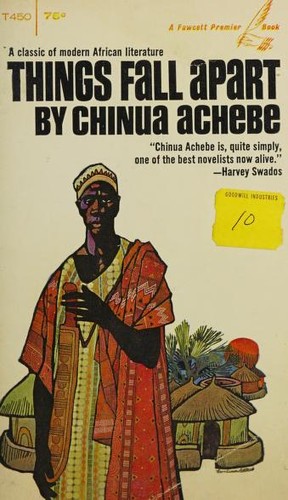
Chinua Achebe · 1958
Okonkwo's rise and ruin as the missionaries arrive: an Igbo world rendered whole from inside, in English bent to its proverbs. The founding text of modern African literature; twenty million copies and counting.
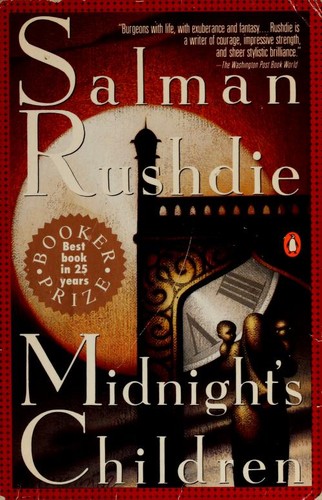
Salman Rushdie · 1981
Saleem Sinai, born at the stroke of India's independence, telepathically bound to his thousand and one midnight twins. It won the Booker of Bookers: magical realism wired to the subcontinent, and the English novel permanently rewired.
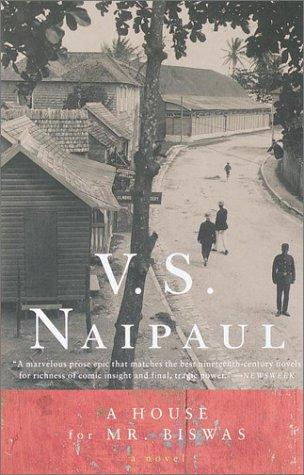
V. S. Naipaul · 1961
Mohun Biswas, born unlucky in colonial Trinidad, wants one thing: a house of his own. Comic, exasperating, and finally heartbreaking: the Caribbean's great novel, built from Naipaul's father's life.
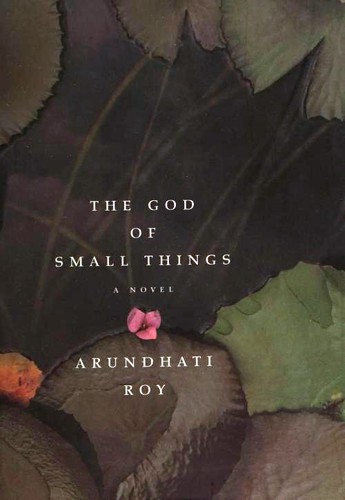
Arundhati Roy · 1997
Twins in Kerala, a drowned cousin, and a forbidden love punished by the 'Love Laws', told in backwards loops and invented words. A Booker-winning debut of ferocious originality; caste as the machinery of heartbreak.
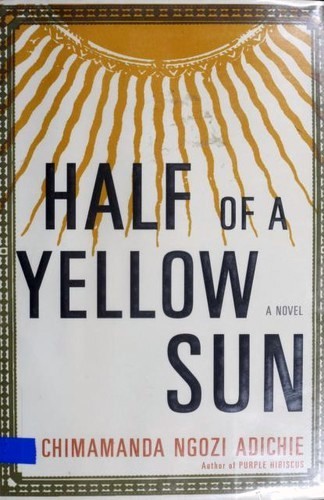
Chimamanda Ngozi Adichie · 2006
Twin sisters, a houseboy, and an English writer swept into the Biafran war: the conflict Nigeria wouldn't discuss, given its definitive novel by a writer born after it ended. The Orange Prize's 'winner of winners.'
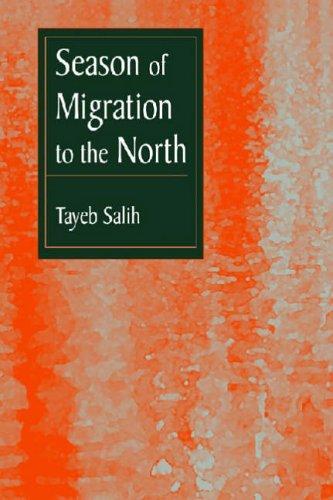
Tayeb Salih · 1966
A Sudanese scholar returns to his Nile village and meets Mustafa Sa'eed, whose London career was an erotic campaign of reverse colonization. Named the most important Arabic novel of the twentieth century: Conrad answered, shore for shore.
Authors of this movement
 1903–1988Alan PatonSouth Africastart with Cry, the Beloved Country
 1905–2004Mulk Raj AnandIndiastart with Untouchable
 1906–2001R. K. NarayanIndiastart with The Guide
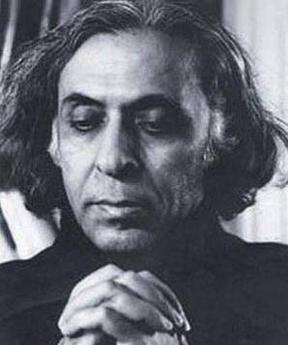 1908–2006Raja RaoIndiastart with Kanthapura
 1912–1990Patrick WhiteAustraliastart with Voss
 1923–2014Nadine GordimerSouth Africastart with July's People1925–2016Intizar HusainPakistanstart with Basti
 1925–2006Pramoedya Ananta ToerIndonesiastart with This Earth of Mankind
 1926–2016Mahasweta DeviIndiastart with Mother of 1084
 1927–2007Qurratulain HyderIndia / Pakistanstart with River of Fire
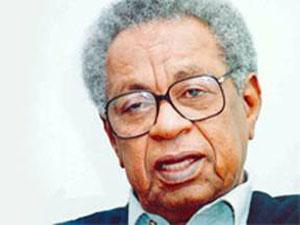 1929–2009Tayeb SalihSudanstart with Season of Migration to the North
 1929–1981Mariama BâSenegalstart with So Long a Letter
 1930–2005O. V. VijayanIndia (Kerala)start with The Legends of Khasak
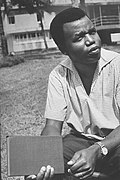 1930–2013Chinua AchebeNigeriastart with Things Fall Apart
 1932–2018V. S. NaipaulTrinidad / Englandstart with A House for Mr Biswas
 1932–2014U. R. AnanthamurthyIndia (Karnataka)start with Samskara
 1935–2015André BrinkSouth Africastart with A Dry White Season
 1936–2015Assia DjebarAlgeriastart with Fantasia: An Algerian Cavalcadeb. 1937Anita DesaiIndiastart with Clear Light of Day
 1937–1986Bessie HeadSouth Africa / Botswanastart with A Question of Power
 1938–2024Bapsi SidhwaPakistan / United Statesstart with Cracking India
 b. 1938Ngũgĩ wa Thiong'oKenyastart with A Grain of Wheat
 b. 1940J. M. CoetzeeSouth Africa / Australiastart with Disgrace
 b. 1943Michael OndaatjeCanada / Sri Lankastart with The English Patient
 b. 1943Peter CareyAustralia / United Statesstart with Oscar and Lucinda
 1944–2017Buchi EmechetaNigeriastart with The Joys of Motherhood
 b. 1945Nuruddin FarahSomaliastart with Maps
 b. 1947Salman RushdieIndia / Englandstart with Midnight's Children
 1947–2021Keri HulmeNew Zealandstart with The Bone People
 b. 1948Banu MushtaqIndia (Karnataka)start with Heart Lamp: Selected Stories
 b. 1948Abdulrazak GurnahTanzania / UKstart with Paradise
 b. 1948Zakes MdaSouth Africastart with Ways of Dying
 b. 1949Jamaica KincaidAntiguastart with Annie John
 b. 1952Vikram SethIndiastart with A Suitable Boyb. 1952Rohinton MistryIndia / Canadastart with A Fine Balance
 b. 1955Mia CoutoMozambiquestart with Sleepwalking Land1956–2019Andrea LevyEnglandstart with Small Island
 b. 1956Amitav GhoshIndiastart with The Shadow Lines
 b. 1957Geetanjali ShreeIndiastart with Tomb of Sand
 b. 1959Ben OkriNigeriastart with The Famished Road
 b. 1959Tsitsi DangarembgaZimbabwestart with Nervous Conditions
 b. 1961Arundhati RoyIndiastart with The God of Small Things
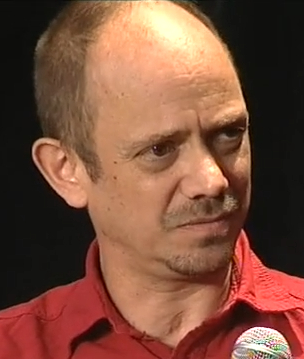 b. 1963Damon GalgutSouth Africastart with The Promise
 b. 1966David DiopFrancestart with At Night All Blood Is Black
 b. 1970Marlon JamesJamaicastart with A Brief History of Seven Killings
 b. 1971Kiran DesaiIndia / United Statesstart with The Inheritance of Lossb. 1974Aravind AdigaIndiastart with The White Tiger
 b. 1975Shehan KarunatilakaSri Lankastart with The Seven Moons of Maali Almeida
 b. 1977Chimamanda Ngozi AdichieNigeriastart with Half of a Yellow Sun