
Argentine Fantastic & Metafiction
Borges, Bioy Casares, and Ocampo invent the fantastic; Piglia, Saer, and Aira turn its games toward politics and theory.
The movement's founders met in 1940s Buenos Aires around the journal Sur: Bioy Casares's The Invention of Morel (1940) built a mystery-machine island that endlessly replays its own dead visitors, and Borges's Ficciones (1944) turned the footnote, the labyrinth, and the invented book into philosophy's own working toolkit. Silvina Ocampo, married to Bioy and Borges's frequent collaborator, brought a crueler, more domestic strangeness to the same circle. Together they staked Argentine fiction's founding wager: the impossible object, treated with total logical rigor, could out-argue any realist novel.
Three decades on, a second generation redirected the same machinery toward the world outside the library. Piglia's Artificial Respiration braids detective plot, dictatorship, and literary theory into an argument about how fiction speaks under censorship; Saer's The Witness turns the founders' rigor toward memory and perception. César Aira took the lineage furthest, writing brief, unrevised novels at the speed of pure improvisation, 'the flight forward': the founders' game become their heirs' politics.
How to spot it on the page
- The impossible object (a duplicating island, an infinite library, a forged author) treated with total logical rigor
- Footnotes, invented books, and fake scholarship staged as if genuinely real
- A detective or investigative plot used as camouflage for an argument about dictatorship and censorship
- Literary theory and criticism smuggled directly into the fictional dialogue
- Perception and memory interrogated with near-philosophical, essayistic rigor
- Short novels written at deliberate speed, digressions left in rather than revised out
What it left behind
Borges, Bioy Casares, and Ocampo's 1940s Sur circle proved the impossible object could carry philosophy's full weight, and Argentine fiction never really left that premise. Piglia's dictatorship-era danger and Aira's unrevised 'flight forward' both extended the founders' rigor into politics and speed rather than abandoning it; the lineage's real inheritance is permission, that rigor and invention need no realist alibi.
Defining works
For a guided order with notes, follow the reading path →
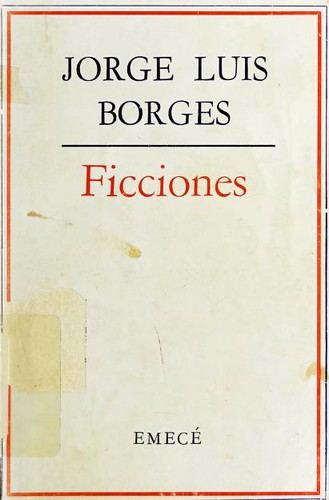
Jorge Luis Borges · 1944
The Library of Babel, forking paths, Pierre Menard rewriting Quixote word for word; seventeen miniature infinities. The most influential story collection of the century: world fiction's geometry redrawn in under two hundred pages.
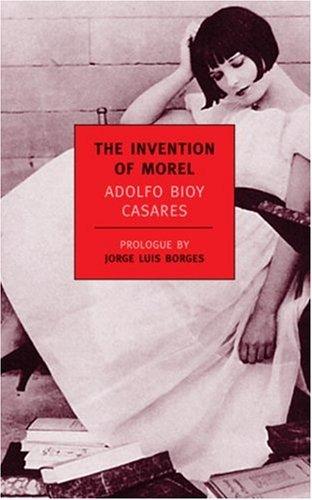
Adolfo Bioy Casares · 1940
A fugitive hiding on a deserted island grows obsessed with a woman who appears each evening among visitors who never seem to notice him, and starts to suspect the island itself is not what it seems. Bioy's perfect metaphysical fantasy about image, love, and immortality: virtual reality imagined in 1940.
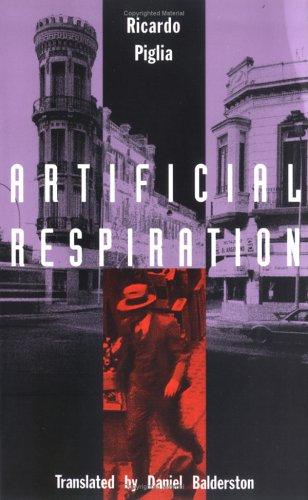
Ricardo Piglia · 1980
A missing-persons search unfolds through letters, literary theory, and the unspoken shadow of Argentina's dictatorship. A novel about what fiction can still say when the state is listening, written and published under censorship.
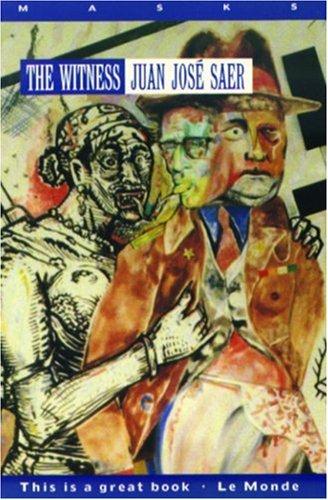
Juan José Saer · 1983
The sole survivor of a massacred sixteenth-century Spanish expedition is adopted, then returned, by an Indigenous tribe whose worldview he can never fully translate. Saer treats memory and perception with near-philosophical rigor.
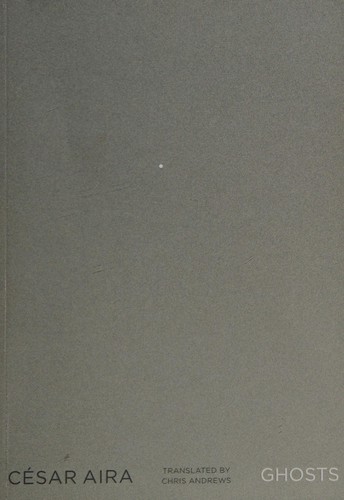
César Aira · 1990
A family of construction-site watchmen live alongside ghosts wandering the unfinished building's bare floors on New Year's Eve. Aira's mundane and impossible occupy the same flat, unhurried plane, written at his characteristic breakneck speed.
Authors of this movement
 1899–1986Jorge Luis BorgesArgentinastart with Ficciones
 1903–1993Silvina OcampoArgentinastart with Thus Were Their Faces
 1914–1999Adolfo Bioy CasaresArgentinastart with The Invention of Morel
 1937–2005Juan José SaerArgentinastart with The Witness
 1941–2017Ricardo PigliaArgentinastart with Artificial Respiration
 b. 1949César AiraArgentinastart with Ghosts