
Curated journeys
Reading paths
99 hand-ordered routes through the atlas, five to eight books apiece: 25 curated themes, 12 walks through an era, and 58 walks through a movement, each sequenced so one book sets up the next.
Start to finish
The Classics Curriculum
Four levels for getting into the classics: begin with the most readable, best-loved entry points and work up to the summit, one level at a time.
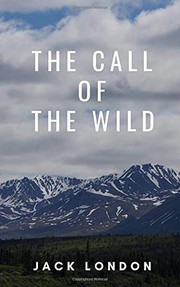
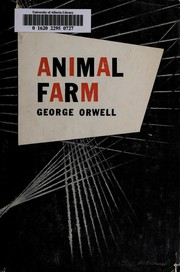
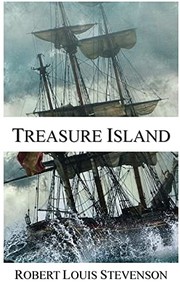
The Gateway
Six famous, fast, genuinely fun books: no homework feeling allowed.
6 stepsLevel 2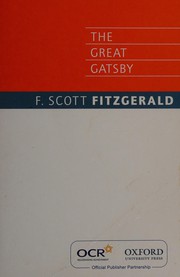
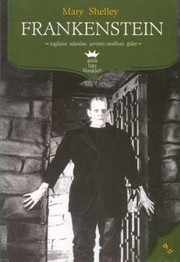
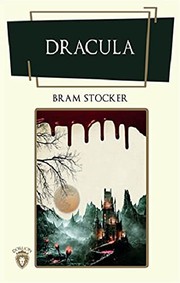
Comfortably Challenging
Longer, darker, a little stranger: still built to keep you turning pages.
7 stepsLevel 3

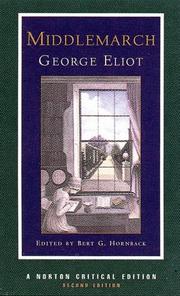
The Big Canonical Novels
The books people mean when they say 'the great novels': bigger casts, bigger ideas, still a pleasure.
7 stepsLevel 4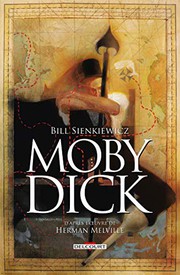
The Summit
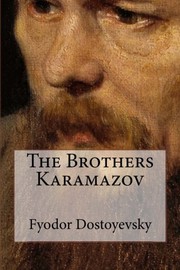
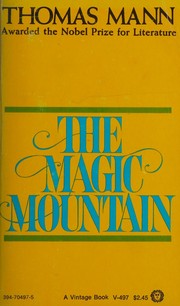
The whales you've heard about your whole life: still novels, still enjoyable, still worth the climb.
6 stepsHand-picked
Themes
A mode, a mood, or an argument, traced across authors, regions, and centuries.
Into Magical Realism
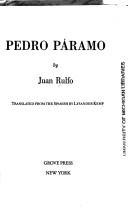
Where the ordinary and the impossible share a kitchen table.
6 steps
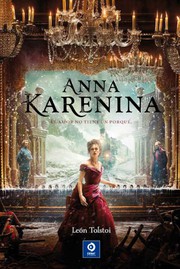
The Russian Soul
Guilt, God, and the family dinner table, from Turgenev to the gulag.
6 steps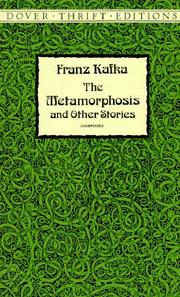
Modernism Without Fear
The hard stuff, ordered so the hardest comes last.
6 steps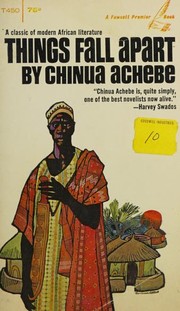
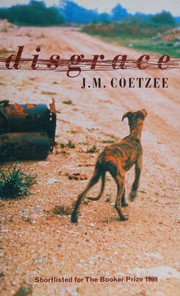
The Global Postcolonial Novel
Empire's aftermath, told from Lagos to Kerala.
6 steps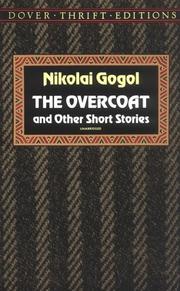
Short and Stunning
Six masterpieces you can finish in a weekend.
6 steps
Autofiction and the I
When the novelist stops inventing and starts confessing.
6 steps
The Twentieth-Century Dystopia
Six ways the future goes wrong, from surveillance to sterility.
6 steps
Crime and Conscience
Six murders, six very different reasons to lose sleep.
6 steps
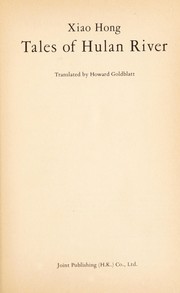
The East Asian Century
A hundred years of Japan, China, and Korea rebuilding the novel from the inside.
7 steps
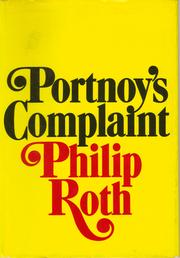
The Comic Novel
Four centuries of laughing at ourselves in print.
7 steps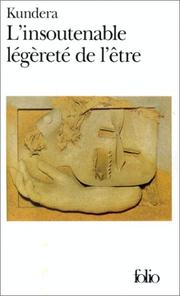
Fiction That Thinks
Novels that stop to argue with themselves, and never really apologize for it.
7 steps
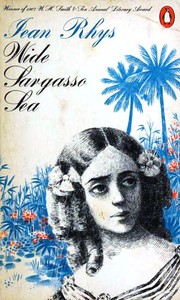
Consciousness on the Page
The plot is what happens inside a woman's head.
6 steps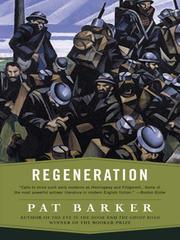
The War Novel
Combat is the easy part; the aftermath is the whole book.
7 steps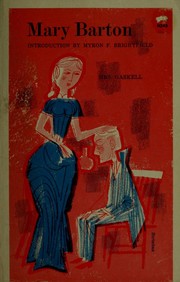
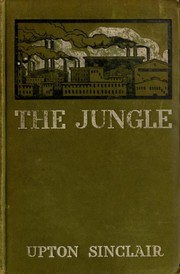
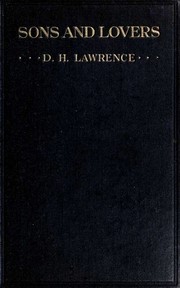
The Working-Class Novel
Fiction from the mill floor, the picket line, and the empty larder.
6 steps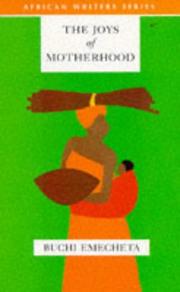
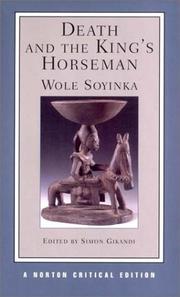
Africa After Empire
Independence didn't end the argument; it just changed who was having it.
7 steps
The Epic Line
Four thousand years of poets trying to fit the whole world in one poem.
8 steps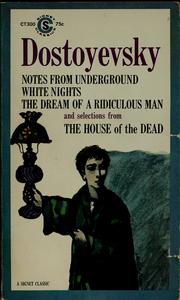
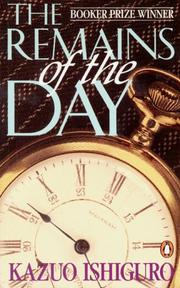
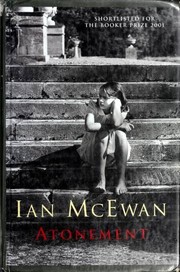
The Unreliable Narrator
Every narrator here is lying to you. Some of them know it.
5 steps
One Wild Day
Twenty-four hours, no cuts.
5 steps
The Double
There are two of you, and the other one is up to something.
5 steps
Ghosts and Hauntings
The dead have notes, and they will be giving them.
6 steps
The Sea Novel
The sea doesn't care about you, which is exactly why writers can't leave it alone.
6 steps
Cities as Characters
Seven novels where the real protagonist has a population in the millions.
7 steps
Love and Ruin
Great love stories, guaranteed to end badly.
5 steps
Fools and Tricksters
Half these characters are smarter than everyone else; the other half are holier.
6 steps
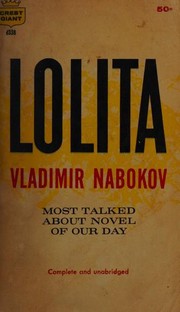
Banned and Burned
Every book here was once a crime to print, sell, or write.
6 stepsChronological
Walk an era
One representative route through each era, oldest to newest.
Antiquity
Every story since is either following these rules or breaking them.
7 steps500 CE–1450The Medieval World
Rome falls, storytelling scatters into a dozen languages, and one device holds them all together.
8 steps1450–1620The Renaissance
The printing press turns literature into mass media overnight, and everyone stretches to see what a page, a stage, or a self can carry.
8 steps1600–1720Origins of the Novel
Cervantes mocks an old form to death, and a new one crawls out of the wreckage insisting it's all true.
5 steps1720–1800The Enlightenment
The novel puts society on trial, and then, right at the end, catches a feeling it can't cross-examine.
7 steps1789–1850Romanticism
The inner life, the sublime, and the outsider take over: Gothic castles to Faustian bargains, feeling wins every round.
8 steps1830–1900The Age of Realism
Balzac, Dickens, Tolstoy and their peers bet that fiction can map exactly how money, class, and desire move through a life.
8 steps1880–1914Fin de Siècle
Confidence curdles into dread, one gorgeous, over-ripe sentence at a time.
8 steps1900–1945Modernism
Stream of consciousness, fractured time, and radical interiority remake what a novel can even be.
8 steps1945–1975The Postwar World
Existentialism in Paris, revolution in the reading, and new voices arriving from nations just now writing themselves free.
8 steps1975–2000The Contemporary Era
For the first time, literature stops being a conversation the West has mostly with itself.
8 steps2000–2026The Twenty-First Century
Autofiction dissolves the wall between novel and memoir, and the century's real anxieties (climate, migration, the self online) go looking for a form.
8 stepsA syllabus per school
Walk a movement
Every movement in the atlas, grouped by era, with its own canonical route in.