
Founding African Anglophone Fiction
Tutuola, Armah, Aidoo: before and beside Achebe, the African novel in English finds its voices.
Amos Tutuola's The Palm-Wine Drinkard arrived in London in 1952 like nothing English-language fiction had seen: Yoruba folk-tale logic poured into a self-taught, unruly English that scandalized and delighted in equal measure, and opened the door Achebe would walk through with more classical control.
Ayi Kwei Armah met Ghanaian independence's broken promises with bilious, unforgettable disgust; Ama Ata Aidoo brought a woman's ironic eye to marriage, migration, and the costs of Westernization. Alongside Achebe, this generation proved the African novel in English could be as various in style as it was united in subject.
How to spot it on the page
- Yoruba or other indigenous folk-tale logic poured directly into an unstandardized, self-taught English
- Independence's broken promises met with bilious, undisguised disgust rather than celebration
- A woman's ironic vantage used to weigh the costs of marriage, migration, and Westernization
- Oral storytelling rhythms and proverb kept intact rather than smoothed into standard prose
- English deliberately left unruly, its 'incorrectness' treated as its own kind of authority
- New nationhood examined skeptically, its promises tested against lived disappointment
What it left behind
Tutuola's scandalous, unruly English cracked a door that Achebe walked through with more classical control just a few years later, and this founding generation's variousness (folk-tale surrealism beside Armah's bile beside Aidoo's irony) set the terms for everything postcolonial African fiction in English would argue about next: whose language, whose grammar, whose right to disappointment counts as literature.
Defining works
For a guided order with notes, follow the reading path →
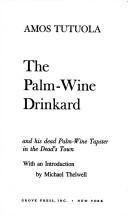
Amos Tutuola · 1952
An idle narrator journeys into the Yoruba spirit world seeking his dead palm-wine tapster, encountering ghosts, gods, and monsters along the way. Self-invented English poured directly from oral folklore, opening the door African fiction in English would walk through.
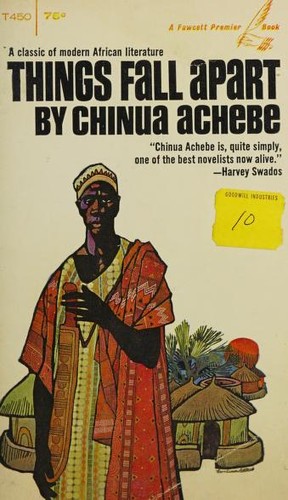
Chinua Achebe · 1958
Okonkwo's rise and ruin as the missionaries arrive: an Igbo world rendered whole from inside, in English bent to its proverbs. The founding text of modern African literature; twenty million copies and counting.
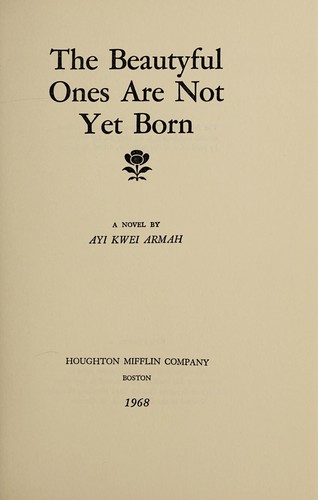
Ayi Kwei Armah · 1968
An unnamed clerk's refusal to take bribes sets him apart in a newly independent Ghana already rotting with corruption. Postcolonial disillusionment rendered as visceral, physical nausea at a whole society's decay.
Authors of this movement
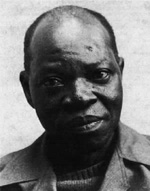 1920–1997Amos TutuolaNigeriastart with The Palm-Wine Drinkard
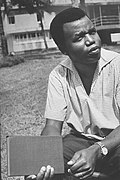 1930–2013Chinua AchebeNigeriastart with Things Fall Apart
 b. 1934Wole SoyinkaNigeriastart with Death and the King's Horseman
 1939–2023Ayi Kwei ArmahGhanastart with The Beautyful Ones Are Not Yet Born
 1942–2023Ama Ata AidooGhanastart with Changes