

Mulk Raj Anand
India
Blunt and unadorned, moving at the pace of a single working day; prose stripped of ornament so the injustice it records stays fully visible.
Anand studied philosophy at Cambridge and London, moving in Bloomsbury circles where he befriended E. M. Forster, who wrote the preface to his debut novel. He was also active in Indian nationalist politics, meeting Gandhi and briefly living at his ashram, an experience that sharpened his conviction that fiction should confront caste and poverty directly rather than aestheticize them.
Untouchable (1935) compresses a single day in the life of Bakha, a Delhi latrine-cleaner, into an unsparing account of the humiliations built into the caste system, a deliberately plain, unornamented style meant to make the injustice impossible to look away from. He went on to write further novels of laborers and peasants, and helped found the Progressive Writers' Movement alongside contemporaries like Premchand.
He spent his later career also as an editor and arts administrator in independent India, dying in Pune in 2004 at ninety-eight.
Their books in the atlas
- 1935
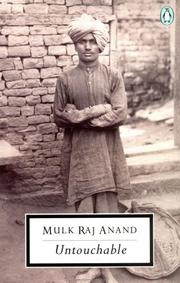 UntouchableLvl 3political novel
 - 1936
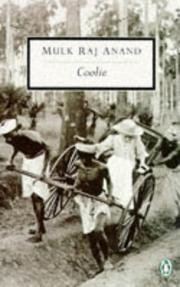 CoolieLvl 5colonial & postcolonial
Meanwhile, elsewhere
 1904–2005Ba JinChinaEast Asia · China
 1900–1999Nathalie SarrauteFranceWestern Europe · France
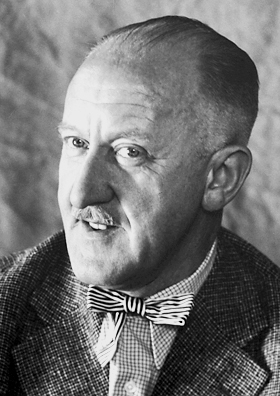 1902–1998Halldór LaxnessIcelandWestern Europe · Iceland
 1911–2011Ernesto SabatoArgentinaLatin America · Argentina
 1910–2003Rachel de QueirozBrazilLatin America · Brazil
 1911–2006Naguib MahfouzEgyptMiddle East · Egypt
If you like Anand, try
 1903–1988Alan PatonSouth Africashared movement: Postcolonial Literatures · kindred genres: colonial & postcolonial, political novel
 1926–2016Mahasweta DeviIndiashared movement: Postcolonial Literatures · kindred genres: political novel, tragedy · same region & era
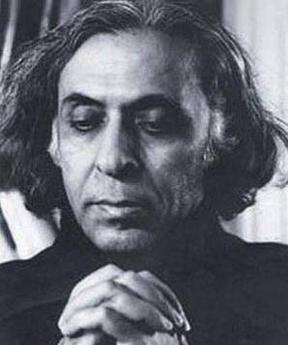 1908–2006Raja RaoIndiashared movement: Postcolonial Literatures · kindred genres: colonial & postcolonial, political novel · same region & era
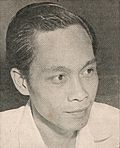 1925–2006Pramoedya Ananta ToerIndonesiashared movement: Postcolonial Literatures · kindred genres: colonial & postcolonial, bildungsroman
 1920–1978Paul ScottEnglandkindred genres: colonial & postcolonial, tragedy · neighboring movements
 1810–1865Elizabeth GaskellEnglandkindred genres: political novel, bildungsroman · neighboring movements