Gruppe 47 & the German Reckoning
Writing in a language the Nazis poisoned, postwar Germany rebuilds its prose from rubble.
Gruppe 47 convened its first informal reading in 1947, determined to clear-cut German prose back to something usable after twelve years of Nazi propaganda and euphemism: Kahlschlag, clear-felling, was the writers' own name for the project. Günter Grass answered with The Tin Drum, narrated by Oskar Matzerath, who wills himself to stop growing at age three and drums his way through the Third Reich's rise and fall, grotesque comedy standing in for a national trauma too large to narrate straight.
Heinrich Böll, the group's Nobel laureate, wrote ordinary, damaged Catholics whose small moral compromises accumulate into Billiards at Half-Past Nine's three-generation reckoning with complicity. Decades later, Bernhard Schlink's The Reader carried the project into the generation that hadn't been alive for the war at all, a young man's affair with an illiterate former camp guard forcing him to ask what he owes the perpetrators he also loved. Between them, literature became the denazification of language and conscience that the courts never quite finished.
How to spot it on the page
- Prose deliberately clear-cut of Nazi-era propaganda and euphemism (Kahlschlag)
- Grotesque comedy standing in for trauma too large to narrate straight
- Small, ordinary moral compromises tracked across generations until they accumulate into guilt
- A later generation forced to ask what it owes perpetrators it also loved
- Catholic or provincial German ordinariness examined for its complicity, not exempted from it
- Public readings and group workshopping as the actual mechanism of a literary movement
What it left behind
Gruppe 47 stopped convening in 1967, but the reckoning it started (Vergangenheitsbewältigung, the working-through of the past) never really finished, which is why Schlink could still extend it decades later to a generation with no memory of the war at all. Grass's grotesque comedy and Böll's ordinary complicity set the terms every serious German novel since has had to answer to.
Defining works
For a guided order with notes, follow the reading path →
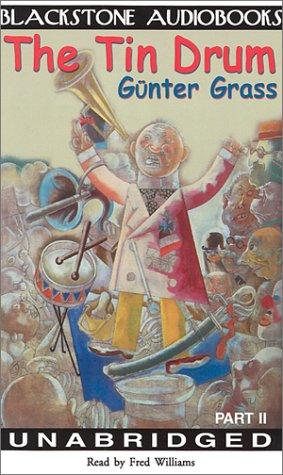
Günter Grass · 1959
Oskar Matzerath wills himself to stop growing at three and drums his way through the Nazi era from beneath the tables of respectable Germany. The great grotesque, magical-realist reckoning with German guilt.
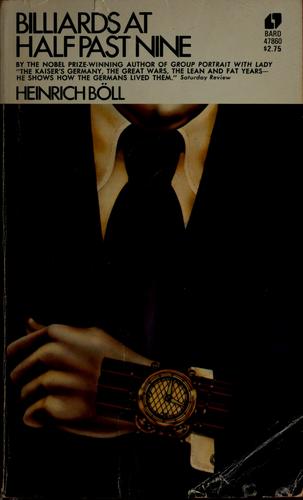
Heinrich Böll · 1959
Three generations of a Cologne family of architects converge on a single day in 1958, their private choices under Weimar, Nazism, and reconstruction refracted through a single billiards game. Böll's most structurally ambitious novel, guilt and complicity handed down like a trade.
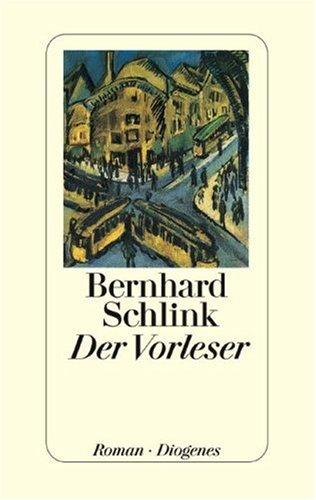
Bernhard Schlink · 1995
A teenage boy's affair with an older woman resurfaces years later when he discovers her hidden wartime role and her illiteracy. A postwar German generation's reckoning with inherited guilt, rendered as intimate confession.