The Hebrew Israeli Novel
Oz, Yehoshua, Grossman: a revived language carries a new nation's dreams and doubts.
Modern Hebrew fiction grew up alongside the state itself, written in a language deliberately revived for daily use only decades before. Amos Oz turned his own fractured Jerusalem childhood into national memoir-as-novel; A. B. Yehoshua brought a stylized, almost biblical intensity to stories of desire and obligation.
David Grossman pushed the tradition toward its most anguished register: To the End of the Land follows a mother who walks out of her house rather than receive news of her soldier son, grief and politics fused into a single unbearable wait. Between them, the literature of a young country arguing with its own history.
How to spot it on the page
- A revived, still-young Hebrew pressed into service for both biblical cadence and daily speech
- Childhood memory fused directly with national founding myth, memoir and history indistinguishable
- Desire and religious obligation argued out inside the same family or marriage
- A parent's private grief made to carry the full weight of the state's wars
- Jerusalem or a kibbutz rendered as a compressed, symbolic model of the whole country
- A stylized, almost liturgical intensity applied to ordinary domestic scenes
What it left behind
Grown up alongside the state itself, this literature has no clean end point: as long as the country keeps arguing with its own history, its novelists keep supplying the terms. Grossman's anguished fusion of grief and politics extended Oz and Yehoshua's founding project into the wars that followed, and the tradition's central habit, private family drama standing in for the nation's unresolved case, remains Israeli fiction's default mode.
Defining works
For a guided order with notes, follow the reading path →
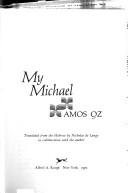
Amos Oz · 1968
A Jerusalem housewife's stifling marriage drives her into elaborate private fantasies as the city around her fills with tension before 1967. Oz's breakthrough novel of desire and disappointment in the young state's early years.
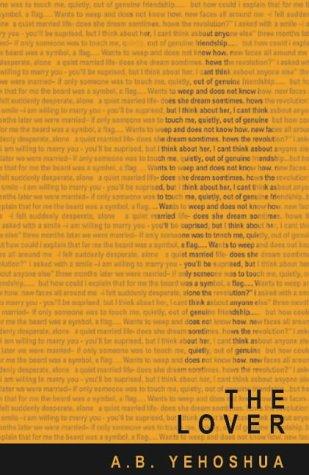
A. B. Yehoshua · 1977
Multiple first-person voices search for a woman's vanished lover during the chaos of the 1973 Yom Kippur War. Private longing shadowed by national crisis, told in a stylized, almost biblical register.
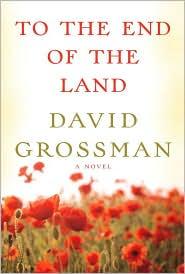
David Grossman · 2008
A mother walks out of her house rather than receive news of her soldier son, so the messengers can never find her. Written as Grossman's own son served in the military, then completed after his death: grief and politics fused into an unbearable wait.