
The Feminist Novel
Fiction takes up the condition of women as its central, urgent subject.
Simone de Beauvoir's The Second Sex gave the century its frame: one is not born, but becomes, a woman, and a generation of novelists set out to render that becoming from the inside. The domestic, the maternal, the marital, long dismissed as minor material, turned out to hold the whole architecture of power. Doris Lessing's The Golden Notebook broke a woman's life into colored ledgers and, in doing so, broke the form open.
The movement was never provincial. Mariama Bâ wrote the toll of polygamy as a Senegalese widow's letter; Nawal El Saadawi wrote from an Egyptian death row; Angela Carter ran fairy tales through a feminist furnace. What unites them is the refusal to accept the woman's life as a footnote to the man's: the insistence that it is, itself, the novel's great unwritten country.
How to spot it on the page
- Domestic and maternal labor itemized with the same seriousness realism gave to war or commerce
- Fractured, multi-notebook, or multi-part structures mirroring a divided consciousness
- Marriage examined as an economic and legal trap, not a romantic destination
- A first-person testimony voice addressed directly to another woman or to the reader
- Fairy tale and folk material repurposed to expose sexual power rather than soften it
- Anger stated plainly, without the usual apologetic softening
What it left behind
The movement dispersed rather than ended: by the 1980s its arguments had migrated from manifesto into simple assumption, no longer needing to state their case. Lessing's fractured notebook and Bâ's testimonial letter both feed directly into autofiction's confessional 'I'; Carter's furnace-treated fairy tales prefigure literary speculation's use of fable as argument. Feminist fiction's real victory is that its subject stopped needing the label.
Defining works
For a guided order with notes, follow the reading path →
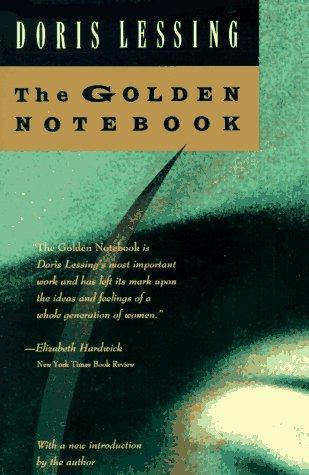
Doris Lessing · 1962
A writer keeps four separate notebooks (black, red, yellow, blue) for the fragments of her life, until a golden one tries to bind them. A founding text of the women's movement and a landmark of formal daring.

Simone de Beauvoir · 1954
The Parisian left after Liberation: love affairs, political ruptures, and disillusion among intellectuals modeled on Sartre, Camus, and Beauvoir herself. A Prix Goncourt roman à clef about how to live and act when the war's clarity is gone.

Mariama Bâ · 1979
A Senegalese widow writes to her friend, reckoning with polygamy, tradition, and her own hard-won independence. Bâ's slim epistolary novel is the founding text of African women's writing: grief and quiet defiance in one voice.
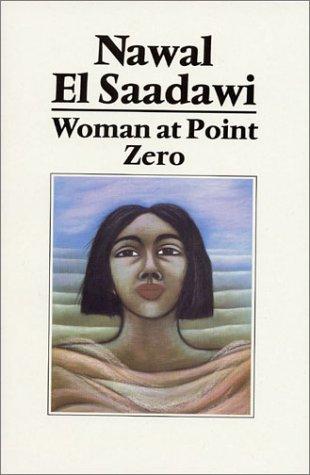
Nawal El Saadawi · 1975
A prostitute on death row tells the story of the abuse that made her, unrepentant to the last. El Saadawi's searing indictment of Arab patriarchy, drawn from a woman she met in prison.
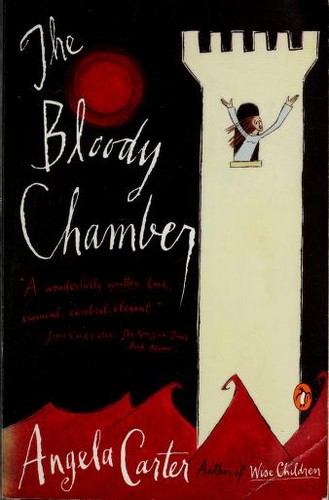
Angela Carter · 1979
Bluebeard, Beauty and the Beast, and Red Riding Hood rewritten as tales of female appetite, danger, and power. Carter's gorgeous, gothic prose turned the fairy tale into a feminist laboratory.
Authors of this movement
 1908–1986Simone de BeauvoirFrancestart with The Mandarins
 1919–2013Doris LessingUnited Kingdom / Zimbabwestart with The Grass Is Singing
 1921–2004Carmen LaforetSpainstart with Nada
 1925–2000Carmen Martín GaiteSpainstart with The Back Room
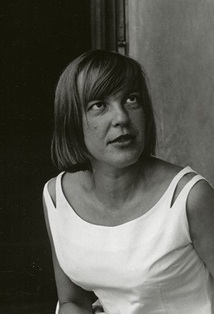 1926–1973Ingeborg BachmannAustriastart with Malina
 1929–2011Christa WolfGermanystart with The Quest for Christa T.
 1929–1981Mariama BâSenegalstart with So Long a Letter
 1930–2024Edna O'BrienIrelandstart with The Country Girls
 1931–2021Nawal El SaadawiEgyptstart with Woman at Point Zero
 1932–1963Sylvia PlathUnited Statesstart with The Bell Jar
 1935–2003Carol ShieldsCanada / United Statesstart with The Stone Diaries
 1936–2015Assia DjebarAlgeriastart with Fantasia: An Algerian Cavalcade
 b. 1939Margaret AtwoodCanadastart with The Handmaid's Tale
 b. 1940Annie ErnauxFrancestart with The Years
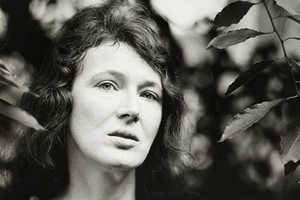 1940–1992Angela CarterEnglandstart with The Bloody Chamber
 1942–2023Ama Ata AidooGhanastart with Changes
 b. 1944Alice WalkerUnited Statesstart with The Color Purple
 1944–2017Buchi EmechetaNigeriastart with The Joys of Motherhood
 b. 1946Elfriede JelinekAustriastart with The Piano Teacher
 b. 1959Tsitsi DangarembgaZimbabwestart with Nervous Conditions