
Magical Realism
The marvelous told deadpan: a global grammar for histories too strange for realism.
Magical realism treats the impossible as unremarkable: a girl ascends to heaven while folding laundry, and the narration never blinks. Rooted in Carpentier's 'marvelous real' and perfected by García Márquez, the mode expresses how colonial history, folk belief, and modernity coexist in a single lived world.
It proved massively exportable. Rushdie wired it to Indian history's excesses, Morrison to the hauntings of slavery, Okri to Yoruba cosmology. At its best it is not whimsy but a political instrument: a way of saying that the official record is the real fantasy.
How to spot it on the page
- Impossible events narrated in the same flat, unastonished voice as the weather
- Folk belief and Catholic or animist cosmology treated as simply true
- Genealogies and family curses that stretch across a whole town's memory
- Colonial or national history compressed into a single symbolic image
- No character within the story ever registers the magic as strange
- The fantastic doing the work of political argument, not decoration
What it left behind
The mode's own success became its problem: by the 1990s 'magical realism' had calcified into a marketing category, and its sharpest heirs, Bolaño loudest among them, built careers rejecting it. But its real inheritance is method, not ornament: Morrison's ghosts, Rushdie's telepathic children, and Okri's spirit roads all use the impossible the way Carpentier intended: as history's most honest register.
Defining works
For a guided order with notes, follow the reading path →
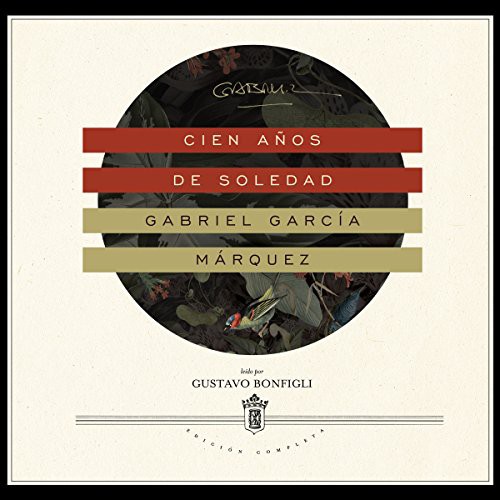
Gabriel García Márquez · 1967
Seven generations of Buendías in Macondo, where ascensions and massacres share one calm voice. The rare masterpiece that is also a planetary bestseller: it remade world literature's map and gave a continent its epic.
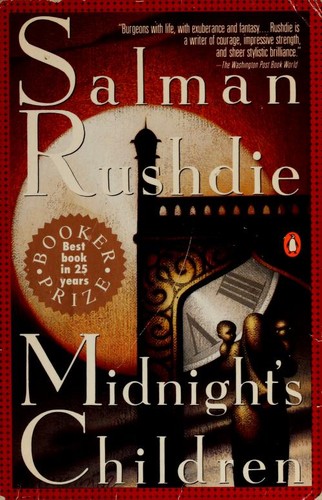
Salman Rushdie · 1981
Saleem Sinai, born at the stroke of India's independence, telepathically bound to his thousand and one midnight twins. It won the Booker of Bookers: magical realism wired to the subcontinent, and the English novel permanently rewired.
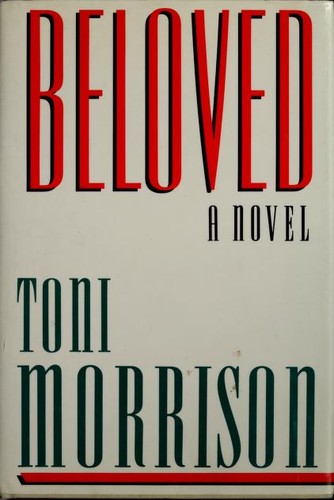
Toni Morrison · 1987
A mother kills her daughter rather than return her to slavery, and the daughter comes back. The American novel's deepest reckoning with its founding crime: Nobel-sealing, canon-defining, unforgettable.

Isabel Allende · 1982
Clairvoyant Clara, patriarch Esteban, and three generations of Trueba women marching toward the coup that exiled Allende's own family. The Boom's magic carried into a woman's saga, and to tens of millions of readers.
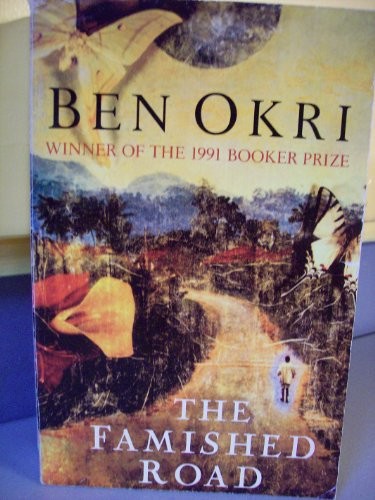
Ben Okri · 1991
Azaro, a spirit-child who keeps choosing to stay among the hungry living, wanders a Nigerian ghetto where spirits crowd the bar. Booker winner: magical realism rooted in Yoruba cosmology rather than borrowed from Macondo.
Authors of this movement
 1899–1974Miguel Ángel AsturiasGuatemalastart with El Señor Presidente
 1904–1980Alejo CarpentierCubastart with The Kingdom of This World
 1916–1998Elena GarroMexicostart with Recollections of Things to Come
 1917–1986Juan RulfoMexicostart with Pedro Páramo
 1927–2014Gabriel García MárquezColombiastart with One Hundred Years of Solitude
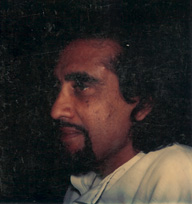 1930–2005O. V. VijayanIndia (Kerala)start with The Legends of Khasak
 1931–2019Toni MorrisonUSAstart with Beloved
 b. 1942Isabel AllendeChilestart with The House of the Spirits
 b. 1947Salman RushdieIndia / Englandstart with Midnight's Children
 b. 1955Mo YanChinastart with Red Sorghum
 b. 1955Mia CoutoMozambiquestart with Sleepwalking Land
 b. 1959Ben OkriNigeriastart with The Famished Road
 b. 1975Shehan KarunatilakaSri Lankastart with The Seven Moons of Maali Almeida