
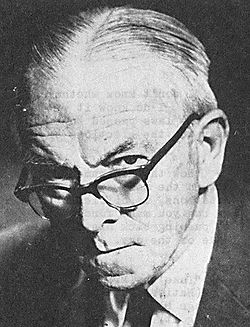
Alan Paton
South Africa
Stately and biblical, short cadenced sentences with the rhythm of scripture or hymn: grief carried in plain words weighted like prayer.
Paton spent much of his early career as principal of a reform school for Black youths outside Johannesburg, reforming its harsh disciplinary regime toward education and trust. In 1946, on a study trip through Scandinavia, England, and the United States to examine prison and reformatory systems, he found himself homesick and increasingly appalled by the racial system he had left behind, and wrote most of Cry, the Beloved Country in hotel rooms along the way.
Published in 1948, the year the National Party formally instituted apartheid, the novel followed a Zulu pastor's search through Johannesburg for his lost son and became South Africa's best-known novel of racial reckoning, selling in the millions internationally. Paton went on to co-found the Liberal Party of South Africa, campaigning against apartheid until the party was banned in 1968, and continued writing until his death in 1988.
Their books in the atlas
- 1948
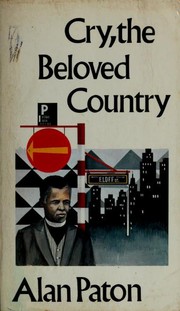 Cry, the Beloved CountryLvl 4political novel
Meanwhile, elsewhere
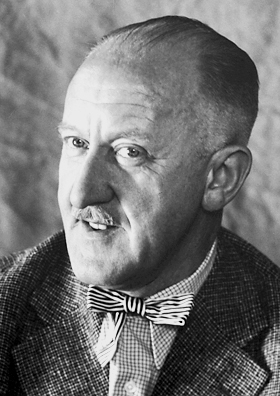 1902–1998Halldór LaxnessIcelandWestern Europe · Iceland
 1900–1999Nathalie SarrauteFranceWestern Europe · France
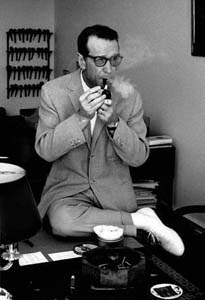 1903–1989Georges SimenonBelgiumWestern Europe · Belgium
 1900–1989Sándor MáraiHungaryRussia & Eastern Europe · Hungary
 1902–1991Isaac Bashevis SingerPoland / United StatesNorth America · Poland / United States
 1903–1993Silvina OcampoArgentinaLatin America · Argentina
If you like Paton, try
 1930–2013Chinua AchebeNigeriashared movement: Postcolonial Literatures · kindred genres: colonial & postcolonial, political novel · same region & era
 1905–2004Mulk Raj AnandIndiashared movement: Postcolonial Literatures · kindred genres: colonial & postcolonial, political novel
 1935–2015André BrinkSouth Africashared movement: Postcolonial Literatures · kindred genres: political novel, tragedy · same region & era
 b. 1938Ngũgĩ wa Thiong'oKenyashared movement: Postcolonial Literatures · kindred genres: colonial & postcolonial, political novel · same region & era
 1920–1978Paul ScottEnglandkindred genres: colonial & postcolonial, tragedy · neighboring movements
 b. 1934Wole SoyinkaNigeriakindred genres: colonial & postcolonial, political novel · neighboring movements · same region & era