

Abdulrazak Gurnah
Tanzania / UK
Measured and lyrical, a naive perspective slowly widening into understanding: colonial violence glimpsed at the edges of an ordinary boy's world.
Gurnah left Zanzibar for England in 1968 as an eighteen-year-old refugee, fleeing the persecution of Arab and Asian residents that followed the island's revolution, and did not return home for nearly two decades. He earned a doctorate and spent his academic career teaching postcolonial and Caribbean literature at the University of Kent, writing fiction on the side about displacement, memory, and the refugee experience largely overlooked by British publishing at the time.
Paradise, published in 1994 and shortlisted for the Booker Prize, followed a boy sold into servitude on a caravan into East Africa's interior just as European colonization was closing in, drawing on research into the region's own indigenous slave trade. Afterlives (2020) returned to German East Africa's colonial wars. Gurnah won the Nobel Prize in Literature in 2021, cited for his 'uncompromising and compassionate penetration' of the effects of colonialism and displacement.
Their books in the atlas
- 1994
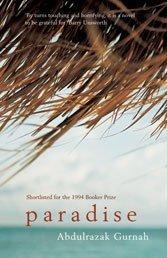 ParadiseLvl 5bildungsroman
 - 2020
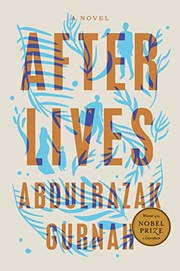 AfterlivesLvl 5historical fiction
Meanwhile, elsewhere




If you like Gurnah, try
 b. 1977Chimamanda Ngozi AdichieNigeriashared movement: Postcolonial Literatures · kindred genres: bildungsroman, colonial & postcolonial · same region & era
 b. 1948Zakes MdaSouth Africashared movement: Postcolonial Literatures · kindred genres: colonial & postcolonial, historical fiction · same region & era
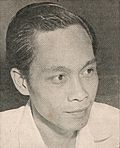 1925–2006Pramoedya Ananta ToerIndonesiashared movement: Postcolonial Literatures · kindred genres: colonial & postcolonial, historical fiction
 b. 1959Tsitsi DangarembgaZimbabweshared movement: Postcolonial Literatures · kindred genres: colonial & postcolonial, bildungsroman · same region & era
 1939–2023Ayi Kwei ArmahGhanakindred genres: colonial & postcolonial, historical fiction · neighboring movements · same region & era
 1930–2012Barry UnsworthEnglandkindred genres: colonial & postcolonial, historical fiction · neighboring movements