The Japanese Postwar
Mishima, Abe, Ōe: defeat, occupation, and the search for a self amid the ruins.
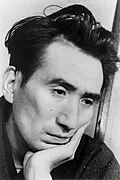
Defeat and occupation broke the frame of Japanese life, and its postwar novelists wrote from inside the fracture. Dazai's dissolute confessions spoke for a disgraced generation; Mishima built gorgeous, doomed monuments to a vanished ideal of beauty and died by his own aesthetic; Abe turned alienation into Kafkaesque parable: a man collecting insects trapped in a village of sand.
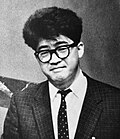
Ōe, the conscience of the era, wrote dense, self-lacerating novels of personal and national responsibility. Between them they made Japanese fiction one of the essential postwar literatures, and prepared the ground for Murakami's global generation.
How to spot it on the page
- Confessional narrators cataloguing their own disgrace in unflinching detail
- Beauty pursued to a doomed, ritualized extreme
- Alienation staged as Kafkaesque parable: sand pits, insect collectors, faceless bureaucracies
- National and personal guilt worked through a damaged son or father
- Occupation-era rubble and American bases as a constant, unremarked backdrop
- Prose swinging between classical restraint and raw self-exposure within the same book
What it left behind
The postwar generation's great confessors died or wrote themselves out by the mid-1990s (Mishima by ritual suicide in 1970, Dazai decades earlier) but their fracture became the given condition of later Japanese fiction. Murakami inherited their alienation and gave it pop surfaces and parallel worlds; Ōe's moral seriousness carries forward into Yoko Ogawa's quieter menace. The postwar search for a self never concluded, it just changed key.
Defining works
For a guided order with notes, follow the reading path →
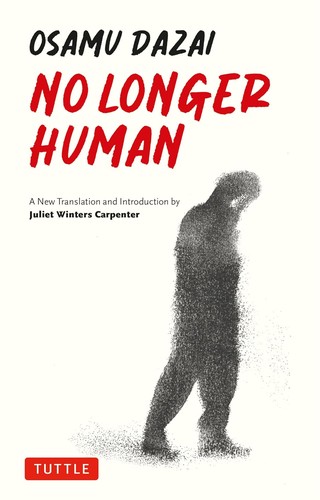
Osamu Dazai · 1948
Three notebooks by a man who performs humanity without ever feeling entitled to it. Japan's perennial bestseller of alienation: Dazai drowned himself the year it appeared, sealing book and life together.
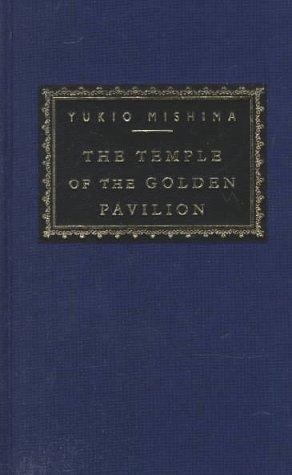
Yukio Mishima · 1956
A stuttering acolyte burns down Kyoto's most beautiful building: drawn from a true case, turned into a philosophy of beauty's unbearability. Mishima's masterpiece, and his own ending forewritten.
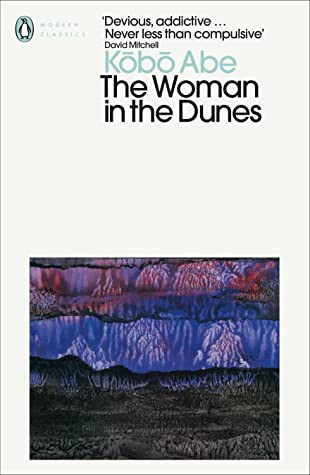
Kōbō Abe · 1962
An insect collector is trapped in a sand-pit village, bound to an endless nightly ritual of shoveling to survive alongside a woman he barely knows. Existentialism's cleanest fable, Japanese edition: Sisyphus with a shovel and a companion.
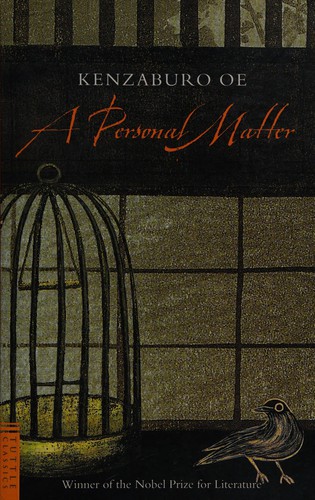
Kenzaburō Ōe · 1964
Bird dreams of Africa while his newborn son lies brain-damaged in an incubator, and escape, whisky, and shame consume him as he decides what a father owes a dying child. Ōe's transformation of his own family into the postwar era's moral test case.