
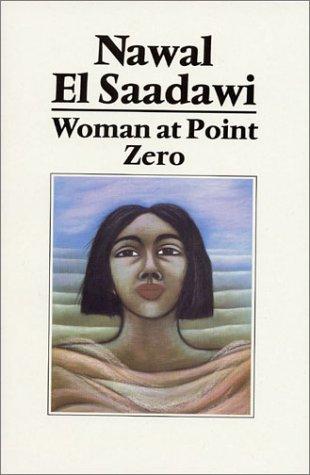
Woman at Point Zero
Nawal El Saadawi · 1931–2021 · Egypt
Originally Imra'a 'Inda Nuqtat al-Sifr (Arabic) · translated by Sherif Hetata
Why it matters
A prostitute on death row tells the story of the abuse that made her, unrepentant to the last. El Saadawi's searing indictment of Arab patriarchy, drawn from a woman she met in prison.
At a glance
Short, urgent confessional monologue with a direct, unadorned voice.
Deep dive
The murder isn't the crime this novel is actually interested in — it's what Firdaus has to say about every transaction that came before it, and what her own reckoning with the state is actually arguing.
Written for readers who have finished the book. No plot recap, and nothing here is safe to read first.
Themes & symbolism
El Saadawi builds the novel around a paradox she refuses to soften: prostitution is the one arrangement in Firdaus's life that is honest about what it extracts. Her father's household, her uncle's abuse, the marriage forced on her to a much older man — every "legitimate" relationship takes her body and labor while insisting it isn't a transaction at all, dressing extraction up as duty, protection, or love. Selling sex, by contrast, names the exchange plainly and, for a period, lets Firdaus set her own price and keep her own earnings — the first control over her own body she has ever been permitted. The novel isn't romanticizing sex work; it's using it as an X-ray of marriage, showing that the difference between the two, in the world Firdaus inhabits, is candor rather than exploitation.
The frame — a psychiatrist modeled closely on El Saadawi herself, visiting a condemned woman in prison — matters as much as the content of the monologue. By handing the narration over to Firdaus almost entirely unbroken, El Saadawi refuses the case-study distance that would let the reader hold the story at arm's length as clinical material. The near-total absence of interruption is the point: every other figure in Firdaus's life has spoken over her, priced her, or decided for her, and the single formal courtesy the novel extends is letting her finish.
The Uncle and the Making of Firdaus
The abuse Firdaus survives as a child — the genital cutting, the uncle's exploitation of a girl with nowhere else to turn — isn't background trauma the novel moves past; it's presented as her actual education, the curriculum that teaches her, years before she can name it, that her body is a resource other people are entitled to. Everything that follows, including the marriage to the much older Sheikh Mahmoud, only confirms the lesson the uncle taught first. El Saadawi's flat, undramatized delivery of these scenes is deliberate: horror rendered as simply how things are is more damning than horror rendered as exception.
Marzouk and the Logic of the Kill
Firdaus doesn't kill her pimp Marzouk in a fit of passion; the act reads as the final, logical extension of a lifetime spent being priced by other people. Marzouk is the last man to claim ownership of her earnings and her body under threat of violence, and killing him is Firdaus's one unambiguous assertion that the price is hers to set or refuse. The novel asks the reader to see this not as the collapse of a victim but as the arrival of an agent — the same self-possession that let her charge for sex finally applied to the man trying to take that self-possession away.
The last seal: what actually happens, and why it lands the way it does.
The ending, explained
Offered the chance to appeal her death sentence, Firdaus refuses outright. Accepting would mean re-entering the same negotiation she has spent her life losing — pleading for mercy from a system of men who have never once dealt with her honestly. Her calm, lucid insistence on execution isn't despair; it's presented as clarity, even victory: a refusal to trade one more compromise for survival. Dying on her own terms, having named her exploiters and her own act without flinching, is the novel's final and most uncompromising feminist statement — a woman choosing the manner of her death because it is the one thing left that no one can take from her by force.
Where to go next
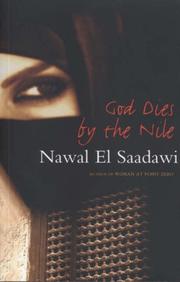 Nawal El Saadawi · 1974God Dies by the NileLvl 5Medium pace
 Ghassan Kanafani · 1963Men in the SunLvl 5Medium pace
 Abdul Rahman Munif · 1984Cities of SaltLvl 6Slow burn
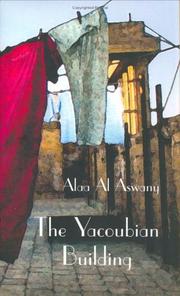 Alaa Al Aswany · 2002The Yacoubian BuildingLvl 4Fast paced
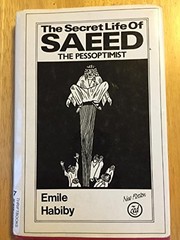 Emile Habibi · 1974The Secret Life of Saeed the PessoptimistLvl 6Fast paced
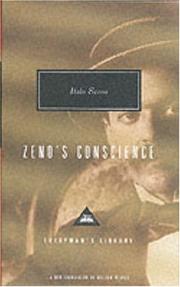 Italo Svevo · 1923Zeno's ConscienceLvl 6Medium pace