
The Russian Golden Age
'We all came out from under Gogol's overcoat,' the saying goes, and this path follows that inheritance from Pushkin's ironic verse novel through Dostoevsky's spiky confessions to Tolstoy's widest possible canvas. Seven books, one continuous argument about what a person owes their own conscience.
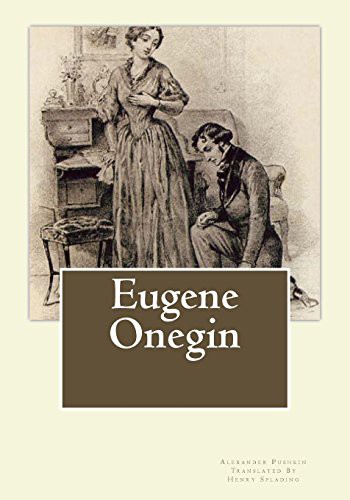 Eugene Onegin
Alexander Pushkin · 1833
Lvl 6224ppPushkin's ironic, digressive verse novel is the root everything else on this path grows from: a bored young man talks himself out of the one thing that could have saved him.
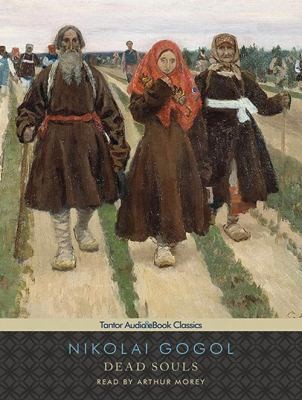 Dead Souls
Nikolai Gogol · 1842
Lvl 5464ppGogol's con man buys dead serfs on paper: a guided tour of a whole society's rot, comedy that curdles as it goes, and the overcoat every later Russian writer claims to have come from.
 Oblomov
Ivan Goncharov · 1859
Lvl 4480ppGoncharov's hero is so committed to doing nothing that getting out of bed becomes the novel's central drama: Russian realism's comic mirror to all this ambition and guilt.
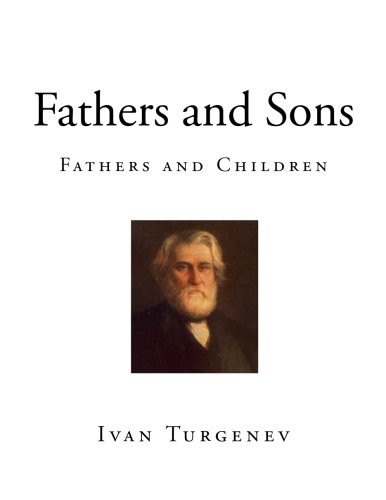 Fathers and Sons
Ivan Turgenev · 1862
Lvl 3248ppTurgenev's quarrel between old liberals and young nihilists is the shortest, cleanest statement of what a generation owes its dead.
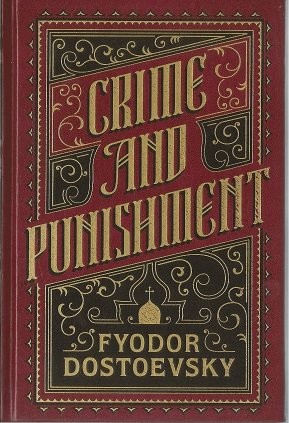 Crime and Punishment
Fyodor Dostoevsky · 1866
Lvl 6545ppDostoevsky puts a murderer's conscience under a microscope: the crime happens on page sixty; the guilt is the other five hundred.
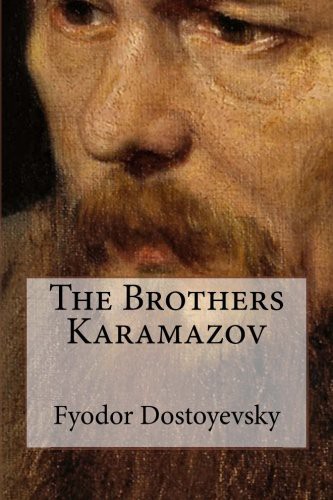 The Brothers Karamazov
Fyodor Dostoevsky · 1880
Lvl 8824ppDostoevsky's largest argument: three brothers, one murdered father, and the fullest case for and against God that fiction has ever staged.
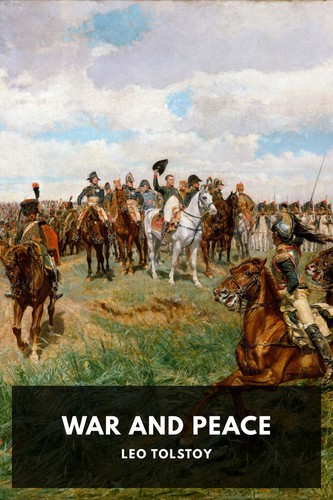 War and Peace
Leo Tolstoy · 1869
Lvl 71225ppThe capstone: Tolstoy scales the century's whole method up to an entire society at war and at peace, the size every panoramic novel since has been arguing with or against.