
The Jewish American Novel
Mid-century American fiction's most important postwar wave came out of immigrant neighborhoods and rabbinic memory in roughly equal measure: Bellow's manic erudition, Malamud's parable-plain suffering, Singer's Yiddish ghosts, Roth's relentless self-examination. Five books run from Roth's scandalous debut through Bellow's and Malamud's mid-century peaks to Roth's late, devastating capstone.
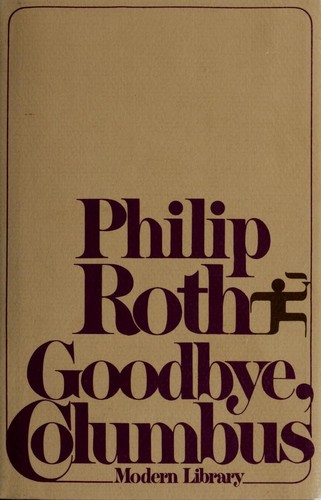 Goodbye, Columbus
Philip Roth · 1959
Lvl 4298ppRoth's debut novella skewers suburban Jewish assimilation with a comic bite so precise it got him accused, in his twenties, of self-hatred: the funniest, sharpest on-ramp into the whole tradition.
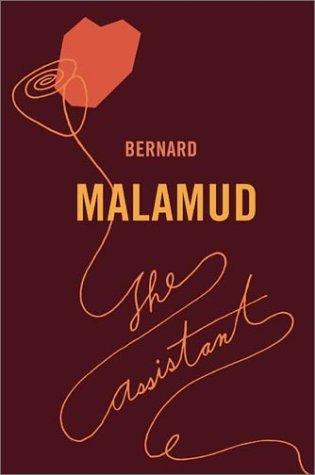 The Assistant
Bernard Malamud · 1957
Lvl 5246ppMalamud's grocer and the drifter who robs then redeems himself work out suffering, guilt, and grace in a Brooklyn store that barely stays open: parable written at street level.
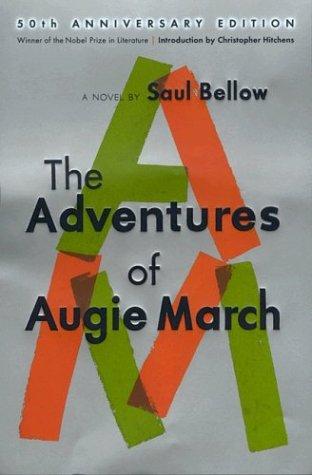 The Adventures of Augie March
Saul Bellow · 1953
Lvl 7536ppBellow's opening line, 'I am an American, Chicago born,' announces a whole new register: exuberant, digressive, unapologetically brilliant, the novel that gave Jewish American fiction its confidence.
 Enemies, A Love Story
Isaac Bashevis Singer · 1972
Lvl 5257ppSinger's Holocaust survivor juggles three entangled wives in postwar Brooklyn, guilt and appetite refusing to cancel each other out: the tradition's darkest comedy, narrated by its last great Yiddish voice.
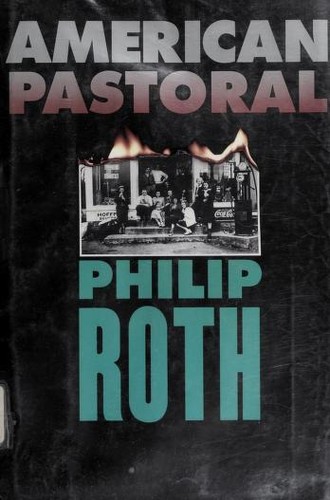 American Pastoral
Philip Roth · 1997
Lvl 6423ppThe capstone: Roth's golden-boy glove manufacturer watches the American dream he built detonate when his daughter becomes a domestic terrorist, the late masterpiece that finally answers what assimilation cost.