
The Nouveau Roman
The nouveau roman declared the psychological novel finished: no omniscient narrators or round characters, only obsessive surfaces and scenes replayed with small, unresolved variations. This compact movement's entire relevant shelf, seven books across four writers, runs from Sarraute's earliest experiment to Claude Simon's hardest, most fractured war novel.
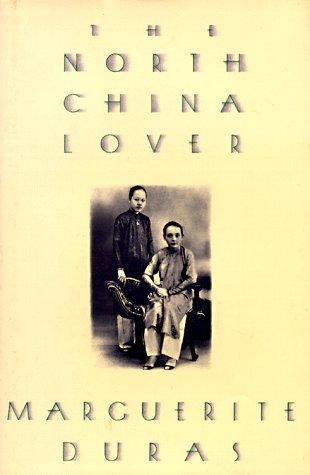 The Lover
Marguerite Duras · 1984
Lvl 5128ppDuras, working just adjacent to the movement, applies its austerity to memory and colonial desire instead of pure geometry: a teenage narrator's affair on a Mekong ferry crossing, told in fragments that refuse chronology.
 Tropisms
Nathalie Sarraute · 1939
Lvl 7100ppSarraute's earliest experiment predates the movement's name by over a decade: tiny, nameless psychological flickers instead of characters, the germ everything after grows from.
 Moderato Cantabile
Marguerite Duras · 1958
Lvl 696ppDuras narrows a piano lesson and an overheard murder into one obsessive café afternoon, replayed and replayed: desire and violence circling without ever quite landing.
 The Voyeur
Alain Robbe-Grillet · 1955
Lvl 8219ppRobbe-Grillet's traveling watch salesman narrates a small island with obsessive, almost surveying precision, and a horrifying gap right where the crime should be.
 The Planetarium
Nathalie Sarraute · 1959
Lvl 7240ppSarraute widens her tropism method to a whole Parisian family fighting over an apartment: psychology withheld entirely, only competing interior flickers given.
 Jealousy
Alain Robbe-Grillet · 1957
Lvl 8144ppThe movement's defining text: a never-named husband watches his wife and a neighbor with obsessive, geometric attention, the same veranda-and-banana-grove scene replayed until jealousy itself becomes the actual subject.
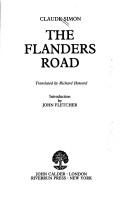 The Flanders Road
Claude Simon · 1960
Lvl 9230ppThe capstone, and the hardest text here: Claude Simon fractures a cavalry collapse in 1940 into looping, unpunctuated memory, the nouveau roman's austerity pushed into something closer to trauma than technique.