
Existentialism & the Absurd
Paris after the Occupation asked the century's starkest question, how to live once meaning is no longer handed down, and answered it in novels, not treatises. Eight books run from a killing on an Algiers beach to Beckett's tramps talking themselves toward silence, tracking the absurd's slide from philosophy into pure, patient comedy.
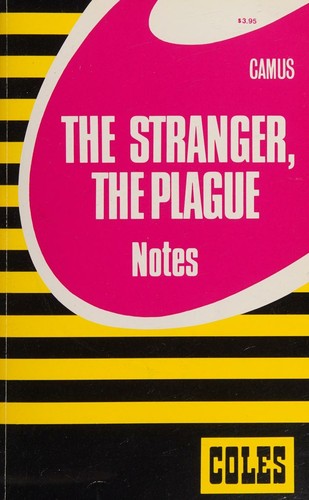 The Stranger
Albert Camus · 1942
Lvl 3128ppCamus's Meursault is condemned less for the killing than for refusing to perform the grief the court expects: the flattest, coldest entry point into the whole movement's logic.
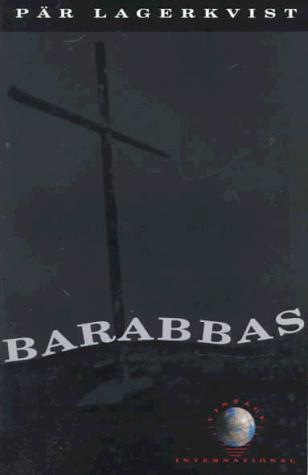 Barabbas
Pär Lagerkvist · 1950
Lvl 4180ppLagerkvist takes the thief spared instead of Christ and follows him into a lifetime unable to either believe or stop wondering: absurdism borrowing scripture's own architecture.
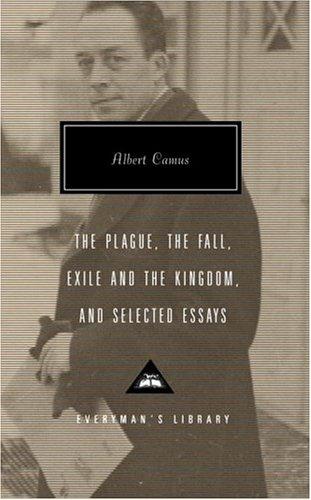 The Plague
Albert Camus · 1947
Lvl 4320ppCamus scales the same indifferent universe up to a quarantined city: the Occupation he couldn't name directly, met with collective, stubborn decency instead of despair.
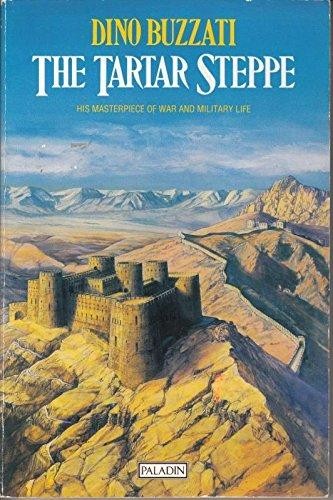 The Tartar Steppe
Dino Buzzati · 1940
Lvl 5220ppBuzzati's officer waits his whole career at a remote fort for an invasion that may never come: absurdist waiting turned into a life's entire shape.
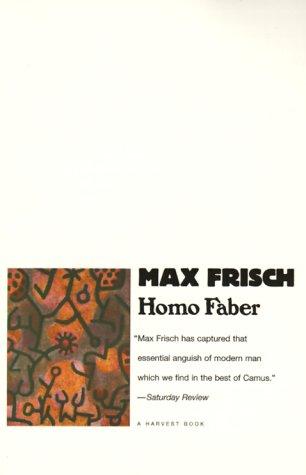 Homo Faber
Max Frisch · 1957
Lvl 5200ppFrisch's rationalist engineer narrates his own life as coincidence-free logic, right up until coincidence destroys it: technocratic confidence undone by the one thing it can't compute.
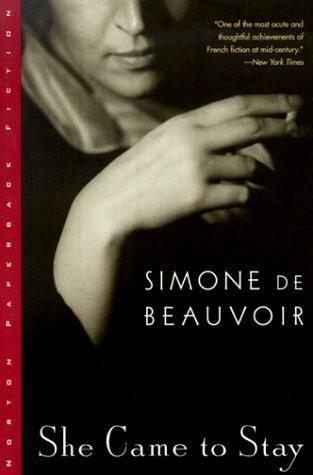 She Came to Stay
Simone de Beauvoir · 1943
Lvl 6409ppBeauvoir fictionalizes her own open relationship with Sartre as a philosophical trap: freedom chosen in theory, murderous in practice once a third person moves in.
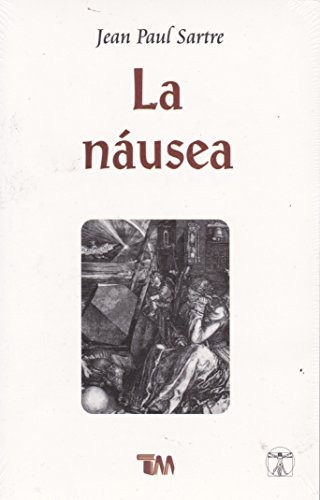 Nausea
Jean-Paul Sartre · 1938
Lvl 6256ppSartre's diarist is undone by the sheer, gluey fact of things existing: the movement's founding philosophical novel, existence caught in the act of just being there.
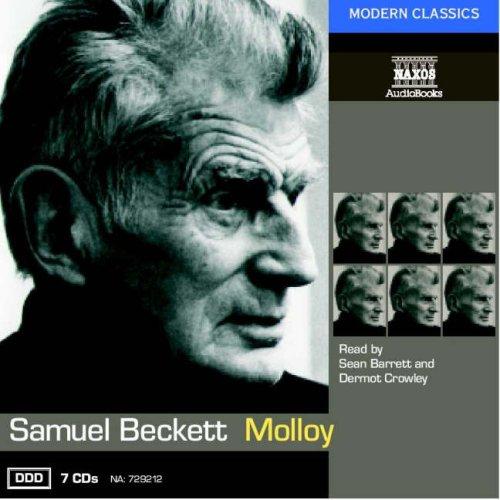 Molloy
Samuel Beckett · 1951
Lvl 8176ppThe capstone: Beckett pushes the logic to its comic, disintegrating end, a tramp who can't go on and goes on anyway, prose stripped until barely a self remains.