
The European Renaissance
Gutenberg's press and humanism's revival of antiquity gave the Renaissance its raw materials; what it built with them was new: the essay, the professional public stage, and a soliloquy that could hold a whole indecisive mind. Six texts run from a scholar's damnation to Milton's biblical epic, the direct runway into the novel a generation later.
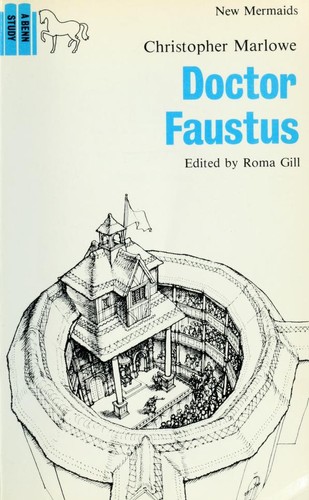 Doctor Faustus
Christopher Marlowe · 1592
Lvl 5120ppMarlowe stages the era's central bargain in blank verse and under two hours: a scholar trades his soul for twenty-four years of knowing everything. The shortest door in.
 Macbeth
William Shakespeare · 1606
Lvl 5110ppShakespeare compresses ambition, prophecy, and guilt into his tightest tragedy: soliloquy doing interior work no stage had attempted before.
 The Essays
Michel de Montaigne · 1580
Lvl 61300ppMontaigne invents a form to hold nothing but his own mind changing: humanism's private, self-examining turn, and the ancestor of every 'I' that follows it into fiction.
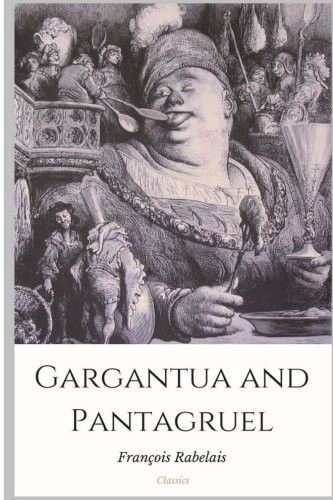 Gargantua and Pantagruel
François Rabelais · 1534
Lvl 81000ppRabelais gets print culture drunk on its own new freedom: giants, lists, and bodily excess deployed against scholastic pomposity, high philosophy and toilet humor sharing a page without apology.
 The Faerie Queene
Edmund Spenser · 1590
Lvl 91050ppSpenser revives antiquity on purpose and stretches it into a national allegory vast enough for Elizabeth I to star in her own epic.
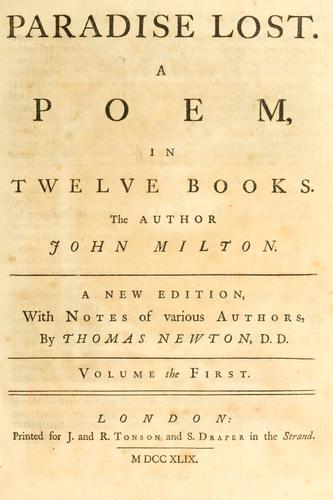 Paradise Lost
John Milton · 1667
Lvl 8300ppThe capstone: Milton, writing after the theatres had closed under Puritan rule, brings epic's full machinery back for one last biblical story, and gives the devil the best lines.