
The Lost Generation
'You are all a lost generation,' Gertrude Stein told the Americans who washed up in Paris after the war, and out of that displacement came a new American sound: plain, declarative, with the real feeling submerged beneath it. Seven books run from Stein's own prose experiments to Fitzgerald's saddest, latest novel, published the same year the scene finally broke up.
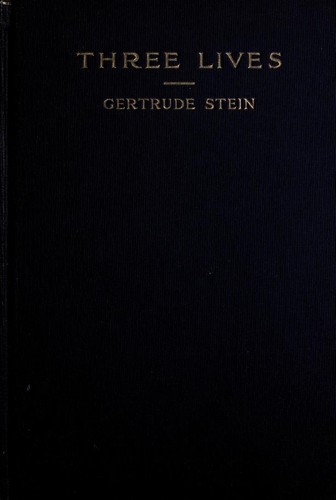 Three Lives
Gertrude Stein · 1909
Lvl 6288ppStein's early, repetitive, deceptively plain portraits of three servant women lay the sonic groundwork: cadence and repetition doing the work plot usually does.
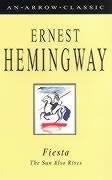 The Sun Also Rises
Ernest Hemingway · 1926
Lvl 4251ppHemingway's bullfights and bars are all surface: the iceberg theory in its purest form, meaning submerged beneath sentences too plain to seem to be hiding anything.
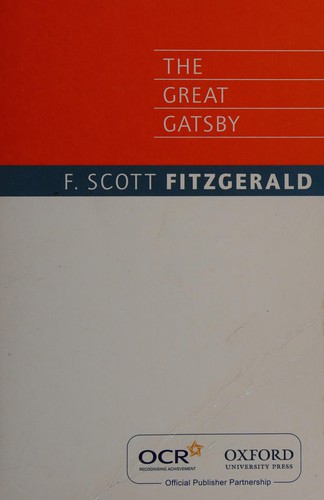 The Great Gatsby
F. Scott Fitzgerald · 1925
Lvl 4180ppFitzgerald's glamour is staged deliberately to mask the damage underneath: a whole lost order elegized in under two hundred pages.
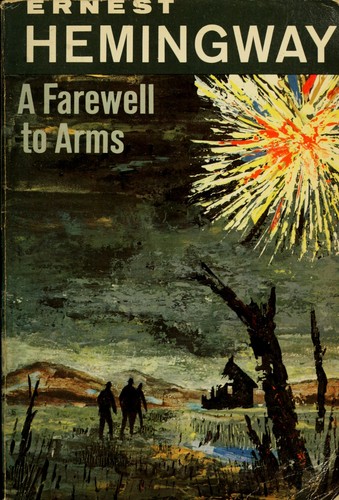 A Farewell to Arms
Ernest Hemingway · 1929
Lvl 4332ppHemingway's wartime romance ends about as unsentimentally as a love story can: the plain style's coldest, most disciplined use of what it refuses to say.
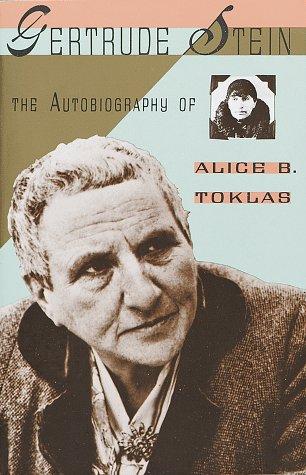 The Autobiography of Alice B. Toklas
Gertrude Stein · 1933
Lvl 5252ppStein's sly trick: she writes her own memoir in her partner's voice, capturing the whole Paris scene (Picasso, Hemingway, the cafés) from just outside its center.
 Tropic of Cancer
Henry Miller · 1934
Lvl 7318ppHenry Miller blows past the Lost Generation's discipline entirely: Depression-era Paris rendered with no plot, no shame, and twenty-seven years of American censorship to show for it.
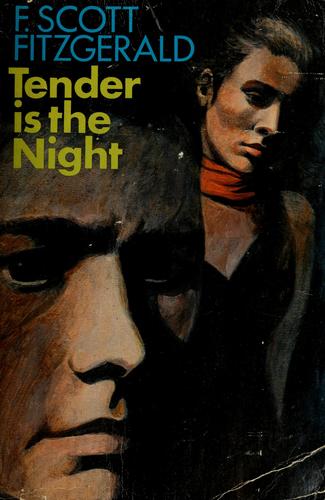 Tender Is the Night
F. Scott Fitzgerald · 1934
Lvl 6317ppThe capstone, and the movement's last word: Fitzgerald's saddest, latest novel arrived the same year, 1934, the scene it's elegizing had already scattered home.