
The Working-Class Novel
The industrial revolution and its aftershocks gave the novel a new subject: work itself, and what it does to the people who have no choice but to do it. Six books track that subject from a Manchester mill to a Dust Bowl highway.
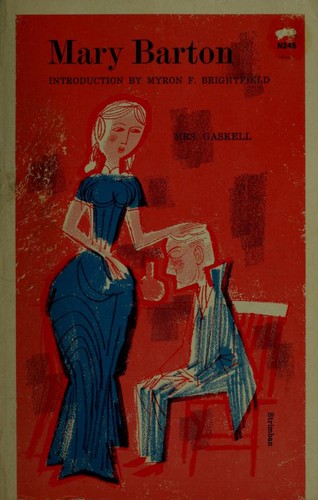 Mary Barton
Elizabeth Gaskell · 1848
Lvl 4400ppGaskell walks straight into a Manchester mill worker's home during a strike: the industrial novel's founding act of sympathy, aimed at a comfortable readership that needed convincing.
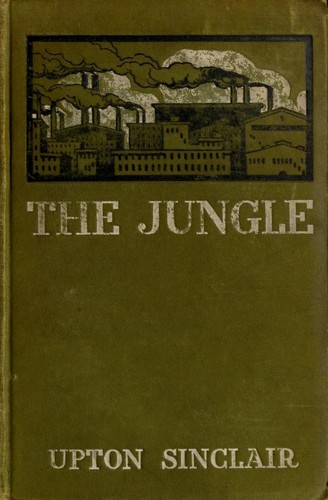 The Jungle
Upton Sinclair · 1906
Lvl 4413ppSinclair's Lithuanian immigrant is chewed up by the Chicago meatpacking plants that are chewing up the meat: muckraking journalism disguised as, and then overtaken by, a novel.
 Sons and Lovers
D. H. Lawrence · 1913
Lvl 5420ppLawrence turns his own mining-town childhood into fiction: the labor novel's interior turn, class written as psychology and desire, not just conditions.
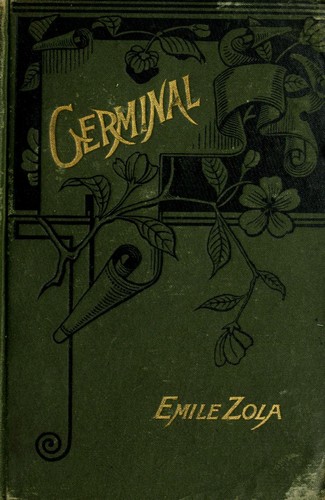 Germinal
Émile Zola · 1885
Lvl 5512ppZola sends a starving miner into a doomed strike and lets the mine itself become a character: naturalism's labor epic, and the bleakest book on this list.
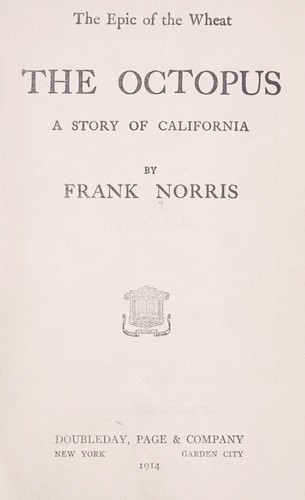 The Octopus: A Story of California
Frank Norris · 1901
Lvl 5480ppNorris pits California wheat farmers against a railroad monopoly: capital and labor at continental scale, the fight Steinbeck picks back up a generation later.
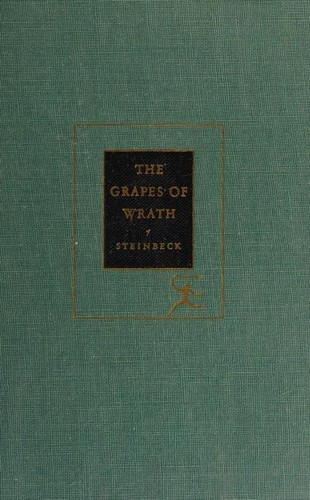 The Grapes of Wrath
John Steinbeck · 1939
Lvl 5464ppSteinbeck's capstone sends the Joads down Route 66 into a country with no use for them: the genre's most canonical, most devastating account of labor with nowhere left to sell itself.