
The Russian Silver Age
Between the 1890s and the Revolution, Russian literature entered a hothouse period of stylistic experiment even as the empire that produced it collapsed underneath it. Four books run from Bunin's exile-haunted lyricism through Zamyatin's dystopian warning to Bely's hallucinatory capstone, the novel that rewired what Nabokov thought a sentence could do.
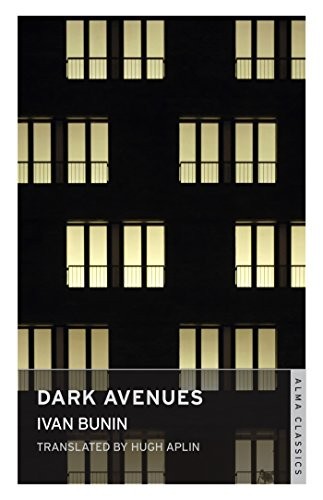 Dark Avenues
Ivan Bunin · 1943
Lvl 4416ppBunin's late story cycle returns obsessively to lost loves and a vanished Russia, written in emigre exile: the clearest, most devastating on-ramp into Silver Age prose.
 The Life of Arseniev
Ivan Bunin · 1930
Lvl 5320ppBunin's autobiographical novel, the book behind Russia's first Nobel in Literature, recovers a whole vanished landscape of childhood and first love in prose so exact it reads like elegy.
 We
WeYevgeny Zamyatin · 1924
Lvl 5240ppZamyatin imagines a glass city where citizens are numbers and love is rationed by ticket: the dystopia later credited as ancestor to both Orwell's 1984 and Huxley's Brave New World, written and banned before either existed.
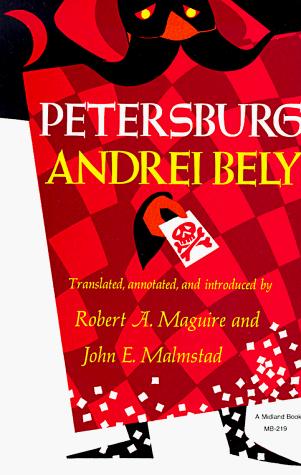 Petersburg
Andrei Bely · 1913
Lvl 8352ppThe capstone: Bely dissolves the czarist capital into pure rhythm and color as a son carries a bomb meant for his own father, prose so musically wrought Nabokov ranked it among the century's four greatest novels.