
Fin de Siècle
Realist certainty doesn't collapse all at once: it goes decadent first, obsessed with surface, beauty, and the slow, luxurious approach of ruin. Aestheticism, naturalism's darker cousin, and the first truly psychological fiction share one mood: something is ending, and everyone in these pages can feel it.
 The Picture of Dorian Gray
Oscar Wilde · 1890
Lvl 4256ppWilde's aestheticism-as-manifesto: a portrait ages and rots so its owner never has to, the era's whole bargain in one image.
 Against Nature (À rebours)
Joris-Karl Huysmans · 1884
Lvl 7256ppHuysmans strips out the plot entirely and leaves only sensation: a bored aristocrat curating his own decline, decadence with nothing left to justify it.
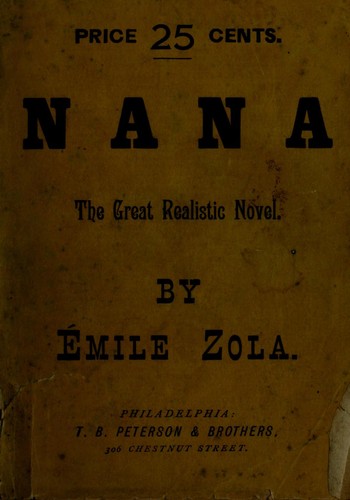 Nana
NanaÉmile Zola · 1880
Lvl 4448ppZola's naturalism turns unsparing: a courtesan's rise and fall narrated with the same clinical distance you'd give a disease.
 Tess of the d'Urbervilles
Thomas Hardy · 1891
Lvl 4512ppHardy's realist certainty curdles into something close to despair: a good woman punished by a universe that was never fair to begin with.
 Dracula
Bram Stoker · 1897
Lvl 4418ppStoker channels the era's anxieties (sex, empire, contagion) into Gothic form, modernity's fears wearing a cape.
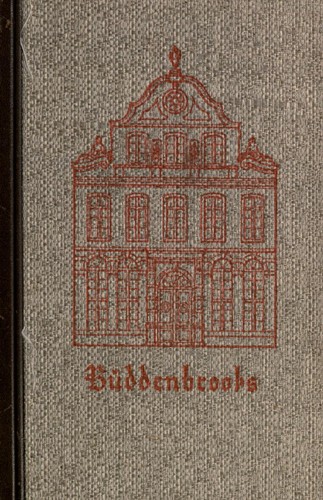 Buddenbrooks
Thomas Mann · 1901
Lvl 5736ppMann's family saga tracks a merchant dynasty's slow, dignified decline across four generations: the bourgeois confidence of a whole century, dying quietly.
 Kim
KimRudyard Kipling · 1901
Lvl 5320ppKipling's spy-adventure carries an empire's swagger and, underneath it, the first cracks in its certainty about itself.
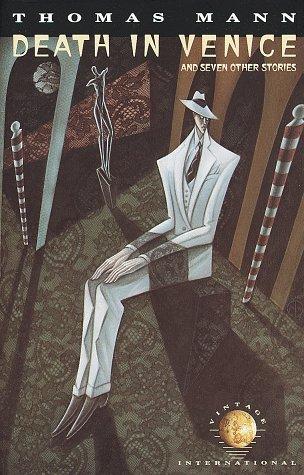 Death in Venice
Thomas Mann · 1912
Lvl 696ppThe capstone: Mann again, and closer in, beauty, obsession, and death fused into one novella, the era's whole mood distilled to its most perfect, most poisonous point.