
Modernism
Between 1900 and 1945, the novel stops trusting the straight line: chronology fractures, interior monologue takes over, and style itself becomes the subject. Two world wars bracket the era and explain most of its nerve: if the world had stopped making sense, why should the sentence pretend otherwise?
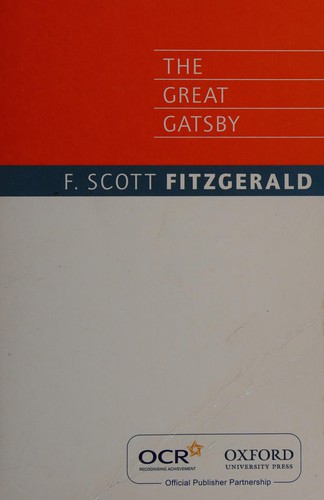 The Great Gatsby
F. Scott Fitzgerald · 1925
Lvl 4180ppFitzgerald's Jazz Age glamour curdles fast: the shortest, most approachable door into modernism's disillusionment.
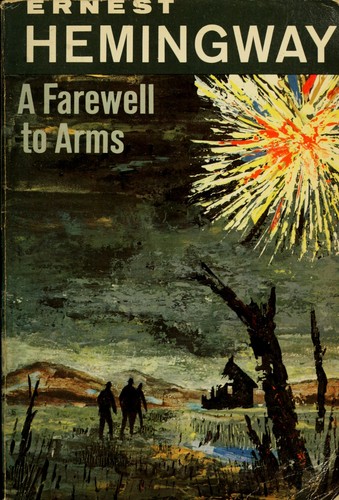 A Farewell to Arms
Ernest Hemingway · 1929
Lvl 4332ppHemingway strips the prose down to bone: modernism's plainest style, proof the movement isn't only about difficulty.
 The Trial
Franz Kafka · 1925
Lvl 6256ppKafka's bureaucratic nightmare runs on a logic that never quite adds up: the self on trial for a crime nobody will name.
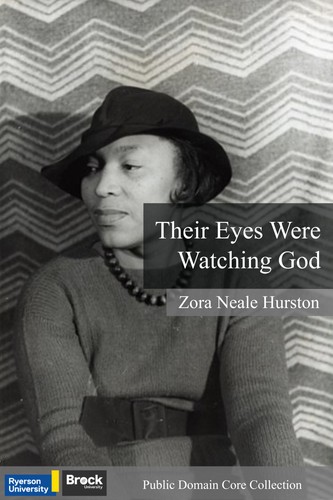 Their Eyes Were Watching God
Zora Neale Hurston · 1937
Lvl 5219ppHurston claims interiority for a Black woman's voice in dialect the literary establishment had never let carry a novel before.
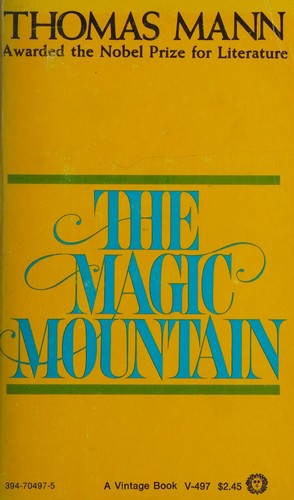 The Magic Mountain
Thomas Mann · 1924
Lvl 8720ppMann quarantines Europe's whole intellectual argument in a Swiss sanatorium: ideas debated for seven hundred pages while the war approaches outside.
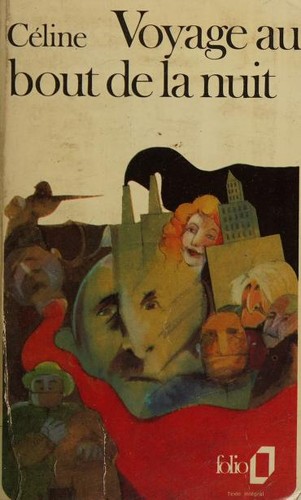 Journey to the End of the Night
Louis-Ferdinand Céline · 1932
Lvl 6450ppCéline pushes the plain style toward nihilism: a voice so savage and funny it can barely look at what it's describing.
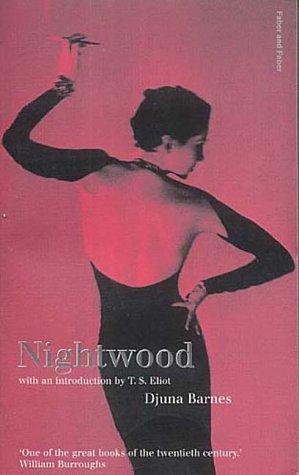 Nightwood
Djuna Barnes · 1936
Lvl 9179ppBarnes writes modernism's densest, most poetic prose: queer longing rendered in sentences that reward being read twice.
 Absalom, Absalom!
William Faulkner · 1936
Lvl 10313ppThe capstone and the hardest text here: Faulkner hands a single Southern catastrophe to four unreliable narrators and lets them reconstruct it, and misremember it, together.