
Italian Realism & Verismo
In a single century Italian fiction goes from building a not-yet-unified nation's founding story to questioning whether the self holding that story together is even stable. Six books run from Manzoni's historical romance through Verga's unsparing Sicily to Pirandello's fractures: 'one, no one, and one hundred thousand.'
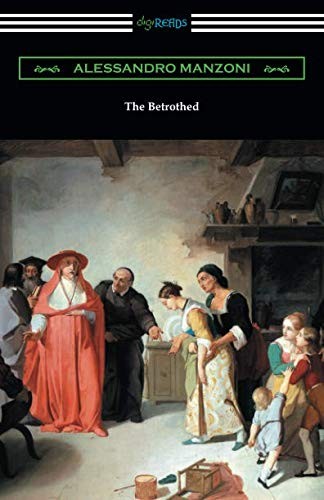 The Betrothed
Alessandro Manzoni · 1827
Lvl 5720ppManzoni's historical romance gave a not-yet-unified Italy its founding novel and, in the process, helped standardize the language everyone on this path is written in.
 Cavalleria Rusticana
Giovanni Verga · 1880
Lvl 5200ppVerga's short, brutal Sicilian tragedy of honor and vengeance is verismo's method in miniature: peasant life observed with anthropological distance, no moralizing aside.
 The House by the Medlar Tree
Giovanni Verga · 1881
Lvl 6280ppVerga's fuller verismo epic follows one fishing family's ruin with the same unsparing refusal to intervene: realism pushed toward Sicily's poorest, least sentimental corners.
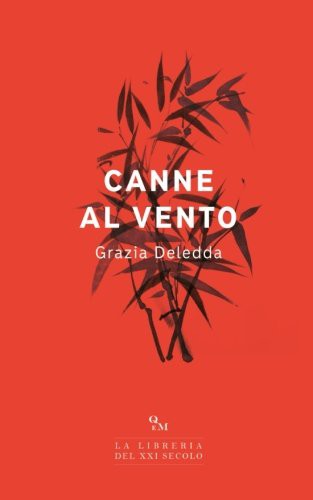 Reeds in the Wind
Grazia Deledda · 1913
Lvl 4208ppDeledda's Sardinia gives the drought-and-decline novel a woman's eye and a different island's dialect: regional realism's reach beyond the mainland.
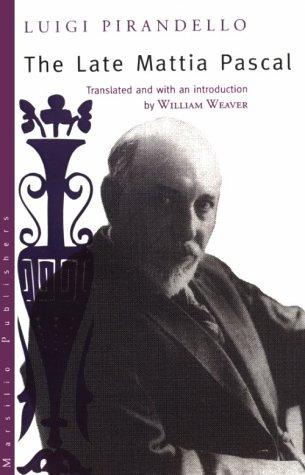 The Late Mattia Pascal
Luigi Pirandello · 1904
Lvl 5260ppPirandello's man is declared legally dead and has to invent a whole new identity: the realist assumption of a stable self starting to crack.
 One, No One and One Hundred Thousand
Luigi Pirandello · 1926
Lvl 6160ppThe capstone: Pirandello's narrator discovers his own face means something different to everyone who's ever looked at it, the self splintered for good, absurdism's whole later preoccupation arriving early.