
The Renaissance
In two centuries, Europe goes from hand-copied manuscripts to a press turning out thousands of identical books, and literature has to figure out fast what to do with that reach. Humanism revives antiquity on purpose, professional theatres give drama a paying public, and by the end a sentence can hold a whole interior life: the direct runway into the novel's own invention.
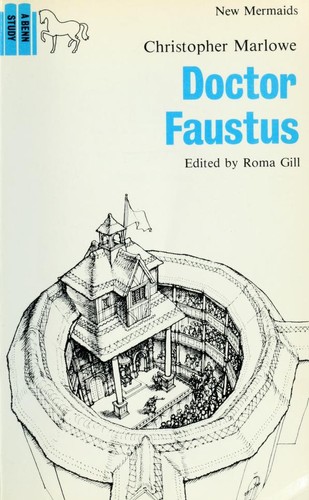 Doctor Faustus
Christopher Marlowe · 1592
Lvl 5120ppMarlowe's short, quick play sets the era's central bargain on a public stage: a scholar trades his soul for twenty-four years of knowing everything. The shortest door in.
 Le Morte d'Arthur
Thomas Malory · 1485
Lvl 6900ppCaxton's printing press turns a knight's chivalric world into England's first bestseller: the old romance mass-produced for a new reading public.
 Journey to the West
Wu Cheng'en · 1592
Lvl 62000ppMing China runs its own version in parallel: a monk, a monkey, and a vernacular epic popular enough to still be adapted five centuries later.
 The Essays
Michel de Montaigne · 1580
Lvl 61300ppMontaigne invents a form to hold nothing but his own mind changing: humanism's private, interior turn, and the ancestor of everything autofiction will try centuries later.
 The Faerie Queene
Edmund Spenser · 1590
Lvl 91050ppSpenser revives antiquity on purpose: knights and virtues stretched into a national allegory even Elizabeth I got to star in.
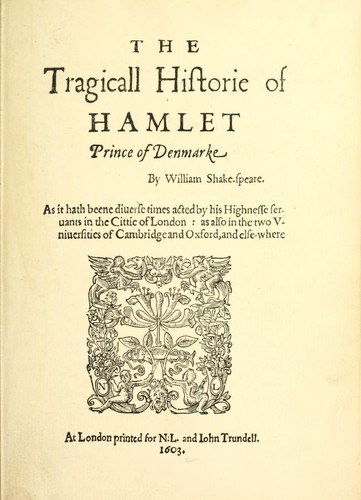 Hamlet
William Shakespeare · 1601
Lvl 6150ppShakespeare puts a whole self, indecisive, self-aware, endlessly quotable, onto a public stage for the first time. The self the novel will spend the next two centuries trying to catch up to.
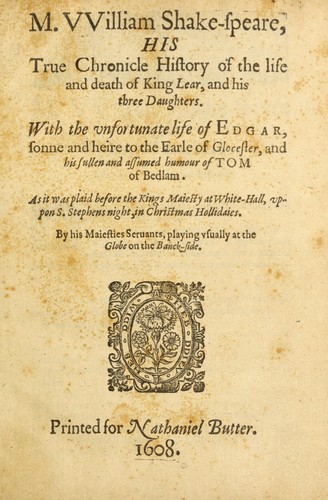 King Lear
William Shakespeare · 1606
Lvl 7140ppThe darkest possible answer to the era's confidence: an old king strips himself of everything and the world doesn't forgive him for it.
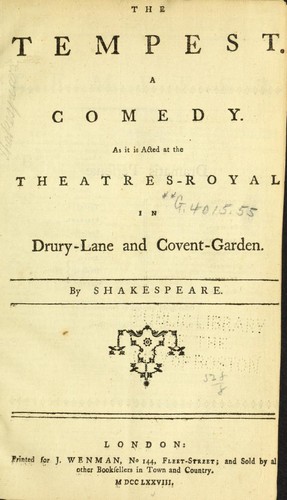 The Tempest
William Shakespeare · 1611
Lvl 5110ppThe capstone, and widely read as Shakespeare's own farewell: a magician buries his staff and drowns his book, and the Renaissance's whole theatrical experiment quietly takes its bow.