
Modern Chinese Fiction
Modern Chinese literature begins with a diagnosis, Lu Xun reading Chinese tradition itself as cannibalism, and never fully lets go of fiction's use as a scalpel on national character. Eight books run from that founding scream through wartime Shanghai and postwar satire to the hallucinatory village epic that won the Nobel.
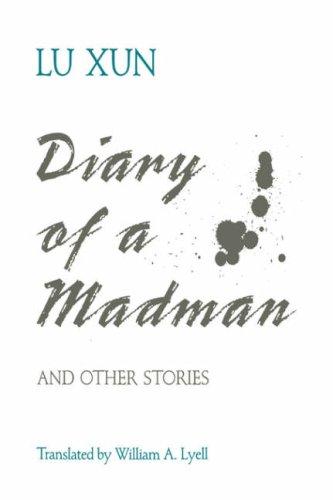 A Madman's Diary
Lu Xun · 1918
Lvl 616ppLu Xun's sixteen-page scream reads four thousand years of Chinese tradition as literal cannibalism: modern Chinese fiction's founding, blistering diagnosis.
 Border Town
Shen Congwen · 1934
Lvl 3116ppShen Congwen's pastoral novella of a ferryman's granddaughter and two suitors is the gentlest possible contrast: folk lyricism instead of the scalpel, at least on the surface.
 Rickshaw Boy
Lao She · 1937
Lvl 3249ppLao She's Beijing puller works himself to exhaustion trying to own his own rickshaw: urban naturalism with a peasant's stubborn, doomed dignity.
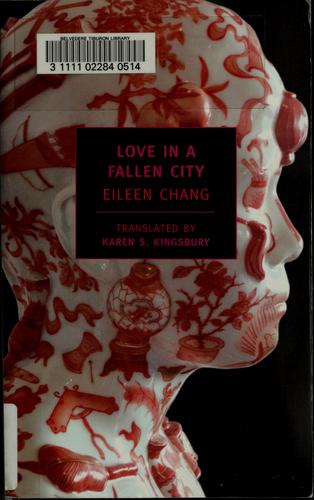 Love in a Fallen City
Eileen Chang · 1943
Lvl 5300ppEileen Chang finds a wartime Shanghai courtship's whole tragedy in a strip of wallpaper and a broken engagement: style itself as the only available survival strategy.
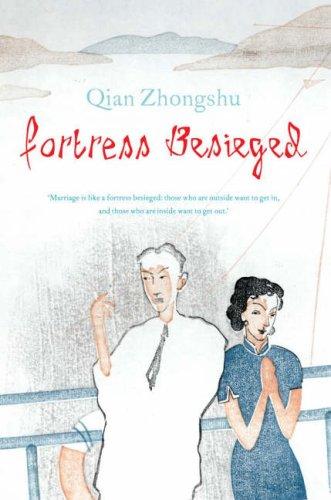 Fortress Besieged
Qian Zhongshu · 1947
Lvl 5379ppQian Zhongshu's comic masterpiece follows a fraudulent-degree holder through marriage and academia: 'those inside want to get out, those outside want to get in.'
 Raise the Red Lantern
Su Tong · 1990
Lvl 4130ppSu Tong's concubine drama compresses a household's whole hierarchy of power into a single courtyard, red lanterns marking who's favored tonight.
 Red Sorghum
Mo Yan · 1986
Lvl 7359ppMo Yan's hallucinatory village epic of sorghum wine, banditry, and Japanese occupation is the tradition's carnal, maximalist extreme: the scalpel recalibrated into myth.
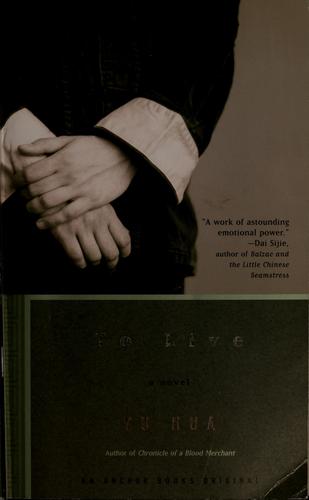 To Live
Yu Hua · 1993
Lvl 3240ppThe capstone: Yu Hua strips the century's whole catastrophe down to one farmer outliving Mao-era China's every disaster, in prose plain enough to break your heart fast.