
American Realism & the Gilded Age
As industrial fortunes remade American cities, the novel traded romance for closely observed manners: Twain's vernacular satire, James's psychological chess games, Wharton's tragic drawing rooms. Five books trace realism from its plainest-spoken practitioner to the two New Yorkers, mentor and heir, who turned social comedy into tragedy.
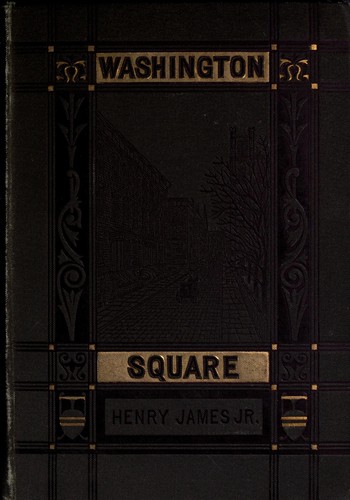 Washington Square
Henry James · 1880
Lvl 4214ppJames's shortest, plainest novel: a plain heiress, a fortune-hunting suitor, and a father who sees through him but can't save his daughter from the seeing.
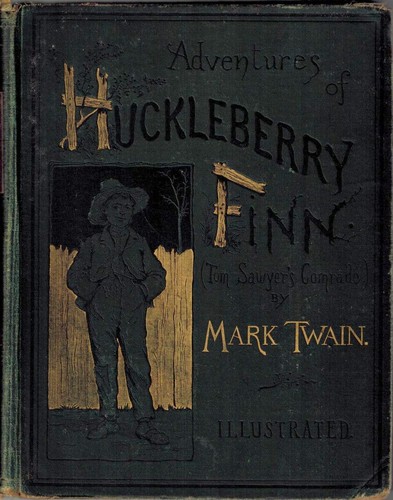 Adventures of Huckleberry Finn
Mark Twain · 1884
Lvl 5366ppTwain puts the whole American vernacular on the page, unfiltered, and sends a boy and an escaped slave down the Mississippi to test everything the country claims to believe.
 The Portrait of a Lady
Henry James · 1881
Lvl 6634ppJames's fullest study of a free American woman who chooses, disastrously, on principle: realism as a trap built entirely out of good intentions.
 The House of Mirth
Edith Wharton · 1905
Lvl 5342ppWharton's Lily Bart plays New York's marriage market by its own rules and loses anyway: the Gilded Age's cruelest, most exact tragedy.
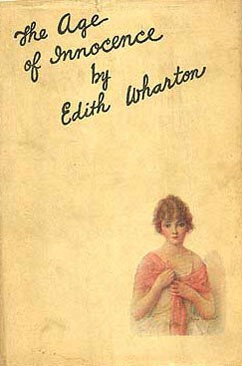 The Age of Innocence
Edith Wharton · 1920
Lvl 4301ppThe capstone: Wharton looks back at 1870s Old New York from the vantage of the 1920s and finds a whole world enforced by unspoken rules, and one man who obeys them at the cost of the woman he loves.