
Contemporary World Fiction
Sebald, Bolaño, Ferrante, Han Kang: the novel now, borderless and restless.
The contemporary novel's home address is everywhere. Sebald invented a form between memoir, history, and fiction to walk through Europe's erasures; Bolaño turned the literary life itself into epic and abyss; Ferrante made a Naples friendship the century's most devoured saga; Krasznahorkai perfected the apocalyptic long sentence.
Translation is the era's engine: Murakami, Han Kang, and Ferrante found readers everywhere at once. If the moment has a signature, it is the blurring of fiction with testimony, essay, and autofiction: the novel absorbing every rival form, as it always has.
How to spot it on the page
- Genre boundaries dissolved: memoir, essay, and testimony folded into the same paragraph as invention
- Long, cumulative sentences building dread clause by clause without a full stop
- Prose built to travel, its rhythms surviving translation intact
- A friendship or intimate relationship scaled up to carry an entire era's history
- Documentary photographs, footnotes, or archival fragments interrupting the narrative surface
- A narrator wandering (on foot, through archives, through decades) rather than plotting toward an end
What it left behind
There's no closing date on a movement still being written: 'contemporary world fiction' just names whatever borderless, form-blurring novel translation is currently carrying furthest. Sebald's walk through erasure, Bolaño's abyss, and Ferrante's Naples have already spawned their own heirs; the real inheritance is permission: testimony, essay, and autofiction now count as raw material the novel can annex without apology.
Defining works
For a guided order with notes, follow the reading path →
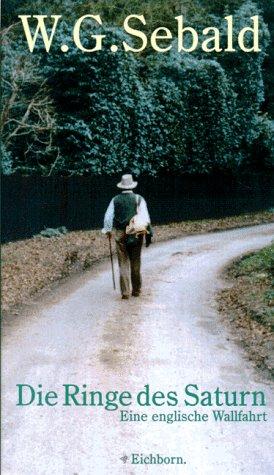
W. G. Sebald · 1995
A walking tour of the Suffolk coast that opens onto herring, silkworms, colonial massacre, and ruin: a new form between essay, memoir, and fiction. Among the most imitated books of the past fifty years; never equaled.
Roberto Bolaño · 2004
Five novels orbiting Santa Teresa and its unsolved murders of women: criticism, madness, boxing, war, and an elusive German novelist. Published posthumously: the twenty-first century's first monument, staring straight into the abyss.
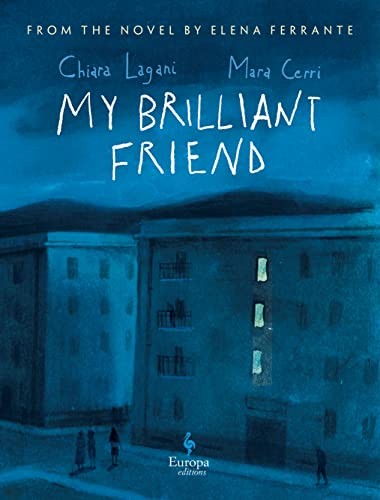
Elena Ferrante · 2011
Lila and Lenù, one poor Naples neighborhood, and the ferocious arithmetic of female friendship: the opening of the Neapolitan Quartet, the century's great word-of-mouth epic. Narrative force critics had declared old-fashioned, vindicated overwhelmingly.
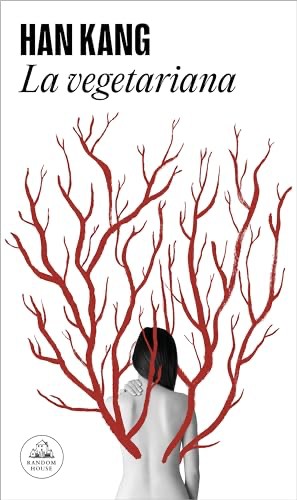
Han Kang · 2007
Yeong-hye stops eating meat, and her quiet refusal detonates through husband, brother-in-law, and sister: violence and the dream of becoming a plant. The International Booker winner that announced Korean fiction to the world.
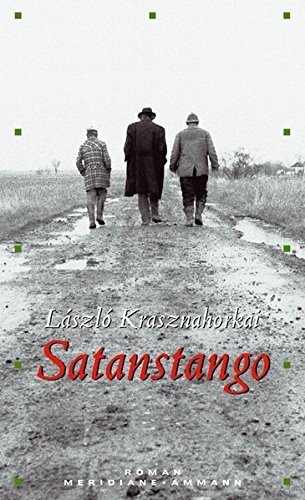
László Krasznahorkai · 1985
A ruined collective farm, a returning con man mistaken for a messiah, and sentences that spiral like the rain that never stops. The apocalyptic long sentence perfected, and, via Béla Tarr, a seven-hour film legend.
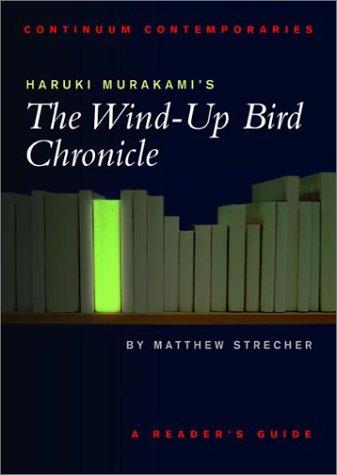
Haruki Murakami · 1994
A missing cat, a missing wife, a dry well, and the buried atrocities of Manchuria surfacing through suburban Tokyo. Murakami's biggest canvas: where his dream-logic meets history and becomes an epic.
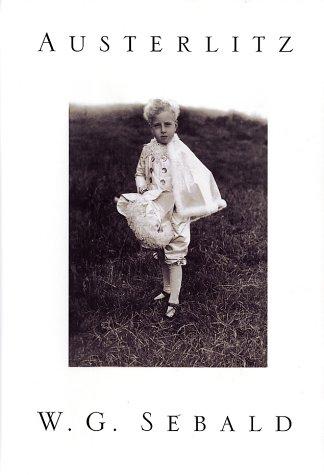
W. G. Sebald · 2001
A man raised in Wales slowly uncovers the Kindertransport childhood taken from him: memory reassembled in train stations and archives. Sebald's only true novel and his masterpiece; published months before his death.
Authors of this movement
 1923–1985Italo CalvinoItalystart with Invisible Cities
 1923–2014Nadine GordimerSouth Africastart with July's People
 1927–2010Harry MulischNetherlandsstart with The Discovery of Heaven
 1929–2008Hugo ClausBelgiumstart with The Sorrow of Belgium
 1929–2023Milan KunderaCzechia / Francestart with The Unbearable Lightness of Being
 1931–2019Toni MorrisonUSAstart with Beloved
 b. 1933Cees NooteboomNetherlandsstart with Rituals
 1933–2023Cormac McCarthyUSAstart with All the Pretty Horses
 b. 1935Thomas KeneallyAustraliastart with Schindler's Ark
 1937–2015Robert StoneUnited Statesstart with Dog Soldiers
 b. 1938Joyce Carol OatesUnited Statesstart with them
 b. 1940J. M. G. Le ClézioFrancestart with Desert
 b. 1940J. M. CoetzeeSouth Africa / Australiastart with Disgrace
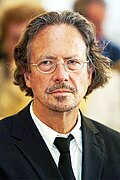 b. 1942Peter HandkeAustriastart with A Sorrow Beyond Dreams
 b. 1942António Lobo AntunesPortugalstart with The Land at the End of the Worldb. 1943Elena FerranteItalystart with My Brilliant Friend
 1943–2012Antonio TabucchiItalystart with Pereira Maintains
 b. 1943Ludmila UlitskayaRussiastart with The Big Green Tent
 b. 1943Peter CareyAustralia / United Statesstart with Oscar and Lucinda
 1944–2001W. G. SebaldGermany / Englandstart with The Rings of Saturn
 b. 1944Richard FordUnited Statesstart with Independence Day
 b. 1945Patrick ModianoFrancestart with Missing Person
 b. 1946Elfriede JelinekAustriastart with The Piano Teacher
 b. 1948Svetlana AlexievichBelarusstart with Secondhand Time
 b. 1948Charles JohnsonUnited Statesstart with Middle Passage
 b. 1948Banu MushtaqIndia (Karnataka)start with Heart Lamp: Selected Stories
 b. 1949Haruki MurakamiJapanstart with Norwegian Wood
 1951–2022Javier MaríasSpainstart with A Heart So Whiteb. 1952Bảo NinhVietnamstart with The Sorrow of War
 b. 1952Orhan PamukTurkeystart with My Name Is Red
 1953–2003Roberto BolañoChile / Mexico / Spainstart with The Savage Detectives
 b. 1954Kazuo IshiguroEngland / Japanstart with The Remains of the Day
 b. 1954László KrasznahorkaiHungarystart with Satantango
 b. 1955Vladimir SorokinRussiastart with Day of the Oprichnik
 b. 1956Michel HouellebecqFrancestart with The Elementary Particles
 b. 1956Mircea CărtărescuRomaniastart with Nostalgia
 b. 1956Percival EverettUnited Statesstart with Erasure
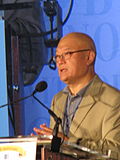 b. 1956Ha JinChina / United Statesstart with Waiting
 b. 1957Richard PowersUnited Statesstart with The Overstory
 b. 1957Geetanjali ShreeIndiastart with Tomb of Sand
 b. 1957Alaa Al AswanyEgyptstart with The Yacoubian Building
 b. 1959Jon FosseNorwaystart with Septology
 b. 1959Jonathan FranzenUnited Statesstart with The Corrections
 b. 1960Jeffrey EugenidesUnited Statesstart with Middlesex
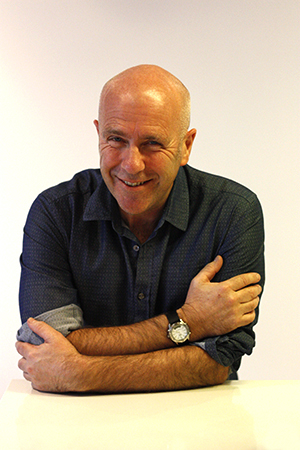 b. 1961Richard FlanaganAustraliastart with The Narrow Road to the Deep North
 b. 1961DBC PierreAustraliastart with Vernon God Little
 b. 1962Olga TokarczukPolandstart with Flightsb. 1962Viktor PelevinRussiastart with Omon Ra
 b. 1962Jennifer EganUnited Statesstart with A Visit from the Goon Squad
 b. 1962Paul BeattyUnited Statesstart with The Sellout
 b. 1963Michael ChabonUnited Statesstart with The Amazing Adventures of Kavalier and Clay
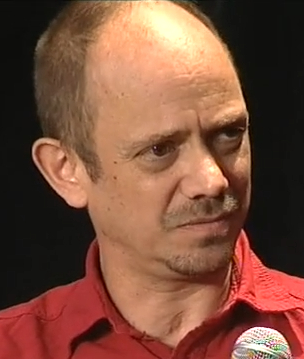 b. 1963Damon GalgutSouth Africastart with The Promise
 b. 1967Jenny ErpenbeckGermanystart with Go, Went, Gone
 b. 1967Jhumpa LahiriUnited Statesstart with Interpreter of Maladiesb. 1967Paul HardingUSAstart with Tinkers
 b. 1967Adam JohnsonUSAstart with The Orphan Master's Son
 b. 1968Georgi GospodinovBulgariastart with Time Shelter
 b. 1968Junot DíazDominican Republic / United Statesstart with The Brief Wondrous Life of Oscar Wao
 b. 1970Marlon JamesJamaicastart with A Brief History of Seven Killings
 b. 1970Han KangSouth Koreastart with The Vegetarian
 b. 1971Mohsin HamidPakistanstart with The Reluctant Fundamentalist
 b. 1971Kiran DesaiIndia / United Statesstart with The Inheritance of Loss
 b. 1971Elif ShafakTurkey / UKstart with The Bastard of Istanbul
 b. 1973Hernán DiazArgentina / United Statesstart with Trust
 b. 1973Juan Gabriel VásquezColombiastart with The Sound of Things Fallingb. 1974Aravind AdigaIndiastart with The White Tiger
 b. 1977Chimamanda Ngozi AdichieNigeriastart with Half of a Yellow Sun
 b. 1978Samanta SchweblinArgentinastart with Fever Dreamb. 1978Jokha AlharthiOmanstart with Celestial Bodies
 b. 1980Joshua CohenUSAstart with The Netanyahus: An Account of a Minor and Ultimately Even Negligible Episode in the History of a Very Famous Family
 b. 1985Eleanor CattonNew Zealandstart with The Luminaries