The Native American Renaissance
Momaday's Pulitzer opens a literature where oral tradition and ceremony become the novel's own form.
N. Scott Momaday's House Made of Dawn won the 1969 Pulitzer, the first novel by a Native writer to do so, and Kenneth Lincoln later named the flowering that followed after it. Momaday fractured chronology and voice to render a Jemez Pueblo veteran's return from war as a kind of ceremony in itself, healing sought through form, not just plot. Leslie Marmon Silko took the method further in Ceremony, weaving Laguna ritual, myth, and a war-damaged veteran's recovery into a single narrative structure where storytelling itself performs the cure it describes.
Louise Erdrich then expanded the movement to novel-length, multigenerational scale: Love Medicine tells one Ojibwe community's interlocking family histories in shifting first-person voices, relocating Faulkner's county to North Dakota and letting oral storytelling's habit of contradiction and retelling structure the whole book. Across the movement, ceremony, oral form, and myth are never folklore added for color; they are the narrative's actual architecture, the only form capable of telling sovereignty, survival, and history from inside rather than as anthropology.
How to spot it on the page
- Fractured chronology used to enact ceremony and healing, not just relay events
- Oral storytelling's habit of contradiction and retelling structuring the whole narrative
- War trauma processed through ritual and myth rather than clinical diagnosis
- A tribal community's interlocking families tracked in shifting first-person voices
- Sovereignty and survival narrated from inside the culture, not as outside anthropology
- Land and landscape treated as an active participant in a character's healing
What it left behind
The movement Momaday opened in 1968 never really closed: Erdrich alone has kept publishing into the 2020s, and each generation since has extended rather than superseded the founders' method. Its core insight, that ceremony and oral form could be the novel's actual structure rather than decoration, reshaped how American fiction treats indigenous material, and gave Native writers control of a story told, for once, entirely from the inside.
Defining works
For a guided order with notes, follow the reading path →
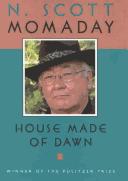
N. Scott Momaday · 1968
A young Pueblo veteran returns from World War II torn between reservation ceremony and the alienation of urban Los Angeles. Momaday's Pulitzer win announced Native American fiction to a mainstream readership.
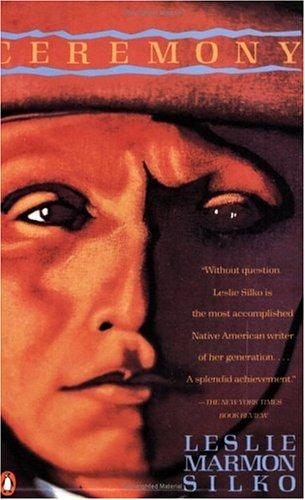
Leslie Marmon Silko · 1977
A mixed-race Laguna Pueblo veteran's war trauma can only be healed by returning to tribal ritual and story. Ancient narrative forms enlisted directly against the wounds of modern warfare.
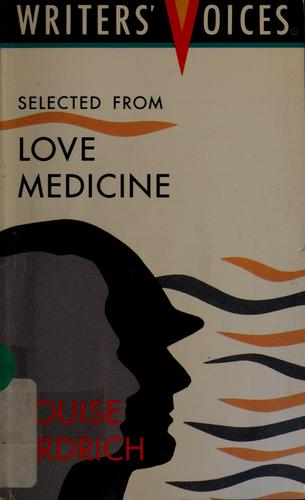
Louise Erdrich · 1984
Two Ojibwe families braid across generations of the reservation in interlocking voices, comic, tragic, and mythic. Erdrich's debut opened a community the American novel had left unwritten.