
Literary Speculation
Science fiction and fable are admitted to the literary canon.
The movement begins inside the wall it would later dismantle. Zamyatin's We (1924), banned in the USSR and smuggled out in manuscript, is the ur-dystopia: a glass city, a numbered self, a State that abolishes imagination. Huxley's Brave New World answered with pleasure instead of terror, and Orwell's Nineteen Eighty-Four made surveillance and doublethink permanent vocabulary. All three were dismissed as genre entertainment even as they set every later writer's terms.
A later generation dismantled the wall by treating the speculative idea as a serious instrument of thought. Ursula K. Le Guin used an androgynous world to interrogate gender; Octavia Butler sent a modern Black woman back into slavery to make history bodily. Margaret Atwood insisted her dystopias contained nothing humans had not already done, and Angela Carter treated the fairy tale as a laboratory for desire and power. The point was never escape: the invented premise is a lever, moving the reader far enough from the familiar to see it plainly.
How to spot it on the page
- A single altered premise (no fixed gender, time travel into slavery, a fertility collapse) taken with total logical seriousness
- Worldbuilding kept spare, just enough apparatus to run the thought experiment
- Contemporary or historical horror relocated to a near-future or alternate setting to be seen plainly
- A protagonist who must physically live inside the idea, not just observe it
- Fable and myth structure standing in for exposition
- The extrapolation always traceable back to something that has already happened
What it left behind
The genre wall these writers dismantled never went back up: literary prize culture now takes the speculative premise as seriously as Le Guin and Atwood always insisted it should be. Butler's embodied history and Atwood's near-future extrapolation are direct ancestors of today's climate fiction and feminist dystopia; the lever they built, use the invented premise to see the familiar plainly, is now standard equipment.
Defining works
For a guided order with notes, follow the reading path →

Yevgeny Zamyatin · 1924
A glass city of numbered citizens ruled by the Benefactor, and one engineer's dangerous stirring of a soul. The first great dystopia, written by a disillusioned Bolshevik: the blueprint Orwell and Huxley would build on.
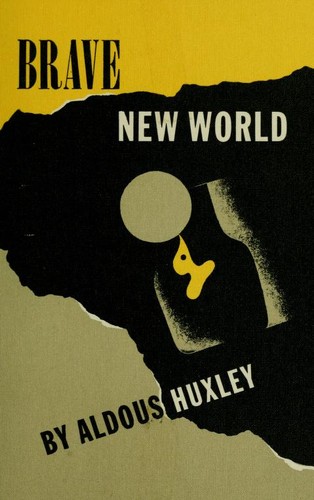
Aldous Huxley · 1932
In a World State that breeds citizens by caste and dissolves discontent with soma and conditioning, a visitor from a reservation exposes what's been engineered out of being human. The century's other great dystopia: happiness enforced instead of terror.
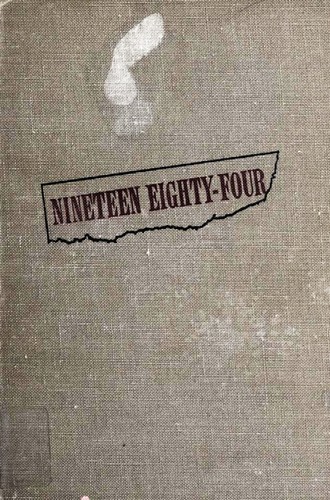
George Orwell · 1949
Big Brother, doublethink, the memory hole, Room 101: a totalitarian future so precisely imagined it became the vocabulary we use for our own. The century's definitive dystopia, and its most quoted.
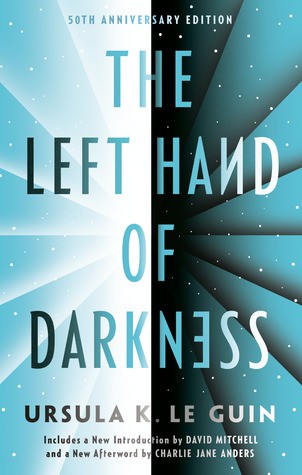
Ursula K. Le Guin · 1969
An envoy visits a frozen planet whose people have no fixed sex, becoming male or female only in cycles. Le Guin's thought experiment reshaped both science fiction and how the novel could interrogate gender.
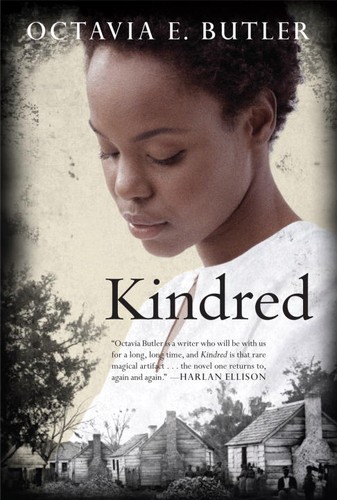
Octavia Butler · 1979
A modern Black woman is pulled repeatedly back to an antebellum Maryland plantation to keep her white ancestor alive. Butler makes slavery bodily and immediate: time travel as the most unbearable kind of proximity.
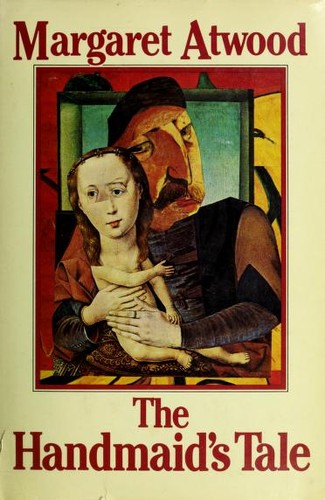
Margaret Atwood · 1985
A theocratic America reduces women to state-owned wombs, narrated by one who remembers freedom. Atwood insisted it contained nothing humans hadn't already done: a dystopia that only grows more cited.
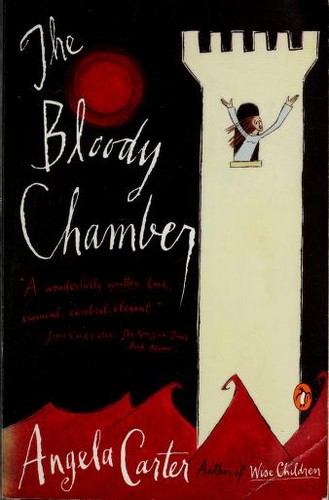
Angela Carter · 1979
Bluebeard, Beauty and the Beast, and Red Riding Hood rewritten as tales of female appetite, danger, and power. Carter's gorgeous, gothic prose turned the fairy tale into a feminist laboratory.
Authors of this movement
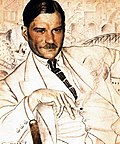 1884–1937Yevgeny ZamyatinRussiastart with We
 1894–1963Aldous HuxleyEnglandstart with Brave New World
 1903–1950George OrwellEnglandstart with Nineteen Eighty-Four
 1928–1982Philip K. DickUnited Statesstart with The Man in the High Castle
 1929–2018Ursula K. Le GuinUnited Statesstart with The Left Hand of Darkness
 b. 1939Margaret AtwoodCanadastart with The Handmaid's Tale
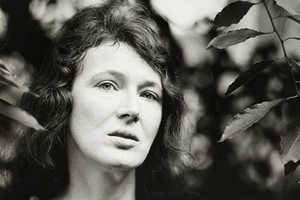 1940–1992Angela CarterEnglandstart with The Bloody Chamber
 1947–2006Octavia ButlerUnited Statesstart with Kindred
 b. 1963Liu CixinChinastart with The Three-Body Problem
 b. 1967Ted ChiangUSAstart with Stories of Your Life and Others
 b. 1977Paul LynchIrelandstart with Prophet Song