
The Contemporary British Novel
The British novel goes historical, multicultural, and formally restless.
After the certainties of empire and the exhaustion of postwar realism, the British novel found new life by looking outward and backward at once. Hilary Mantel rebuilt the historical novel from the inside of Thomas Cromwell's skull; Ian McEwan turned a single misread moment into a lifetime's reckoning; Julian Barnes made memory's unreliability his subject.
The other engine was immigration. Zadie Smith's White Teeth narrated a London remade by its former colonies with comic exuberance, and Kazuo Ishiguro brought a transplanted formal restraint to butlers, clones, and the fog of memory. The island's fiction became, in a generation, both more historical and more plural than it had ever been.
How to spot it on the page
- Historical narrative rebuilt from close inside a real figure's consciousness, present-tense immediacy
- A single small misjudgment expanded to determine an entire lifetime's guilt
- Unreliable memory foregrounded as the novel's explicit, stated subject
- London rendered as a city remade by its former empire, several languages and cuisines on one street
- A formally restrained, transplanted narrator processing English manners from an outsider's remove
- Structural conceits (a diary, a late reveal, a borrowed genre) used to stage the unreliability
What it left behind
The generation that rebuilt the British novel around history and migration hasn't really finished: Mantel's Cromwell trilogy and Smith's London are still the two coordinates newer writers navigate by. What they leave behind is a settled expectation: that British fiction reckon honestly with empire's aftermath and treat memory as unstable evidence rather than a stable record, habits now default rather than argument.
Defining works
For a guided order with notes, follow the reading path →
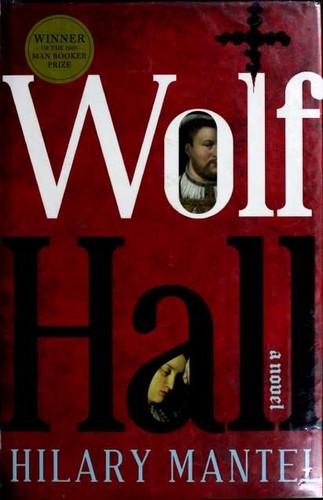
Hilary Mantel · 2009
Thomas Cromwell (blacksmith's son turned Henry VIII's indispensable fixer) narrated from inside his own restless mind in a vivid present tense. Mantel remade the historical novel and won the Booker.
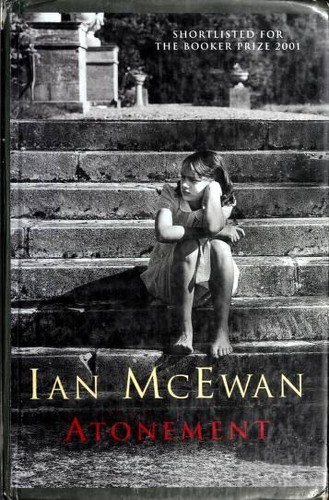
Ian McEwan · 2001
A thirteen-year-old's misreading of one moment sends an innocent man to prison and shadows three lives. McEwan's finest, ending with a twist about fiction's power (and failure) to make amends.

Zadie Smith · 2000
Two wartime friends and their tangled families across decades of postwar London, from Bangladesh to Jamaica to the local pub. A dazzling debut and the great comic novel of the multicultural city.
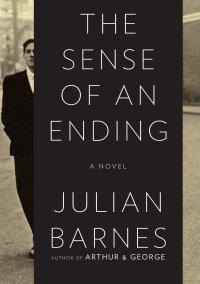
Julian Barnes · 2011
A complacent retiree receives a strange bequest that unravels his tidy account of his own youth. Barnes's Booker winner: a slim, devastating study of how memory flatters, edits, and lies.
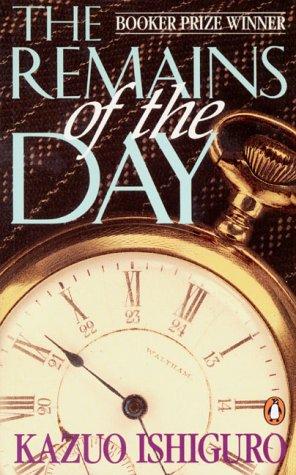
Kazuo Ishiguro · 1989
A butler motors through England defending a life of perfect service to a master history has disgraced. The unreliable narrator's finest hour: dignity, repression, and a love unspoken until too late.
Authors of this movement
 1920–1978Paul ScottEnglandstart with Staying On
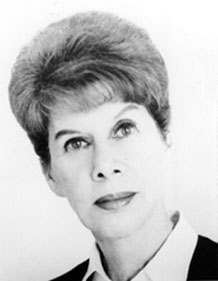 1928–2016Anita BrooknerEnglandstart with Hotel du Lac
 1930–2012Barry UnsworthEnglandstart with Sacred Hunger
 1933–2017David StoreyEnglandstart with Saville
 b. 1933Penelope LivelyEnglandstart with Moon Tiger
 1935–1979J. G. FarrellEnglandstart with The Siege of Krishnapur
 1936–2023A. S. ByattEnglandstart with Possession
 b. 1942Howard JacobsonEnglandstart with The Finkler Question
 b. 1943Pat BarkerEnglandstart with Regenerationb. 1943Rose TremainEnglandstart with The Road Home
 b. 1946Julian BarnesEnglandstart with The Sense of an Ending
 b. 1948Ian McEwanEnglandstart with Atonement
 1949–2023Martin AmisEnglandstart with Money
 b. 1949Graham SwiftEnglandstart with Last Ordersb. 1951Linda GrantEnglandstart with When I Lived in Modern Times
 1952–2022Hilary MantelEnglandstart with Wolf Hall1952–2017Helen DunmoreEnglandstart with A Spell of Winter
 b. 1954Kazuo IshiguroEngland / Japanstart with The Remains of the Day
 b. 1954Alan HollinghurstEnglandstart with The Line of Beauty1956–2019Andrea LevyEnglandstart with Small Island
 b. 1959Bernardine EvaristoEnglandstart with Girl, Woman, Other
 b. 1962Ali SmithScotlandstart with Autumn
 b. 1967Rachel CuskUnited Kingdom / Canadastart with Outlineb. 1972Maggie O'FarrellUnited Kingdomstart with Hamnetb. 1974Naomi AldermanEnglandstart with The Power
 b. 1975Zadie SmithEnglandstart with White Teeth
 b. 1975Samantha HarveyEnglandstart with Orbital