
American Postmodernism
Pynchon, DeLillo, Vonnegut: paranoia, systems, and black comedy in the age of the bomb.
Postwar America's abundance came wired to annihilation, and its novelists responded with encyclopedic black comedy. Heller made war's logic a self-sealing joke ('Catch-22'); Vonnegut met the Dresden firestorm with 'so it goes'; Pynchon built paranoid systems-novels where the plot may be a conspiracy or merely entropy.
DeLillo brought the mode to its cool completion: supermarkets, airborne toxic events, the white noise of mediated life. The shared conviction: systems (corporate, military, informational) now exceed any individual's comprehension, and only excess, irony, and formal play can represent them.
How to spot it on the page
- Encyclopedic length crammed with conspiracy theory, pop culture, and technical jargon
- Black comedy applied directly to atrocity, without softening it
- Paranoid plots where a hidden system may or may not actually exist
- Deadpan catalogues (brand names, acronyms, media static) standing in for texture
- A narrative voice that stays cool and ironic even at the point of horror
- Metafictional asides reminding the reader they're reading a construction
What it left behind
Postmodernism's own irony eventually became the target: by the 1990s writers like David Foster Wallace were accusing the mode of hiding behind its jokes, and 'post-postmodern' sincerity became the next argument. But Pynchon and DeLillo's paranoid systems-novel never really left; it's the direct ancestor of every contemporary conspiracy epic and any fiction that treats information overload itself as the plot.
Defining works
For a guided order with notes, follow the reading path →
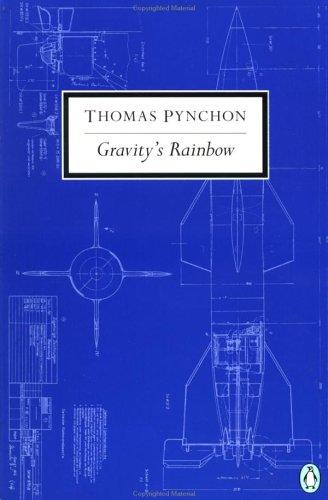
Thomas Pynchon · 1973
V-2 rockets, conditioned desire, and four hundred characters across the ruins of 1945: postmodernism's Everest. The Pulitzer board vetoed its own jury over it; the novel outlived the scandal into permanence.
Thomas Pynchon · 1966
Oedipa Maas executes a dead lover's estate and finds, perhaps, a centuries-old secret postal system. Paranoia's perfect novella: every clue doubles as coincidence, and the auction gavel never falls.
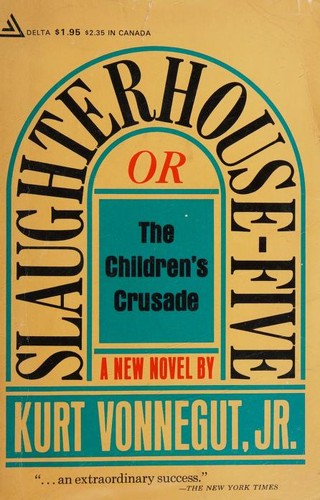
Kurt Vonnegut · 1969
Billy Pilgrim, unstuck in time, shuttles between the Dresden firestorm and an alien zoo. Vonnegut waited twenty-three years to write his war, then met it with a shrug that isn't one: 'so it goes.'
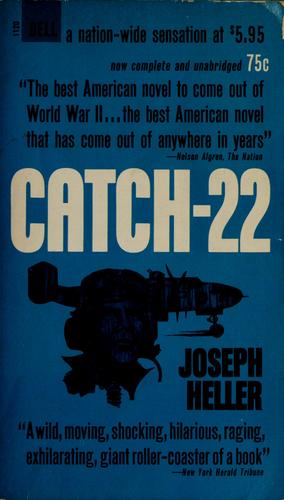
Joseph Heller · 1961
You'd have to be crazy to fly more missions, but asking to stop proves you're sane: the loop that named institutional madness everywhere. War satire so total it added a phrase to the language.
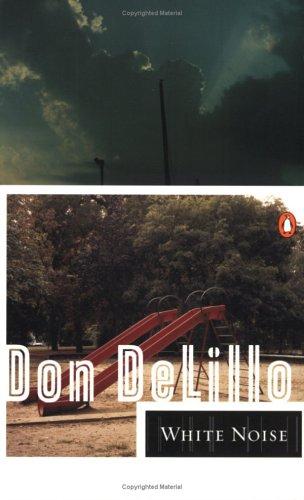
Don DeLillo · 1985
A professor of Hitler Studies, an airborne toxic event, and a drug promising the end of the fear of death. The American 1980s caught whole: supermarket aisles humming with dread and tenderness.
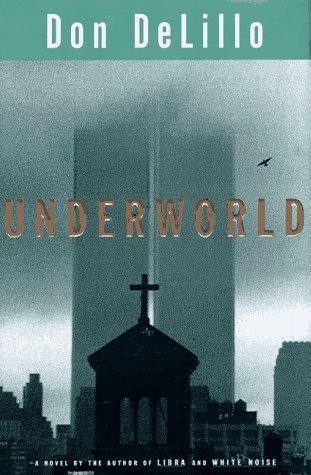
Don DeLillo · 1997
From the 1951 pennant-race homer to desert nuclear tests, tracked backward through the Cold War's garbage and longing. DeLillo's cathedral, regularly voted the great American novel of its half-century.
Authors of this movement
 1899–1977Vladimir NabokovRussia / USAstart with Lolita
 1922–2007Kurt VonnegutUSAstart with Slaughterhouse-Five
 1922–1998William GaddisUnited Statesstart with J R
 1923–1999Joseph HellerUSAstart with Catch-22
 1930–2024John BarthUSAstart with Lost in the Funhouse
 1931–2015E. L. DoctorowUnited Statesstart with Ragtime
 1931–1989Donald BarthelmeUSAstart with Sixty Stories
 1932–2024Robert CooverUSAstart with The Public Burning
 1933–2004Susan SontagUnited Statesstart with In America
 b. 1936Don DeLilloUSAstart with White Noise
 b. 1937Thomas PynchonUSAstart with The Crying of Lot 49b. 1943Steven MillhauserUSAstart with Martin Dressler: The Tale of an American Dreamer
 b. 1946Tim O'BrienUnited Statesstart with The Things They Carried
 1947–2024Paul AusterUnited Statesstart with The New York Trilogy
 b. 1952Michael CunninghamUnited Statesstart with The Hours
 b. 1959William T. VollmannUnited Statesstart with Europe Central
 1962–2008David Foster WallaceUnited Statesstart with Infinite Jest