

Jorge Luis Borges
Argentina
Precise, crystalline sentences that turn philosophical paradox into narrative: encyclopedic, playful, and haunted by libraries, mirrors, and infinite regress.
Blind by his fifties from a hereditary condition, Borges spent decades running a branch library and later Argentina's National Library, guided by the very darkness that ended his eyesight, not his reading. He trained as a poet and essayist in Geneva and Spain before returning to Buenos Aires, where he found his true form: the short prose piece that reads like an encyclopedia entry from an impossible science.
Perón's government demoted him from librarian to poultry inspector for signing an anti-Peronist petition; he resigned rather than comply, then watched the coup that toppled Perón return him to the profession, and to a directorship, in 1955, the same year his blindness became total. He translated Kafka and Woolf into Spanish, co-wrote detective fictions with his friend Bioy Casares under joint pseudonyms, and toured widely as a lecturer once fame arrived late, via The Aleph and Ficciones.
He never wrote a novel, only insisted the form was unnecessary once you'd perfected the paragraph. He died in Geneva, the city of his adolescence, in 1986.
Lines of influence
Their books in the atlas
- 1935
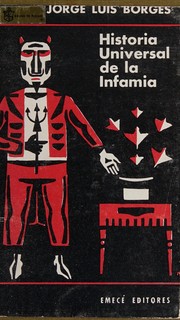 A Universal History of InfamyLvl 5short story collection
 - 1944
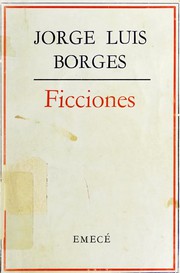 FiccionesLvl 7short story collection
 - 1949
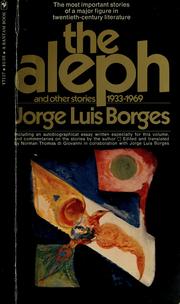 The AlephLvl 7short story collection
 - 1975
 The Book of SandLvl 6short story collection
Meanwhile, elsewhere
 1900–1999Nathalie SarrauteFranceWestern Europe · France
 1900–1989Sándor MáraiHungaryRussia & Eastern Europe · Hungary
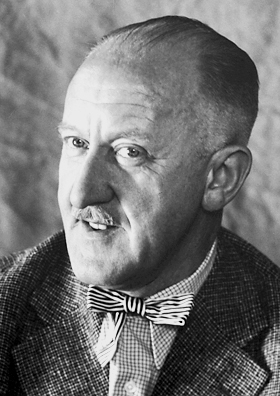 1902–1998Halldór LaxnessIcelandWestern Europe · Iceland
 1902–1991Isaac Bashevis SingerPoland / United StatesNorth America · Poland / United States
 1902–1988Shen CongwenChinaEast Asia · China
 1903–1987Marguerite YourcenarFrance / BelgiumWestern Europe · France / Belgium
If you like Borges, try
 1914–1984Julio CortázarArgentina / Franceshaped by Borges · both shaped Bolaño · kindred genres: philosophical novel, postmodern
 1903–1993Silvina OcampoArgentinashaped by Borges · shared movement: Argentine Fantastic & Metafiction · kindred genres: short story collection
 1914–1999Adolfo Bioy CasaresArgentinashaped by Borges · shared movement: Argentine Fantastic & Metafiction · kindred genres: philosophical novel, speculative fiction
 b. 1949César AiraArgentinashaped by Borges · shared movement: Argentine Fantastic & Metafiction · kindred genres: philosophical novel, speculative fiction
 1941–2017Ricardo PigliaArgentinashaped by Borges · shared movement: Argentine Fantastic & Metafiction · both write in Spanish
 1944–2001W. G. SebaldGermany / Englandshaped by Borges · both shaped by Kafka · kindred genres: postmodern, short story collection