
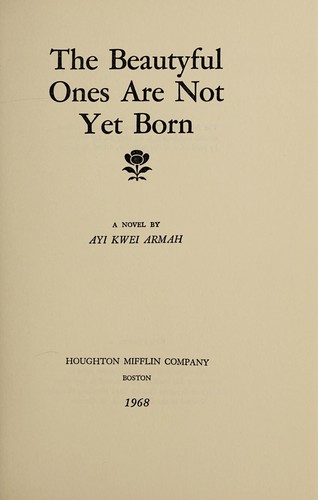
The Beautyful Ones Are Not Yet Born
Ayi Kwei Armah · 1939–2023 · Ghana
Why it matters
An unnamed clerk's refusal to take bribes sets him apart in a newly independent Ghana already rotting with corruption. Postcolonial disillusionment rendered as visceral, physical nausea at a whole society's decay.
At a glance
Relentless, grimy sensory description and an unnamed protagonist demand tolerance for density.
Deep dive
The physical vocabulary of disgust this novel uses to make corruption something you feel in your stomach before you understand it politically.
Written for readers who have finished the book. No plot recap, and nothing here is safe to read first.
Themes & symbolism
Armah renders Ghana's post-independence rot almost entirely through the body: sweat, slime, excrement, and a banister worn slick and foul from years of bribe money sliding across it stand in for a moral condition that the novel refuses to discuss in the abstract language of political failure. The unnamed man's disgust is never intellectualized into argument; it arrives as nausea, as something his own senses register before his conscience does, which is exactly why the novel's title, borrowed from the sign-painted slogan of a coup-era bus, lands as bitter rather than hopeful. The beautiful ones aren't coming; the man's own household treats his integrity as a kind of stupidity, proof that his refusal to take bribes has bought his family nothing but poverty while men like Koomson flourish.
The man's incorruptibility is a kind of martyrdom without a congregation. Nobody around him, not his wife, not his mother-in-law, not the wider social fabric, actually admires what he's doing; he's simply an oddity who has made everyone poorer through his own stubbornness, and Armah is unsentimental about how isolating moral consistency is when the entire surrounding system has normalized theft as the only sane response to scarcity. Independence itself functions here as the great unmet promise: Nkrumah's Ghana was supposed to have thrown off exactly this kind of extraction, and instead reproduced it wholesale, with new faces skimming the same old surplus.
Armah's prose keeps returning to specific textures, rot on wood, the stickiness of communal handrails, the smell of a bathroom nobody bothers to clean, until disgust stops being a metaphor the reader has to decode and becomes something closer to a shared physical sensation. That refusal to let corruption stay comfortably abstract is what makes the novel feel less like a political tract than an assault on the senses, which is exactly the register Armah wants: independence didn't just fail politically, it failed at the level of everyday bodily experience, in bathrooms and buses and office corridors long before it failed in any parliament.
Koomson and the shape of the road not taken
Koomson, the man's old schoolfriend turned wealthy, corrupt minister, is less a villain than a mirror showing what the man's own life could have been had he made one different, ordinary decision at any point along the way. Their strained friendship isn't built on hatred but on the discomfort of proximity: Koomson's wealth is a constant, silent argument against the man's choices, and the man's continued decency is a constant, silent argument against Koomson's, neither man able to fully dismiss the other's version of a life well lived. The man's own wife measures her husband against Koomson's success without ever quite saying so, which is its own quiet cruelty, and Armah lets that domestic friction carry as much weight as anything happening in government offices.
The last seal: what actually happens, and why it lands the way it does.
The ending, explained
After the 1966 coup, a fictionalized echo of Nkrumah's real overthrow, Koomson is hunted as a disgraced official and comes crawling to the man's own household for shelter. The man helps him escape, in a scene of deliberate physical debasement, through a latrine hole, literalizing the novel's filth imagery at the exact moment it might have offered moral clarity instead. Helping Koomson doesn't redeem him and doesn't cleanse the man either; it's simply what decency does when asked, without any promise of consequence. The new government that follows shows every sign, in the novel's closing pages, of reproducing the same corruption under new management, denying the reader the relief of believing anything has actually changed.
Where to go next
 Ayi Kwei Armah · 1973Two Thousand SeasonsLvl 7Slow burn
 Wole Soyinka · 1975Death and the King's HorsemanLvl 6Medium pace
 Chinua Achebe · 1958Things Fall ApartLvl 4Medium pace
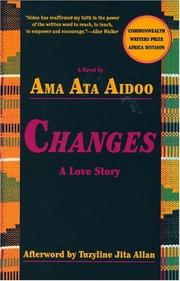 Ama Ata Aidoo · 1991ChangesLvl 3Medium pace
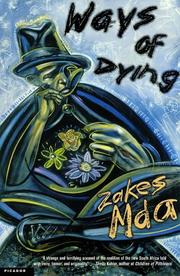 Zakes Mda · 1995Ways of DyingLvl 5Medium pace
 Ngũgĩ wa Thiong'o · 1967A Grain of WheatLvl 6Slow burn