
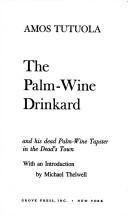
The Palm-Wine Drinkard
Amos Tutuola · 1920–1997 · Nigeria
Why it matters
An idle narrator journeys into the Yoruba spirit world seeking his dead palm-wine tapster, encountering ghosts, gods, and monsters along the way. Self-invented English poured directly from oral folklore, opening the door African fiction in English would walk through.
At a glance
Idiosyncratic, ungrammatical invented English and dreamlike episodic logic take adjustment.
Deep dive
Why the narrator crosses into death itself just to keep drinking with his tapster, and what it means that salvation, when it arrives, comes in the shape of an egg.
Written for readers who have finished the book. No plot recap, and nothing here is safe to read first.
Themes & symbolism
The narrator's quest inverts the usual shape of an underworld journey: he doesn't go to death to rescue anyone, only to keep drinking with him, and Deads' Town turns out to run on a law no bargain can undo — the dead stay dead, full stop. What he brings back instead is a magical egg, an inherited object rather than an earned prize, and its power to conjure food and drink (and, later, to end a famine) is folkloric compensation, not personal transformation. Tutuola isn't building toward a Western hero's growth; the plot rewards proximity to power, not character change, because in the tale-logic he's working from, that was never the point of the errand.
Identity itself stays liquid the whole way through: the narrator dies and returns, is swallowed and reborn, turns into a canoe or a bird to survive an episode, and picks up titles — 'Father of gods who could do anything in this world' — the way other heroes pick up scars. That plasticity is native to the oral tradition Tutuola is transcribing, where transformation is a survival tactic rather than a crisis of self. And it's palm wine, not love or glory, that sets the whole machine running: 225 kegs a day, a dedicated tapster employed purely to keep him drunk, an appetite so total that its loss — the one loss the egg can never fix — is what actually drives the book.
An English Built From Scratch
Tutuola, a self-taught Yoruba writer with almost no formal English education, wrote the novel in a matter of days, straight through, in a language that ignores standard grammar, tense, and idiom wholesale — closer to Yoruba syntax poured directly into English words than to any received literary style. In Britain it was received as a sensation: reviewers praised its strange, incantatory momentum and it was read as something genuinely new in world fiction. At home the reception split hard — some Nigerian critics and intellectuals were embarrassed by it, arguing that a broken, unedited English handed straight to a European audience risked confirming exactly the colonial caricature of African 'primitivism' that a national literature needed to refuse. That argument over who gets to authorize a voice as authentic rather than deficient has followed the book ever since.
Deads' Town and the Logic of Orature
The novel doesn't build toward a single climax because it isn't structured as a novel in the European sense — it's a chain of self-contained folktale episodes (the Skull-faced gentleman, the Bush of Ghosts, the famine solved by the egg) stitched onto a picaresque frame borrowed from Yoruba storytelling, where episodes accumulate rather than resolve. Read against that tradition rather than against the expectations of realist fiction, the book's refusal to tidy itself into cause and payoff isn't a structural weakness; it's the same accumulative grammar that lets an oral tale run as long as its audience keeps listening.
Where to go next
 Amos Tutuola · 1954My Life in the Bush of GhostsLvl 5Fast paced
 Chinua Achebe · 1958Things Fall ApartLvl 4Medium pace
 Wole Soyinka · 1975Death and the King's HorsemanLvl 6Medium pace
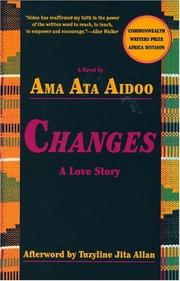 Ama Ata Aidoo · 1991ChangesLvl 3Medium pace
 Ayi Kwei Armah · 1968The Beautyful Ones Are Not Yet BornLvl 6Slow burn
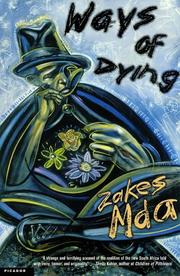 Zakes Mda · 1995Ways of DyingLvl 5Medium pace