
The Victorian Novel
Serialized, capacious, morally urgent: the English novel at full power.
Published in monthly parts to a mass readership, the Victorian novel had to entertain and instruct at once. Dickens made the city itself a character and social reform a plot engine; the Brontës brought volcanic feeling to the domestic novel; George Eliot gave English fiction its deepest moral intelligence.
Middlemarch is the movement's summit: a 'study of provincial life' that treats ordinary choices with the gravity other ages reserved for kings. The Victorians proved the novel could be both popular entertainment and the most serious available account of how people live together.
How to spot it on the page
- Sprawling casts threaded through a whole city or county's worth of plot
- Serialized cliffhangers timed to a monthly deadline
- An intrusive, moralizing narrator who addresses the reader directly
- Coincidence and inheritance doing the plot's heavy lifting
- Marriage as the engine that decides a woman's entire fate
- Social criticism delivered through incident, never through essay
What it left behind
The triple-decker died with the serial market that fed it, but its ambitions didn't. Modernists like Woolf rebelled against its tidy plotting while keeping its moral seriousness; the social novel ever since, from Zadie Smith's London to Franzen's Midwest, still borrows its trick of making one family's choices carry a whole society's weight.
Defining works
For a guided order with notes, follow the reading path →
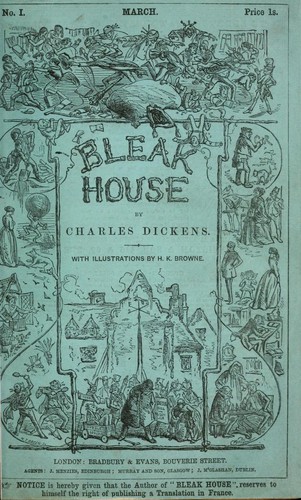
Charles Dickens · 1853
A lawsuit that devours generations, fog as the first character, and a double narration decades ahead of its time. The summit of Dickens's social vision: the novel as indictment of an entire system.
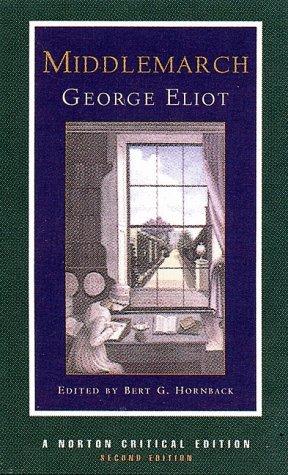
George Eliot · 1872
Routinely named the greatest English novel: a whole provincial town, and in Dorothea and Lydgate the most sympathetic study ever written of high intentions meeting ordinary life. Its final sentence about 'unhistoric acts' is the realist credo entire.
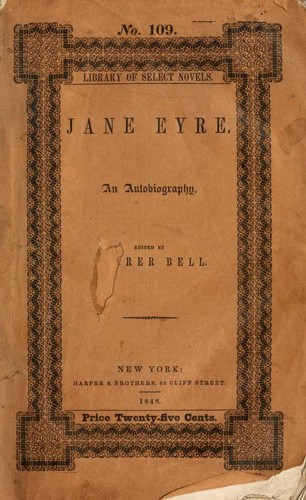
Charlotte Brontë · 1847
'Reader, I married him': the first great novel where a poor, plain woman's inner voice commands the story. Passion, principle, and the madwoman in the attic: Victorian fiction's most electric first person.
Thomas Hardy · 1891
'A pure woman,' the subtitle insisted, and Victorian England raged. Hardy's Wessex tragedy (innocence destroyed by men, class, and cosmic bad luck) pushed the novel's sympathy past what its age could bear.
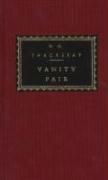
William Makepeace Thackeray · 1848
Ruthless, charming Becky Sharp claws her way up Regency society while her sweeter friend Amelia clings to a worthless husband. Thackeray's 'novel without a hero,' narrated by a puppeteer who refuses to let anyone off easy, remains satire's sharpest anatomy of social climbing.
Authors of this movement
 1810–1865Elizabeth GaskellEnglandstart with North and South
 1811–1863William Makepeace ThackerayEnglandstart with Vanity Fair
 1812–1870Charles DickensEnglandstart with Great Expectations
 1815–1882Anthony TrollopeEnglandstart with Barchester Towers
 1816–1855Charlotte BrontëEnglandstart with Jane Eyre
 1818–1848Emily BrontëEnglandstart with Wuthering Heights
 1819–1880George EliotEnglandstart with Middlemarch
 1824–1889Wilkie CollinsEnglandstart with The Woman in White
 1840–1928Thomas HardyEnglandstart with Tess of the d'Urbervilles
 1865–1936Rudyard KiplingEnglandstart with Kim