
Italian Realism & Verismo
Manzoni, Verga, Pirandello: the Italian novel finds a nation, then dissolves the self.
Manzoni's The Betrothed gave a not-yet-unified Italy its founding historical novel and, in the process, helped standardize the modern Italian language. Verga's verismo pushed realism toward Sicily's fishermen and peasants, observed with an almost anthropological refusal to moralize.
Pirandello then turned the same unsparing eye inward, dissolving the stable self the realists had assumed: a man declared legally dead who must invent a new identity, a self fractured into 'one, no one, and one hundred thousand.' Italian fiction moved, in a single century, from founding a nation's story to questioning whether anyone has just one.
How to spot it on the page
- Regional dialect and peasant speech folded into a standardizing literary Italian
- Sicilian fishing villages and rural poverty observed with anthropological distance, no moralizing aside
- A historical setting used explicitly to forge a still-unformed national identity
- Identity treated as legally assignable, then stripped away by bureaucratic accident
- A single self splintering into multiple, mutually exclusive versions of itself
- Irony directed at provincial custom without ever condescending to it
What it left behind
Verismo's anthropological gaze exhausted itself by the 1900s, but Pirandello picked up exactly where it left off and turned the same unsparing eye inward: from documenting a fixed rural world to dissolving the fixed self entirely. His fractured identities anticipate absurdist and postmodern fiction's whole preoccupation with the unstable self, while Manzoni's nation-building historical novel became the template Italy's regionalists kept revising.
Defining works
For a guided order with notes, follow the reading path →
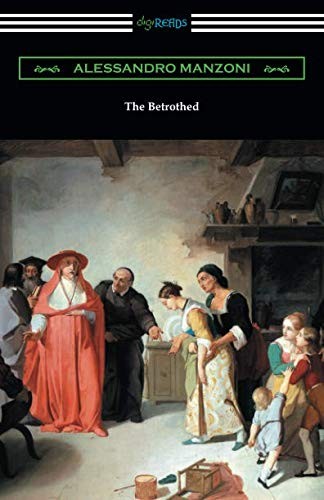
Alessandro Manzoni · 1827
Two peasant lovers are separated by a tyrannical lord and swept through plague, famine, and war in seventeenth-century Lombardy. The founding classic of the Italian novel and, in its revised prose, a template for the modern Italian language itself.
Giovanni Verga · 1881
A Sicilian fishing family's attempt to improve their lot ends in ruin, narrated with an almost documentary refusal to moralize. The founding novel of Italian verismo, and a direct model for neorealist cinema decades later.
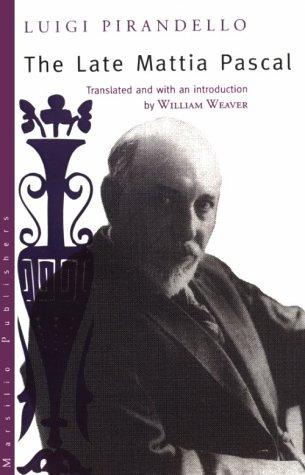
Luigi Pirandello · 1904
A man mistakenly declared dead seizes the freedom to invent a new identity, and discovers that a self with no fixed name or past is its own kind of prison. Pirandello's first great meditation on the instability of identity.


