

Charlotte Brontë
England
Urgent and confiding, the narrator speaking straight to the reader's ear: plain diction charged with a barely contained emotional intensity.
Charlotte Brontë lost her mother young and, at eight, two older sisters to tuberculosis after a brutal charity school she later reimagined as Jane Eyre's Lowood. She worked as a governess and teacher, hating both, before she and her sisters Emily and Anne pooled savings to self-publish poetry under male pseudonyms (Currer, Ellis, and Acton Bell) that sold almost nothing.
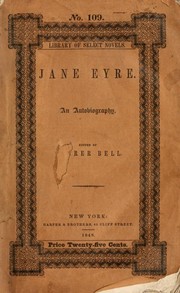
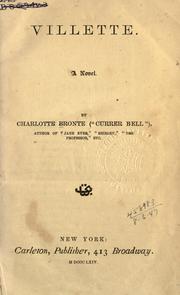
Jane Eyre (1847), published under the same disguise, became an instant sensation and moral controversy for its heroine's plain-spoken defiance. Within little more than a year she buried her brother Branwell and both surviving sisters to tuberculosis, and finished Villette largely alone. She married her father's curate in 1854 and died the following year, during a difficult pregnancy, at thirty-eight.
Lines of influence
No ancestors recorded: a headwater.
Their books in the atlas
Meanwhile, elsewhere
 1812–1891Ivan GoncharovRussiaRussia & Eastern Europe · Russia
 1804–1864Nathaniel HawthorneUnited StatesNorth America · United States
 1811–1896Harriet Beecher StoweUnited StatesNorth America · United States
 1818–1883Ivan TurgenevRussiaRussia & Eastern Europe · Russia
 1809–1852Nikolai GogolUkraine / RussiaRussia & Eastern Europe · Ukraine / Russia
 1819–1891Herman MelvilleUSANorth America · USA
If you like Brontë, try
 1818–1848Emily BrontëEnglandshared movement: The Victorian Novel · kindred genres: gothic, romance · same region & era
 1819–1880George EliotEnglandshared movement: The Victorian Novel · kindred genres: bildungsroman, psychological novel · same region & era
 1890–1979Jean RhysUnited Kingdom / Dominicashaped by Brontë · kindred genres: gothic, psychological novel
 1810–1865Elizabeth GaskellEnglandshared movement: The Victorian Novel · kindred genres: bildungsroman, romance · same region & era
 1824–1889Wilkie CollinsEnglandshared movement: The Victorian Novel · kindred genres: gothic · same region & era
 1850–1894Robert Louis StevensonScotlandkindred genres: gothic, bildungsroman · neighboring movements · same region & era