

George Eliot
England
Expansive and analytical, the narrator pausing to reason alongside the reader: sympathy delivered through patient, almost scientific attention to motive.
Mary Ann Evans lost her Evangelical faith in her twenties, translating Strauss and Feuerbach's skeptical theology into English and editing the radical Westminster Review in a London literary world normally closed to women. In 1854 she began an openly unmarried life with the critic George Henry Lewes, already married to someone else: a scandal that cost her family's speaking terms but gave her, she said, the settled happiness to finally write fiction.
She didn't publish a novel until thirty-seven, under a male pseudonym chosen partly to escape assumptions about 'women's writing.' Middlemarch (1871–72), her panoramic study of a provincial town, is generally read as the summit of the form in English. Lewes died in 1878; she married a much younger friend, John Cross, in 1880 and died within months.
Lines of influence
Their books in the atlas
- 1860
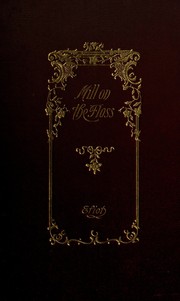 The Mill on the FlossLvl 5bildungsroman
 - 1872
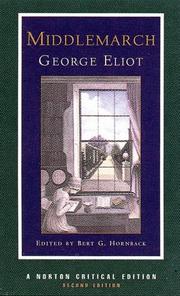 MiddlemarchLvl 6family saga
Meanwhile, elsewhere
 1818–1883Ivan TurgenevRussiaRussia & Eastern Europe · Russia
 1812–1891Ivan GoncharovRussiaRussia & Eastern Europe · Russia
 1819–1891Herman MelvilleUSANorth America · USA
 1811–1896Harriet Beecher StoweUnited StatesNorth America · United States
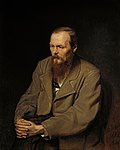 1821–1881Fyodor DostoevskyRussiaRussia & Eastern Europe · Russia
 1828–1910Leo TolstoyRussiaRussia & Eastern Europe · Russia
If you like Eliot, try
 1840–1928Thomas HardyEnglandshaped by Eliot · shared movement: The Victorian Novel · kindred genres: psychological novel, tragedy
 1775–1817Jane AustenEnglandshaped Eliot · neighboring movements
 1816–1855Charlotte BrontëEnglandshared movement: The Victorian Novel · kindred genres: bildungsroman, psychological novel · same region & era
 1810–1865Elizabeth GaskellEnglandshared movement: The Victorian Novel · kindred genres: bildungsroman, tragedy · same region & era
 1812–1870Charles DickensEnglandshared movement: The Victorian Novel · kindred genres: bildungsroman, family saga · same region & era
 1850–1894Robert Louis StevensonScotlandkindred genres: bildungsroman, psychological novel · neighboring movements · same region & era