

Rudyard Kipling
England
Compact, kinetic storytelling with a reporter's ear for spoken idiom: prose so confident it can make machinery, animals, and empires talk.
Kipling was born in Bombay, torn from it at five for a wretched foster childhood in England, and returned at sixteen to work as a newspaperman in Lahore, where Plain Tales from the Hills made him famous across the English-speaking world by twenty-three.
The 1890s brought The Jungle Book, years in Vermont, and a run of stories and verse no contemporary matched for sheer command; Kim (1901) distilled everything he knew and loved of India. The Nobel came in 1907, when he was forty-one, the youngest winner then or since, and he repeatedly refused a knighthood and the laureateship.
His son John, whose army commission Kipling had pulled strings to secure, died at Loos in 1915; the grief runs under everything he wrote after. He died in 1936, his craft never in dispute, his imperial politics argued over ever since.
Lines of influence
No ancestors recorded: a headwater.
Their books in the atlas
- 1888
 Plain Tales from the HillsLvl 5short story collection
 - 1894
 The Jungle BookLvl 3short story collection
 - 1897
 Captains CourageousLvl 4bildungsroman
 - 1901
 KimLvl 5picaresque
 - 1902
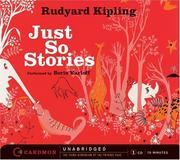 Just So StoriesLvl 2short story collection
Meanwhile, elsewhere
 1862–1937Edith WhartonUSANorth America · USA
 1861–1941Rabindranath TagoreIndia (Bengal)South Asia · India (Bengal)
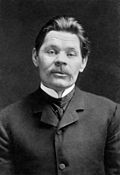 1868–1936Maxim GorkyRussiaRussia & Eastern Europe · Russia
 1870–1953Ivan BuninRussiaRussia & Eastern Europe · Russia
 1871–1945Theodore DreiserUnited StatesNorth America · United States
 1873–1947Willa CatherUnited StatesNorth America · United States
If you like Kipling, try
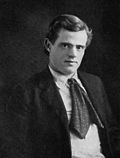 1876–1916Jack LondonUSAshaped by Kipling
 1840–1928Thomas HardyEnglandshared movement: The Victorian Novel · same region & era
 1824–1889Wilkie CollinsEnglandshared movement: The Victorian Novel · same region & era
 1815–1882Anthony TrollopeEnglandshared movement: The Victorian Novel · same region & era
 1812–1870Charles DickensEnglandshared movement: The Victorian Novel · same region & era
 b. 1948Banu MushtaqIndia (Karnataka)kindred genres: colonial & postcolonial, short story collection · neighboring movements