American Realism & the Gilded Age
After the Civil War, American fiction turns to vernacular speech, money, and the frontier's edge.
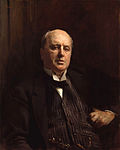
After the Civil War, American fiction turned to the vernacular and to money. Mark Twain put a boy's actual spoken idiom on the page in Adventures of Huckleberry Finn, dialect and moral confusion rendered with total fidelity; Hemingway later claimed all modern American literature comes from that one book. Henry James took the opposite tack, refining the international novel of consciousness, sending American innocents to Europe and tracking every flicker of perception with a syntax as intricate as the social traps his heroines walk into.
Edith Wharton anatomized old New York's marriage market from the inside, and The House of Mirth watches a woman of taste and no money get crushed by a society that manufactures exactly her kind of beauty and has no use for it once it can't be spent. Willa Cather turned the same realist rigor toward the vanishing frontier, elegizing immigrant prairie life in My Ántonia with a clarity neither sentimental nor cold. Between Twain's vernacular, James's syntax, and Wharton and Cather's social precision, American fiction found its own realist instrument.
How to spot it on the page
- Vernacular, dialect-true speech given full literary dignity, not comic relief
- An American innocent tested against Old World manners and money
- Marriage and inheritance tracked as a woman's entire economic fate
- The frontier and immigrant prairie life elegized just as it vanishes
- Perception rendered in syntax as intricate as the social trap it describes
- Moral confusion left morally unresolved rather than tidily punished or rewarded
What it left behind
The Gilded Age's fortunes and the frontier's last open land both closed out around the same years its novelists were writing, and American fiction's center of gravity shifted to the city and the moderns after. But Twain's vernacular authority, James's interior syntax, and Wharton's social precision became the realist toolkit Fitzgerald, Hemingway, and the Lost Generation inherited wholesale, money and manners still the American novel's great subject.
Defining works
For a guided order with notes, follow the reading path →
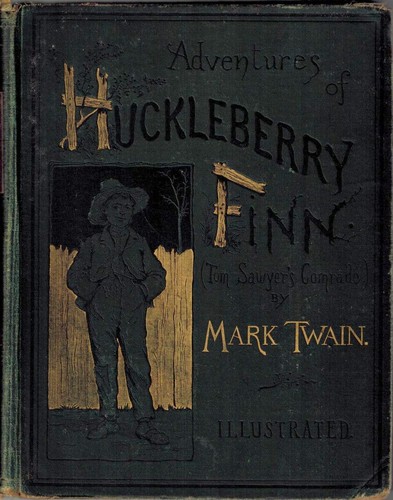
Mark Twain · 1884
A boy and an escaped enslaved man on a raft down the Mississippi: the vernacular voice put at the center of American literature. Huck's 'All right, then, I'll go to hell' is the American conscience's finest sentence.
Henry James · 1881
Isabel Archer, 'affronting her destiny,' chooses freely and chooses her own cage: the novel of consciousness coming into full power. James's midnight-vigil chapter of her thinking is a hinge in fiction's history.
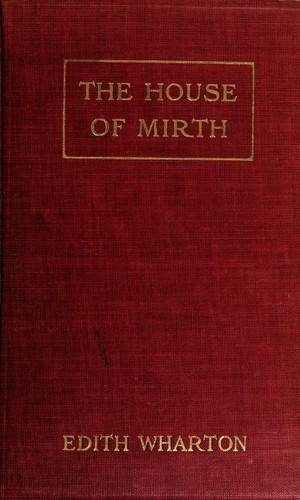
Edith Wharton · 1905
Lily Bart, beautiful and almost ruthless enough, is priced out of old New York marriage market by degrees. Society as a machine for destroying women who hesitate: Wharton's coldest, finest tragedy.
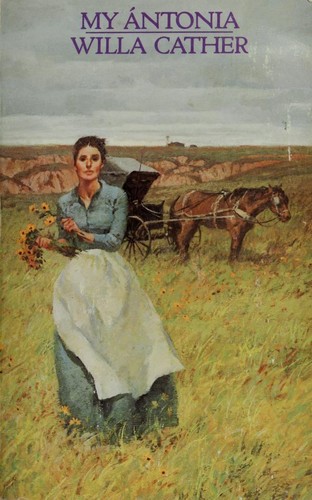
Willa Cather · 1918
A Bohemian immigrant girl remembered across a lifetime by the boy who loved her, on the Nebraska prairie. Cather turns the frontier into a lost country of light and land: the great American pastoral elegy.