
Naturalism
Zola pushes realism to its logical extreme: heredity, environment, and the experimental novel.
Zola declared the novelist a scientist: place characters of known temperament in documented conditions and record the inevitable result. His twenty-volume Rougon-Macquart cycle traced one family's blood through mines, markets, theaters, and slums of Second Empire France.
Naturalism's determinism could be crude, but its documentary ambition transformed what fiction could show: industrial labor, alcoholism, prostitution, the crowd as a character. Germinal remains one of the great political novels, and naturalism's DNA runs through Dreiser, Steinbeck, and every social-problem novel since.
How to spot it on the page
- Characters whose fate is sealed by heredity and environment before the plot even starts
- Industrial settings rendered with a reporter's exhaustive detail: mines, markets, slums
- Crowds and mobs that behave as a single organism
- Bodily appetite and degradation shown without euphemism
- A narrator who diagnoses rather than sympathizes
- Documentary research worn openly on the page
What it left behind
Naturalism's strict determinism aged badly, but its nerve didn't: it's the reason fiction was allowed to look at factories, addiction, and poverty at all. Dreiser and Steinbeck Americanized its method; every social-problem novel and piece of journalism-adjacent fiction since is still running Zola's original experiment: put a person in documented conditions and watch what happens.
Defining works
For a guided order with notes, follow the reading path →
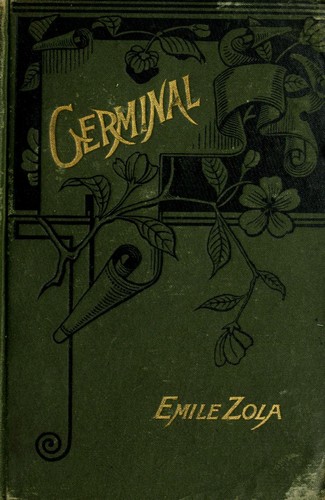
Émile Zola · 1885
The great novel of industrial labor: a coal miners' strike rendered with documentary fury and mythic scale, the mine itself a devouring god. Its final image of germination made it a banner for every workers' movement since.
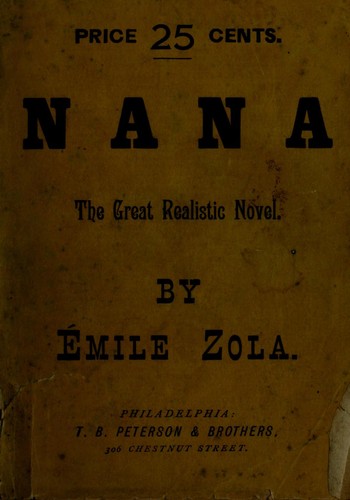
Émile Zola · 1880
A courtesan rises through Second Empire Paris and brings it down with her: desire as social solvent. Naturalism's most scandalous performance, and its most prophetic: the Empire's collapse is written in its pleasures.
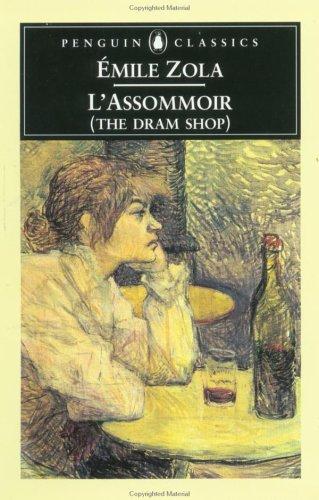
Émile Zola · 1877
A hardworking laundress's slow ruin by drink and poverty in a Paris slum: naturalism's most devastating case study, so unflinching about alcoholism and squalor that it scandalized readers who thought Zola had gone too far even for him.
Authors of this movement
 1840–1902Émile ZolaFrancestart with Germinal
 1840–1928Thomas HardyEnglandstart with Tess of the d'Urbervilles
 1845–1900Eça de QueirósPortugalstart with The Maias
 1850–1893Guy de MaupassantFrancestart with Bel-Ami
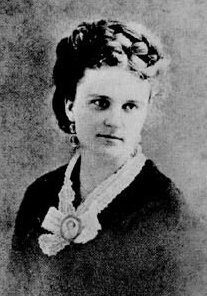 1850–1904Kate ChopinUnited Statesstart with The Awakening
 1852–1901Leopoldo Alas "Clarín"Spainstart with La Regenta
 1857–1943Henrik PontoppidanDenmarkstart with Lucky Per
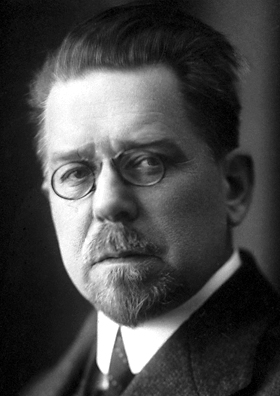 1867–1925Władysław ReymontPolandstart with The Peasants
 1870–1902Frank NorrisUnited Statesstart with McTeague
 1871–1900Stephen CraneUnited Statesstart with The Red Badge of Courage
 1871–1945Theodore DreiserUnited Statesstart with Sister Carrie
 1876–1916Jack LondonUSAstart with The Call of the Wild
 1878–1968Upton SinclairUnited Statesstart with The Jungle
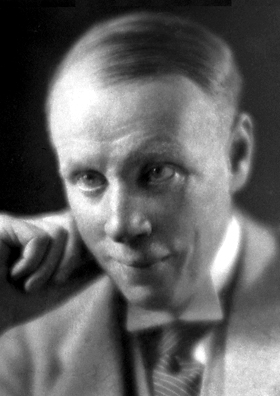 1885–1951Sinclair LewisUnited Statesstart with Babbitt