
The Soviet Century
Masterpieces written for the desk drawer: Russian literature under and against the state.
After 1917, Russian literature split: some writers emigrated (Nabokov), some were silenced or destroyed (Babel, Mandelstam), and some wrote in secret. The greatest Soviet-era novels were unpublishable in their time: Bulgakov's Master and Margarita, with the Devil loose in atheist Moscow, circulated only after his death.
Grossman's Life and Fate, seized by the KGB, set Stalingrad beside the Gulag and called both totalitarianisms by one name; Solzhenitsyn's day in a labor camp cracked the silence open in 1962. This is literature written at the highest possible stakes: proof of the form's stubborn, subversive power.
How to spot it on the page
- Manuscripts written for the drawer, with no expectation of publication
- Satire smuggled past censors inside fantastical or historical disguise
- The state's machinery (camps, interrogations, denunciations) rendered from lived detail
- Devils, ghosts, or the fantastic used to say what realism couldn't get past a censor
- Documentary precision about atrocity, stated plainly rather than dramatized
- A narrator's silence or omission as loud as anything said outright
What it left behind
The Soviet Union's collapse finally let its buried literature surface: Grossman's Life and Fate was published only in 1980, decades after the KGB seized it. What survives is a standing argument for fiction's stakes: nothing since has matched writing produced under the direct threat that the manuscript itself was evidence enough to be shot for.
Defining works
For a guided order with notes, follow the reading path →
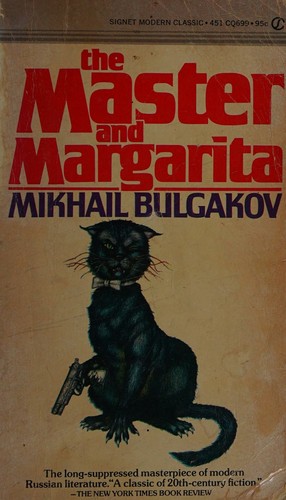
Mikhail Bulgakov · 1967
The Devil arrives in atheist Moscow with a gun-toting cat; Pilate interrogates Yeshua; a witch flies over the city. Written in secret, published a generation late, and instantly the best-loved Russian novel of its century. 'Manuscripts don't burn.'
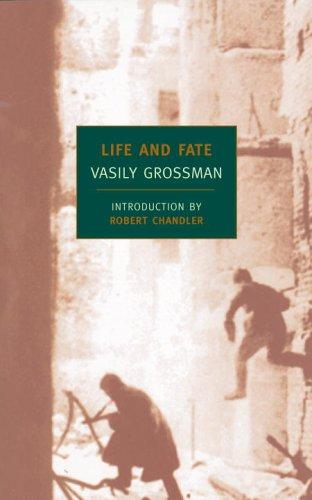
Vasily Grossman · 1980
Stalingrad, the Shoah, and the Gulag in one Tolstoyan canvas, with the forbidden thesis that the two totalitarianisms mirrored each other. The KGB 'arrested' the manuscript; a smuggled microfilm saved the century's great Russian novel.
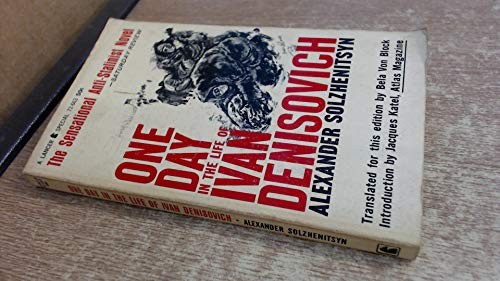
Aleksandr Solzhenitsyn · 1962
One almost-good day in a labor camp, told in the zek's own idiom. Khrushchev personally approved publication; the Gulag's silence broke in a single morning. Few books have altered history more directly.
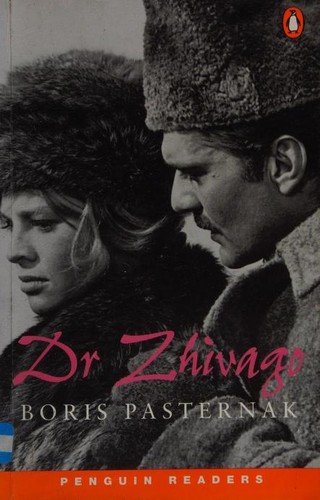
Boris Pasternak · 1957
A poet-physician carried by revolution, civil war, and a love called Lara: the individual soul asserted against history's machinery. Smuggled to the West, it won a Nobel the Soviet state forced Pasternak to refuse.
Authors of this movement
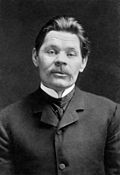 1868–1936Maxim GorkyRussiastart with Mother
 1890–1960Boris PasternakRussiastart with Doctor Zhivago
 1891–1940Mikhail BulgakovUkraine / Russiastart with The Master and Margarita
 1894–1940Isaac BabelRussia / Ukrainestart with Red Cavalry
 1899–1977Vladimir NabokovRussia / USAstart with Lolita
 1899–1951Andrei PlatonovRussiastart with The Foundation Pit
 1899–1960Yuri OleshaUSSR (Ukraine)start with Envy
 1905–1964Vasily GrossmanUkraine / Russiastart with Life and Fate
 1905–1984Mikhail SholokhovRussiastart with And Quiet Flows the Don
 1907–1982Varlam ShalamovRussiastart with Kolyma Tales
 1918–2008Aleksandr SolzhenitsynRussiastart with One Day in the Life of Ivan Denisovich
 1938–1990Venedikt YerofeevUSSRstart with Moscow-Petushki