
The Harlem Renaissance & After
Black American literature claims the modern novel: from Harlem's flowering to Ellison and Baldwin.
In 1920s Harlem, a generation of Black writers, painters, and musicians declared cultural independence. Zora Neale Hurston fused anthropology and lyricism, writing Black Southern speech as high art; Nella Larsen anatomized the psychic costs of the color line with modernist precision.
The tradition deepened at mid-century: Ellison's Invisible Man turned Black experience into the great American modernist epic, and Baldwin brought confessional fire and essayistic clarity to fiction. Together they forced American literature to confront what it had been built on, and gave it some of its permanent masterpieces.
How to spot it on the page
- Black vernacular speech rendered as literary language, not dialect for comic relief
- Passing and the color line explored as internal psychological drama
- Music (jazz, blues, spirituals) structuring a scene's rhythm
- A narrator negotiating double consciousness in real time
- Northern migration and the city as a site of reinvention
- Essayistic, confessional intensity breaking directly into the fiction
What it left behind
The Renaissance's flowering was cut short by the Depression, but the tradition regrouped and deepened at mid-century rather than dying: Ellison and Baldwin inherited its urgency and gave it new scale. Their combined legacy runs straight through Toni Morrison, Colson Whitehead, and every American novel since that treats Black interior life as the main event, not a subplot.
Defining works
For a guided order with notes, follow the reading path →
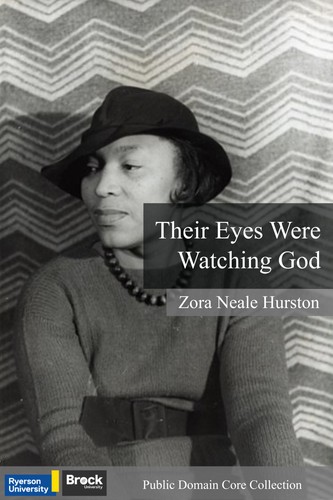
Zora Neale Hurston · 1937
Janie Crawford's three marriages and her arrival at her own voice, in folk speech raised to poetry. Out of print for decades, revived into the canon: the Harlem Renaissance's essential novel.
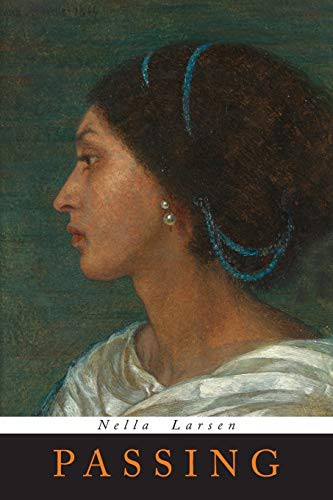
Nella Larsen · 1929
Two light-skinned Black women, one living as white, circle each other with mounting fascination, envy, and danger across 1920s Harlem and Chicago. A hundred pages of controlled ambiguity: race, desire, and threat braided so tightly critics still argue what finally happens between them.
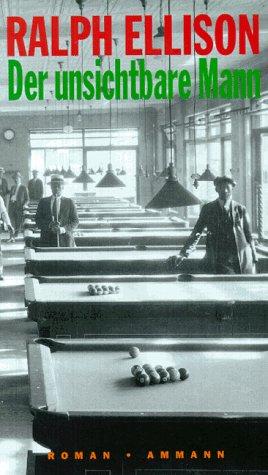
Ralph Ellison · 1952
From a Southern college to a Harlem basement wired with 1,369 bulbs: the great American novel of identity, refusing every role offered it. One book, twenty years of American literature's center of gravity.
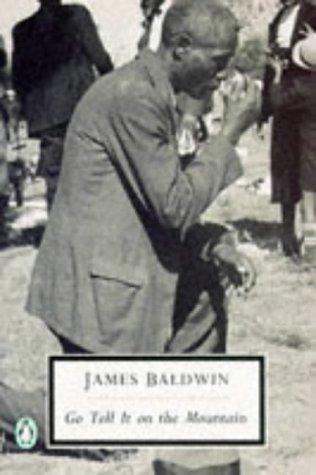
James Baldwin · 1953
One Saturday in a Harlem storefront church, three generations' worth of sin and flight pressing on a boy at the altar. Baldwin's autobiographical first novel: Pentecostal fire disciplined into classic form.
Authors of this movement
 1889–1948Claude McKayJamaica / USAstart with Home to Harlem
 1891–1960Zora Neale HurstonUSAstart with Their Eyes Were Watching God
 1891–1964Nella LarsenUSAstart with Passing
 1894–1967Jean ToomerUSAstart with Cane
 1908–1960Richard WrightUnited Statesstart with Native Son
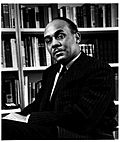 1913–1994Ralph EllisonUSAstart with Invisible Man
 1924–1987James BaldwinUSA / Francestart with Giovanni's Room