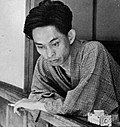
Japanese Modernism & Aesthetics
Sōseki to Kawabata: the Japanese novel negotiates between tradition and the modern West.
Meiji Japan absorbed the Western novel in a single generation, and its writers immediately made the form their own. Sōseki anatomized the isolated modern self with dry humor and quiet devastation; Akutagawa compressed moral vertigo into perfect short stories; Tanizaki played light against shadow, modern surfaces against the pull of older pleasures.
Kawabata distilled the tradition into fiction of almost unbearable delicacy: snow country landscapes, tea ceremonies, desire rendered in negative space. His Nobel (Japan's first) confirmed what these writers proved: that the novel could be thoroughly modern without being Western.
How to spot it on the page
- Quiet devastation delivered under dry, understated humor
- Moral vertigo compressed into a handful of perfect pages
- Traditional aesthetics (tea ceremony, kimono, geisha house) set against modern Western surfaces
- Negative space where what goes unsaid carries more than what's spoken
- Seasons and landscape doing a scene's emotional work instead of exposition
- Restraint treated as a moral position, not merely a style
What it left behind
Japan's single-generation absorption of the Western novel closed with Kawabata's droplet-precise fiction, but the argument passed straight to the postwar writers who inherited both the taste for restraint and the will to break it: Mishima's classicism, Abe's cool parables, Ōe's rawness. Kawabata's negative-space technique, where silence does the emotional work, resurfaces in Ishiguro's butlers and any fiction that trusts a reader with what it refuses to say.
Defining works
For a guided order with notes, follow the reading path →
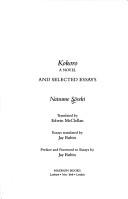
Natsume Sōseki · 1914
A student, an enigmatic Sensei, and a long confession of guilt from Japan's turn into the modern age. The most widely read serious novel in Japan: loneliness as the price of the new era, weighed exactly.
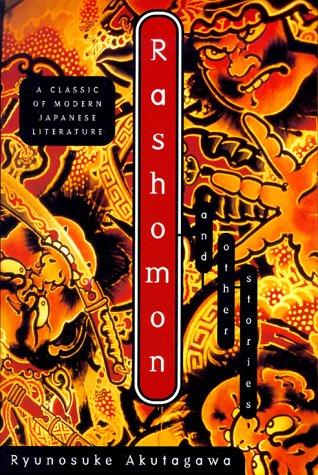
Ryūnosuke Akutagawa · 1915
'In a Grove' gives one crime four irreconcilable testimonies: the story behind Kurosawa's Rashōmon and the shorthand 'Rashōmon effect.' Akutagawa's jewel-cut tales made moral vertigo a Japanese specialty.
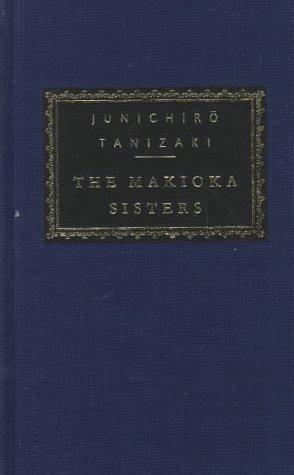
Jun'ichirō Tanizaki · 1948
Four Osaka sisters, a fading merchant house, and the seasonal rituals of a world about to vanish into war. Serialized under wartime censorship and finished after it: the Japanese novel at its most sumptuous and elegiac.
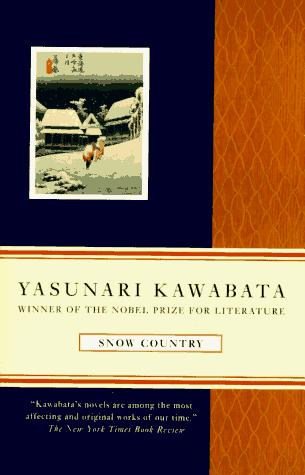
Yasunari Kawabata · 1947
A Tokyo dilettante and a hot-spring geisha, in a landscape where 'the earth lay white under the night sky.' Prose distilled toward haiku: the book most often handed to readers seeking Japanese literature's essence.
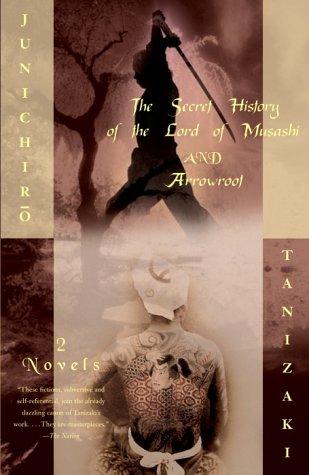
Jun'ichirō Tanizaki · 1929
A dying marriage suspended between Western modernity and the pull of old Japan: a puppet theater, an Osaka mistress, a choice deferred. Tanizaki's own conversion westward-to-eastward, staged as fiction.