
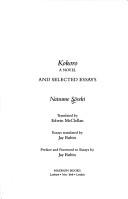
Kokoro
Natsume Sōseki · 1867–1916 · Japan
Originally Kokoro (Japanese)
Why it matters
A student, an enigmatic Sensei, and a long confession of guilt from Japan's turn into the modern age. The most widely read serious novel in Japan: loneliness as the price of the new era, weighed exactly.
At a glance
Clear, measured prose, though its confessional structure rewards careful reading.
Deep dive
Why 'kokoro' — heart, mind, the innermost self — names exactly what this novel spends two-thirds of its length refusing to show you.
Written for readers who have finished the book. No plot recap, and nothing here is safe to read first.
Themes & symbolism
The novel's three-part architecture tracks a widening loss of certainty: the student narrator's provincial idealism runs up against Sensei's guarded melancholy in Part One, his own father's slow death offers a quieter, communal counter-model of dying in Part Two, and Sensei's confessional letter in Part Three retroactively rewrites everything the reader thought they understood about him. Kokoro — heart, mind, the innermost self — names exactly what the book withholds until its final pages.
Sensei's decision to secretly propose to Ojōsan behind his friend K's back is the novel's central case study in what Sōseki elsewhere called jiko hon'i, ego-centered individualism: a modern, private self asserting its own desire against the older obligations of friendship and disclosure. The guilt that follows isn't remorse for breaking a rule so much as the permanent residue of having discovered he has a self separable from his community's expectations — a distinctly Meiji anxiety, new selfhood arriving with no ethics yet built to carry it.
General Nogi's real 1912 ritual suicide following the Emperor Meiji's death supplies Sensei with something his private guilt alone never could: a public precedent. Sōseki uses actual history as an external clock for an internal reckoning, letting the death of an era give Sensei permission — even instruction — to finally answer for a debt he has held since youth.
K, Sensei, and Ojōsan
K, Sensei's earnest, ascetically self-disciplined housemate, confides that he has fallen in love with Ojōsan, their landlady's daughter. Rather than support him, Sensei — jealous, and afraid of losing her — secretly asks the landlady for her hand first, presenting K with the engagement as a fait accompli. K kills himself days later, leaving a note that assigns no explicit blame, a silence Sensei experiences as more damning than any accusation could have been. Sensei marries Ojōsan afterward but never tells her why K died, protecting her from the truth at the cost of sealing himself permanently inside it — a marriage built, from the wedding night onward, around a secret only one of them knows exists.
The last seal: what actually happens, and why it lands the way it does.
The ending, explained
Sensei's letter arrives as the narrator is traveling to his dying father's bedside, prompting him to abandon the vigil and rush to Tokyo — but the letter itself reveals it is being sent as a suicide note, timed to General Nogi's junshi (ritual suicide in the emperor's honor) rather than to any new crisis. Sensei explains the full history with K, confesses he has lived for decades believing himself unfit for connection, and frames his death as belonging to a passing era's ethics rather than the modern one his young protégé represents. The novel ends on the letter itself, withholding whether the narrator reaches him in time — Sensei's confession, not his fate, is the point.
Where to go next
 Natsume Sōseki · 1906I Am a CatLvl 6Medium pace
 Ryūnosuke Akutagawa · 1915Rashōmon and Other StoriesLvl 5Fast paced
 Jun'ichirō Tanizaki · 1925NaomiLvl 4Fast paced
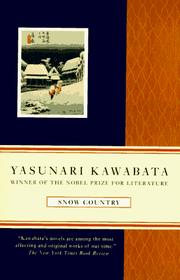 Yasunari Kawabata · 1947Snow CountryLvl 5Slow burn
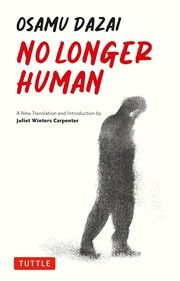 Osamu Dazai · 1948No Longer HumanLvl 4Medium pace
 Ōgai Mori · 1911The Wild GooseLvl 3Slow burn