
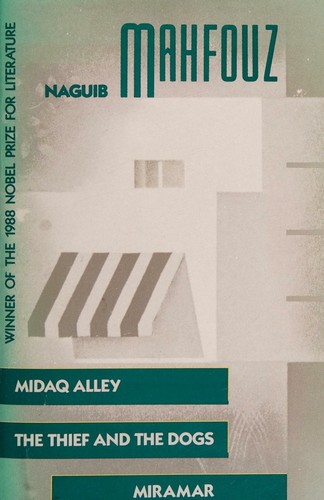
Midaq Alley
Naguib Mahfouz · 1911–2006 · Egypt
Originally Zuqaq al-Midaqq (Arabic) · translated by Trevor Le Gassick
Why it matters
One Cairo alley during the Second World War (a barber, a matchmaker, a beauty tempted toward the British camps). Mahfouz's most loved early novel: the world in a hundred meters of street.
At a glance
Compact, plainly told ensemble piece with a straightforward chronology.
Deep dive
Everyone in one Cairo alley is trying to escape it by a different route, and Mahfouz is watching what wartime money changes about what escape even means for each of them.
Written for readers who have finished the book. No plot recap, and nothing here is safe to read first.
Themes & symbolism
Hamida wants glamour and money above every other option the alley offers her, and refuses both Abbas al-Hilw's modest devotion and an arranged match to the much older Salim Alwan. Abbas leaves the alley for higher wages at a British army camp near the Suez Canal, believing money is the one currency that might finally win her. Mahfouz sends both of them out of Midaq Alley chasing the same wartime economy toward opposite fates, since the alley itself can no longer hold what either of them wants.
The alley's ensemble supplies the texture of what staying looks like: Kirsha the café owner running an opium trade and conducting affairs with young men his wife tolerates only in public silence, Zaita the professional 'cripple-maker' who mutilates beggars for a fee to make them more profitable, pious Radwan Hussainy absorbing the neighborhood's grief without ever being able to fix its causes. Mahfouz uses this small, self-contained economy of survival, begging, procurement, petty trade, as a portrait of Egypt's own compromised position under wartime British occupation, where nearly everyone ends up monetizing whatever they still have left to sell.
Ibrahim Faraj, the elegant procurer who seduces Hamida with the promise of the glamorous life she wants, delivers her instead into prostitution serving British and American soldiers under the name Titi. Mahfouz lets her arc indict a specific kind of predation, one made possible only by foreign military presence and the sudden cash economy it brings with it, in which glamour and exploitation turn out to use the same door.
Salim Alwan, the wealthy, ailing merchant whose proposal Hamida rejects, offers her the alley's other, more conventional exit: a comfortable marriage bought with a lifetime of respectability rather than romance. Mahfouz treats her refusal as the hinge of the whole novel, since choosing neither Abbas's devotion nor Alwan's security in favor of a gamble on Faraj is what actually determines which kind of ruin eventually finds her, not fate or wartime chaos alone but a specific, legible choice made with her eyes open.
Zaita's Trade in Ruined Bodies
Zaita's business, deliberately maiming healthy men so they can earn more as beggars, is the novel's bleakest possible metaphor for what poverty forces people to sell: not labor or dignity but the body's own soundness, damaged on demand for a fee. Mahfouz places his workshop just off the alley's main thoroughfare, close enough that everyone knows what happens there and far enough that no one has to look directly at it, an arrangement the whole alley's moral economy depends on.
The last seal: what actually happens, and why it lands the way it does.
The ending, explained
Abbas returns to Cairo on leave and finds Hamida in a soldiers' tavern; when she lies that Faraj abducted her, he is initially ready to believe it, but seeing her surrounded by British and American soldiers he cannot control his rage and throws a glass at her face. The brawl that follows kills him at the soldiers' hands while his friend Hussain looks on without intervening. Hamida survives, eventually finding her way back into some uneasy contact with her adoptive mother, while the rest of the alley absorbs Abbas's death the way it absorbs everything else, and returns within days to its ordinary rhythms as if nothing permanent has happened at all.
Where to go next
 Naguib Mahfouz · 1956Palace WalkLvl 4Medium pace
 Naguib Mahfouz · 1957Palace of DesireLvl 5Medium paceNaguib Mahfouz · 1957Sugar StreetLvl 5Medium pace
 Naguib Mahfouz · 1959Children of the AlleyLvl 7Slow burn
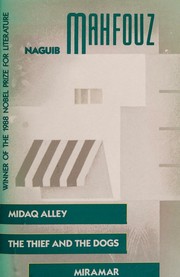 Naguib Mahfouz · 1961The Thief and the DogsLvl 6Fast paced
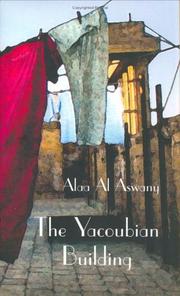 Alaa Al Aswany · 2002The Yacoubian BuildingLvl 4Fast paced