
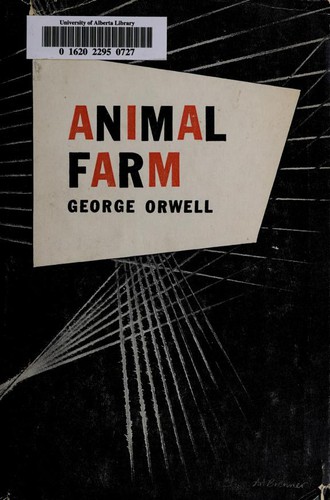
Animal Farm
George Orwell · 1903–1950 · England
Why it matters
A barnyard revolution curdles into tyranny: 'all animals are equal, but some are more equal than others.' Orwell's fable of the Russian Revolution betrayed remains the sharpest short parable of how idealism is hijacked.
At a glance
A short, clean fable written for maximum clarity and speed.
Deep dive
Why the farm's founding document keeps losing words one at a time, and what Orwell is arguing about how a revolution curdles into the very thing it overthrew.
Written for readers who have finished the book. No plot recap, and nothing here is safe to read first.
Themes & symbolism
Orwell builds the novel's engine out of the widening gap between the Seven Commandments as first painted on the barn wall and what they've become by the final page, and the mechanism doing the widening is always the same: not open repeal but a single word slipped in overnight. "No animal shall drink alcohol" becomes "No animal shall drink alcohol to excess," "No animal shall sleep in a bed" becomes "...with sheets," and each revision arrives with Squealer already standing by to explain, in the reasonable, patient tone of a schoolteacher, why the animals must simply be misremembering. Squealer, not Napoleon, is the novel's real villain: violence secures the farm, but persuasion is what keeps the other animals from noticing they've lost it.
Boxer supplies the labor that rebuilds the windmill twice over and the two private maxims, "Napoleon is always right" and "I will work harder," that let him do it without ever once questioning who benefits. When his strength finally gives out, the van that arrives to take him away is marked as belonging to a horse slaughterer, and the pigs' announcement that he died peacefully in a hospital is the novel's cruelest single lie, timed to a memorial speech and a crate of whisky bought with the proceeds. Boxer's devotion isn't stupidity so much as the specific vulnerability every regime built on Squealer's methods needs: a working class trained to trust the leadership's account of events over its own eyes.
Real History Wearing Animal Faces
Orwell wrote the book as a direct fable of the Russian Revolution's betrayal, and the correspondences are close enough to function as a key rather than an inspiration: Old Major fuses Marx and Lenin, Napoleon is Stalin, Snowball is Trotsky, driven off the farm by nine attack dogs Napoleon has secretly raised from puppies, exactly as Trotsky was exiled and then written out of Soviet history and blamed for every subsequent failure. The sheep's chant of "Four legs good, two legs bad," trained by Squealer to drown out any debate at the crucial moment, mirrors the mass chanting that shut down argument at real Party congresses, and the farm's late trade deals with the neighboring farmers Pilkington and Frederick track the Soviet Union's own opportunistic alliances, including the pact with Hitler that Stalin's regime found itself just as quickly betraying.
The last seal: what actually happens, and why it lands the way it does.
The ending, explained
The novel's final scene gathers the remaining animals outside the farmhouse windows to watch Napoleon and the other pigs dining and playing cards with a delegation of human farmers, the pigs now walking upright, wearing clothes, and carrying whips, indistinguishable in manner and appetite from the men Animal Farm was founded to overthrow. Napoleon and the human farmer Pilkington, mid-toast, are caught cheating each other at cards, and Orwell closes on the animals outside straining to tell pig from man through the window and failing: the two faces have become one face. The revolution's promise, that the working animals would inherit the farm, dies not in a single betrayal but through the accumulation of a hundred small ones, each justified in Squealer's voice as loyalty to Animalism's original spirit.
Where to go next
 George Orwell · 1949Nineteen Eighty-FourLvl 4Fast paced
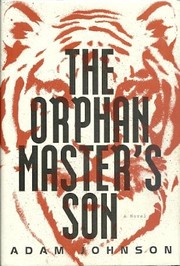 Adam Johnson · 2012The Orphan Master's SonLvl 6Fast paced
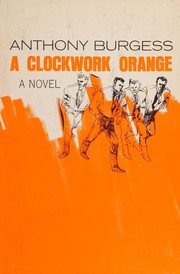 Anthony Burgess · 1962A Clockwork OrangeLvl 7Fast paced
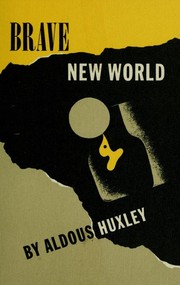 Aldous Huxley · 1932Brave New WorldLvl 4Medium pace
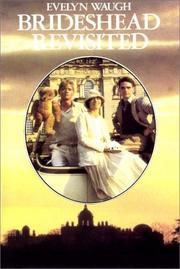 Evelyn Waugh · 1945Brideshead RevisitedLvl 5Medium pace
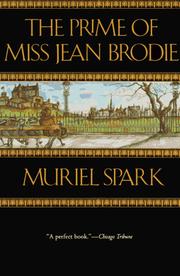 Muriel Spark · 1961The Prime of Miss Jean BrodieLvl 4Fast paced