
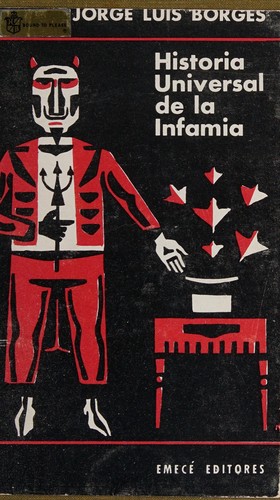
A Universal History of Infamy
Jorge Luis Borges · 1899–1986 · Argentina
Originally Historia universal de la infamia (Spanish)
Why it matters
Seven pulpy 'biographies' of real gangsters, pirates, and impostors, each embellished past all fact into pure invention. Borges's first fiction, half journalism and half hoax, already rehearsing the games with forgery and false authorship that Ficciones would perfect.
At a glance
Breezy, pulp-inflected prose makes this the most approachable entry point into Borges.
Deep dive
How Borges builds his earliest fictions out of other people's crime reports, and where in this shameless catalogue of thieves and impostors he starts writing something no source book actually said.
Written for readers who have finished the book. No plot recap, and nothing here is safe to read first.
Themes & symbolism
Seven biographies fill this book, and Borges invented none of the men and women in them: Lazarus Morell, the Mississippi preacher running a slave theft racket disguised as an underground railroad; Tom Castro, the Australian butcher who nearly inherited an English fortune by claiming to be a drowned baronet; the widow Ching, commanding a pirate fleet off the Chinese coast after her husband's death; Bill Harrigan, Borges's name for Billy the Kid, whose body count he quietly inflates; and Hakim, the masked prophet of Merv, hiding a ruined face behind gold cloth for years. Each life comes from a documented source, an encyclopedia entry, a court record, a Twain travelogue, and Borges's real subject is what a fact survives once a stylist takes it over.
Every retelling performs the same reversal: Borges narrates murder, fraud, and piracy in the high, mannered prose usually reserved for saints' lives, so a slave trafficker or a knife happy gunman comes out sounding like a figure of tragic stature rather than a common criminal. The irony never announces itself. It sits entirely in the gap between the sentence's dignity and the act it's describing, and that gap, rather than any twist of plot, is the actual content of each story.
The Bibliography That Confesses the Forgery
The book ends with an index of sources: real histories, real encyclopedias, and titles that don't exist anywhere outside this page. Borges is showing his own workings, admitting that Lazarus Morell and Tom Castro are real historical men whose lives he has rearranged, embroidered, and in places simply lied about, while daring the reader to spot where the citation stops being true. It is the first appearance of a device his mature fiction will run for decades: the footnote staged so convincingly that the line between research and invention becomes the actual subject.
Man on Pink Corner, the One Story He Made Up
Only the closing piece, Man on Pink Corner, has no source at all. Told in the clipped orillero slang of Buenos Aires's old outer barrios, it restages a knife duel between the tough Francisco Real and the local favorite Rosendo Juárez, who backs down in front of his own woman, La Lujanera, and vanishes in apparent disgrace. The story's unnamed narrator, a bystander nobody has bothered naming until the final lines, quietly reveals that he is the one who knifed Real in the dark, not Rosendo at all: for one story out of seven forged from documents, Borges invents the crime, the criminal, and the cover story all at once.
Where to go next
 Jorge Luis Borges · 1944FiccionesLvl 7Slow burn
 Jorge Luis Borges · 1949The AlephLvl 7Slow burn
 Jorge Luis Borges · 1975The Book of SandLvl 6Fast paced
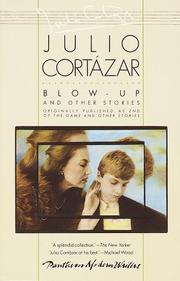 Julio Cortázar · 1959Blow-Up and Other StoriesLvl 6Medium pace
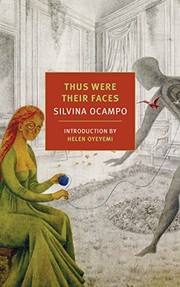 Silvina Ocampo · 1959Thus Were Their FacesLvl 5Fast paced
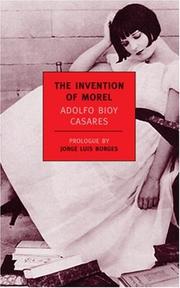 Adolfo Bioy Casares · 1940The Invention of MorelLvl 5Fast paced