
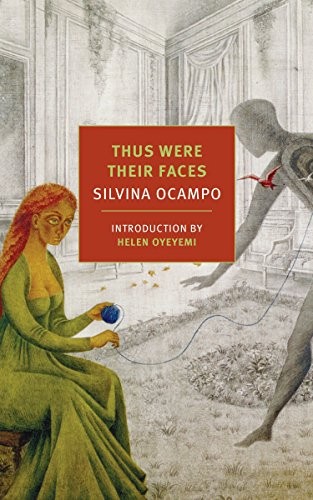
Thus Were Their Faces
Silvina Ocampo · 1903–1993 · Argentina
Originally Thus Were Their Faces (Spanish) · translated by Daniel Balderston
Why it matters
Uncanny tales of malevolent children and casual cruelty, the domestic world tilted until it turns monstrous. Ocampo is the darkest and most original of the Argentine fantastists, long overshadowed by Borges and Bioy.
At a glance
Unsettling, elliptical stories withhold explanation for their uncanny events.
Deep dive
How Silvina Ocampo turns birthdays, weddings, and party games into the scenes of her worst cruelty, mostly carried out by the children everyone else in the room is busy underestimating.
Written for readers who have finished the book. No plot recap, and nothing here is safe to read first.
Themes & symbolism
Ocampo sets her cruelest stories at the most sentimental occasions on the calendar. The Photographs kills its subject, Adriana, at her own fourteenth birthday party: recovering from a long illness, she's jostled and repositioned by relatives desperate for a good picture until the celebration itself finishes what the sickness didn't. The Wedding gives the violence to a child outright, a six-year-old girl who slips a poisonous spider into the hairpiece of a neighbor about to be married. The Clock House closes a party with guests ironing a hunchbacked guest's suit while he's still wearing it, a punishment dressed up as a game that nobody in the room treats as anything but funny.
The Doll works the same coldness from the inside: a girl who can foresee the future starts to wonder whether she's reporting it or causing it, and Ocampo never resolves the question because the not-knowing is the story's actual subject. What holds all of these together isn't a supernatural device so much as a narrating voice that refuses to flinch, the same even, unhurried register describing a cake being cut and a body being carried out. Ocampo was married to Bioy Casares and close to Borges for decades, and both of them outpublished her in her lifetime, but neither wrote anything as sustainedly unnerving as this: her flatness isn't a lesser version of their irony, it's a sharper instrument aimed at a different target, domestic Buenos Aires rather than metaphysics.
Children Doing the Killing, Not the Dying
The spider in The Wedding and the flatiron in The Clock House share a structure Ocampo returns to across the book: children and party guests treated as harmless because they're assumed to be either too young or too festive to be dangerous, right up until they aren't. She almost never shows the aftermath in close-up. The story simply moves on to the next detail of the party, the same unbothered pace it kept before the cruelty, which does more to unsettle a reader than any description of the damage itself could manage.
The Prize She Didn't Get for Being Too Cruel
Ocampo said later that she lost Argentina's National Prize for Literature specifically because judges found stories like The Wedding too cruel to reward, a verdict that reads, in hindsight, as an accurate description of her method rather than an insult. She kept writing children as instigators rather than victims for the rest of her career, refusing the sentimental version of childhood her contemporaries defaulted to, and the refusal is exactly what later readers, including Borges himself among her early editors, came to prize her for.
Where to go next
 Jorge Luis Borges · 1944FiccionesLvl 7Slow burn
 Adolfo Bioy Casares · 1940The Invention of MorelLvl 5Fast paced
 César Aira · 1990GhostsLvl 5Slow burn
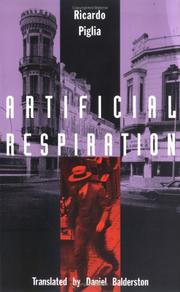 Ricardo Piglia · 1980Artificial RespirationLvl 8Slow burn
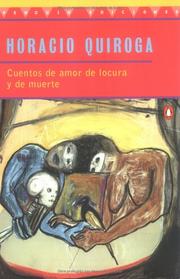 Horacio Quiroga · 1917Stories of Love, Madness, and DeathLvl 4Fast paced
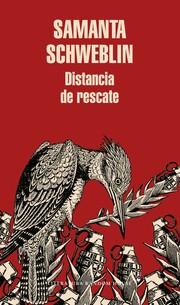 Samanta Schweblin · 2014Fever DreamLvl 6Fast paced